
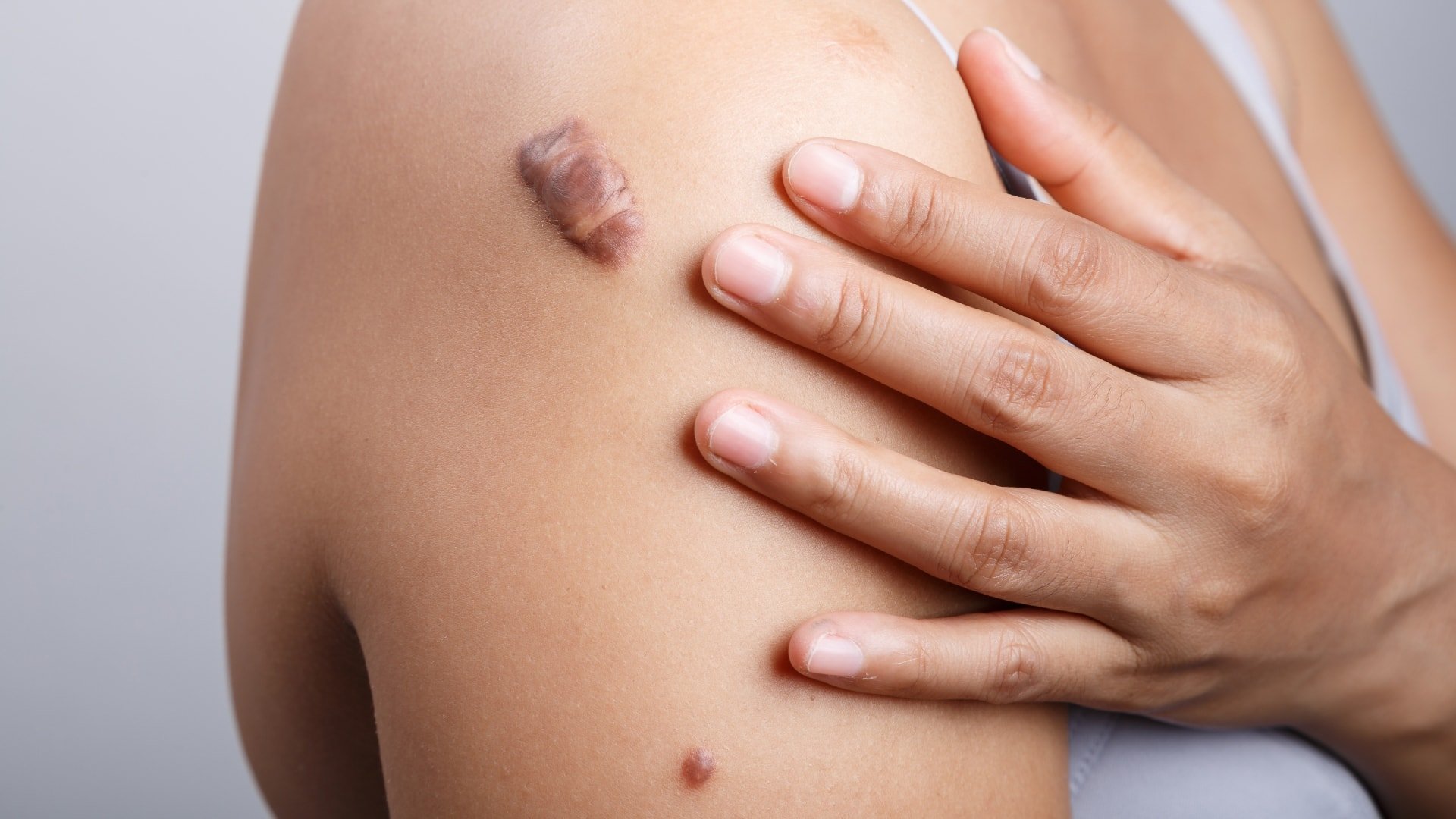
Keloids can be more than just a cosmetic concern; they often represent a physical reminder of a past injury that refuses to fade. For those seeking professional intervention, Keloid Treatment in Abu Dhabi offers a path toward flatter, softer, and less noticeable skin. Understanding the potential outcomes is essential for anyone looking to manage these persistent scars and regain confidence in their skin’s appearance.
Section Overview:
- Defining the nature of keloid scarring.
- Establishing realistic expectations for treatment outcomes.
- Highlighting the importance of specialized care in achieving smooth skin.
Understanding the Nature of Keloid Scars
A keloid is essentially an overgrowth of scar tissue that develops around a wound after it has healed. Unlike standard scars, keloids extend beyond the boundaries of the original injury. They are composed of a dense web of collagen that the body continues to produce even after the skin has repaired itself. Because of this aggressive growth pattern, achieving a complete “disappearance” of the scar is rarely the goal; instead, the focus is on significant reduction and symptom relief.
Section Overview:
- Explaining the biological makeup of keloid tissue.
- Differentiating between standard hypertrophic scars and keloids.
- Setting the stage for why specialized treatment is necessary for dense collagen structures.
The Primary Goal: Flattening and Softening
The most immediate and sought-after result of professional treatment is the reduction of the scar’s volume. Keloids are often raised, firm, and even rubbery to the touch. Effective intervention works to break down the excess collagen fibers, leading to a much flatter profile. As the height of the scar decreases, the texture also transitions from hard and rigid to soft and pliable, allowing the treated area to blend more naturally with the surrounding skin.
Section Overview:
- Focusing on the physical transformation of the scar’s height.
- Describing the change in tissue consistency from firm to soft.
- Discussing how flattening improves the overall contour of the skin.
Color Correction and Pigment Stabilization
Keloids are frequently characterized by intense coloration, ranging from bright red and pink to dark brown or purple. This hyperpigmentation occurs due to increased blood flow to the area or an overproduction of melanin. One of the key results of modern treatment methods is the gradual fading of these hues. Over a series of sessions, the vascularity within the scar diminishes, causing the angry red tones to subside into a shade that more closely matches the patient’s natural skin tone.
Section Overview:
- Addressing the aesthetic concern of scar discoloration.
- Explaining the process of reducing redness and dark pigment.
- Outlining the timeline for color stabilization.
Relief from Physical Discomfort
While the visual impact of a keloid is significant, the physical sensations can be equally distressing. Many individuals experience persistent itching, tenderness, or even sharp pains as the keloid grows and pulls on the surrounding healthy skin. A successful treatment cycle results in the “quieting” of these symptoms. By stabilizing the scar tissue and reducing inflammation, the constant urge to itch or the discomfort caused by friction against clothing is greatly minimized.
Section Overview:
- Identifying common physical symptoms like pruritus (itching) and sensitivity.
- Explaining how treatment reduces internal tension within the tissue.
- Emphasizing the improvement in daily comfort and quality of life.
Restoring Range of Motion
When keloids develop over joints—such as the shoulders, elbows, or knees—they can become physically restrictive. The thick, inelastic nature of the scar tissue can “tether” the skin, making it difficult to move the limb fully. One of the most functional results of treatment is the restoration of elasticity. As the scar softens and shrinks, the skin regains its ability to stretch, allowing for a better range of motion and removing the sensation of tightness during physical activity.
Section Overview:
- Discussing the impact of keloids on joint mobility.
- Highlighting the functional benefits of softening dense scar tissue.
- Explaining how increased skin elasticity aids in free movement.
Prevention of Future Growth
Keloids are notorious for their high recurrence rate. A major objective of professional treatment is not just to fix the current scar, but to “turn off” the overactive healing response that caused it in the first place. Advanced techniques aim to stabilize the cellular activity within the area. When successful, the result is a dormant scar that no longer seeks to expand, providing the patient with long-term peace of mind.
Section Overview:
- Addressing the challenge of keloid recurrence.
- Explaining the goal of cellular stabilization.
- Defining “success” as the cessation of scar expansion.
Improving Skin Texture and Uniformity
Beyond the height and color, the surface of a keloid is often irregular—sometimes shiny, sometimes pitted. Treatment helps to resurface the area, leading to a more uniform skin texture. While the skin may never perfectly mirror the untouched areas around it, the transition becomes much more subtle. This improvement in “micro-texture” is often what makes the difference between a scar that catches the light and one that remains inconspicuous.
Section Overview:
- Analyzing the surface characteristics of keloid tissue.
- Describing the smoothing effect of professional intervention.
- Discussing the visual transition between treated tissue and healthy skin.
Psychological Well-being and Confidence
The most profound result of keloid treatment is often psychological. Scars, especially in visible areas like the neck, face, or chest, can lead to self-consciousness and social anxiety. As the scar becomes flatter, lighter, and less symptomatic, patients often report a significant boost in self-esteem. The freedom to wear certain types of clothing or to engage in social situations without worrying about the scar’s visibility is a life-changing outcome.
Section Overview:
- Touching on the emotional burden of visible scarring.
- Connecting physical improvement to increased self-confidence.
- Highlighting the liberation from “scar-focused” clothing choices.
The Importance of a Tailored Approach
No two keloids are identical, and therefore, the results can vary based on the age of the scar, its location, and the individual’s skin type. A professional approach involves assessing these variables to determine the most effective path forward. Whether the scar is a small “button” keloid from a piercing or a large area resulting from surgery, the intervention is customized to ensure the best possible flattening and fading.
Section Overview:
- Recognizing that individual healing responses vary.
- Emphasizing the need for customized care plans.
- Understanding how scar age and location influence the final result.
Long-term Maintenance and Skin Health
Achieving great results is a journey, not a single event. Post-treatment care is vital to maintaining the flatness and softness achieved during the sessions. Patients who follow the recommended aftercare protocols often see more enduring results. This long-term perspective ensures that the skin remains healthy and that the scar remains in its improved state for years to come.
Section Overview:
- Stressing the role of the patient in maintaining results.
- Discussing the importance of protecting the treated area from irritation.
- Viewing keloid management as a long-term commitment to skin health.
Frequently Asked Questions
Will the keloid disappear completely after treatment?
While treatments significantly flatten and fade keloids, it is rare for them to disappear 100% without a trace. The goal is to make the scar as inconspicuous and comfortable as possible, turning a prominent growth into a flat, soft mark that blends with the skin.
How many sessions are usually required to see results?
Visible improvements usually begin after a few sessions, but the total number depends on the size and thickness of the keloid. A series of treatments is typically necessary to ensure the collagen is sufficiently broken down and the scar is stabilized.
Can a keloid grow back after it has been flattened?
Keloids have a biological tendency to recur, but professional treatments include strategies to minimize this risk. By calming the overactive cells within the scar, the likelihood of regrowth is significantly reduced compared to leaving the scar untreated or attempting at-home remedies.
Is treatment effective for old keloids?
Yes, treatment can be effective regardless of the scar’s age. While newer keloids might respond more quickly, older, more established scars can still be successfully softened and flattened with the right professional approach.
 johnmiller
  jame.smith
  EndrewJason