
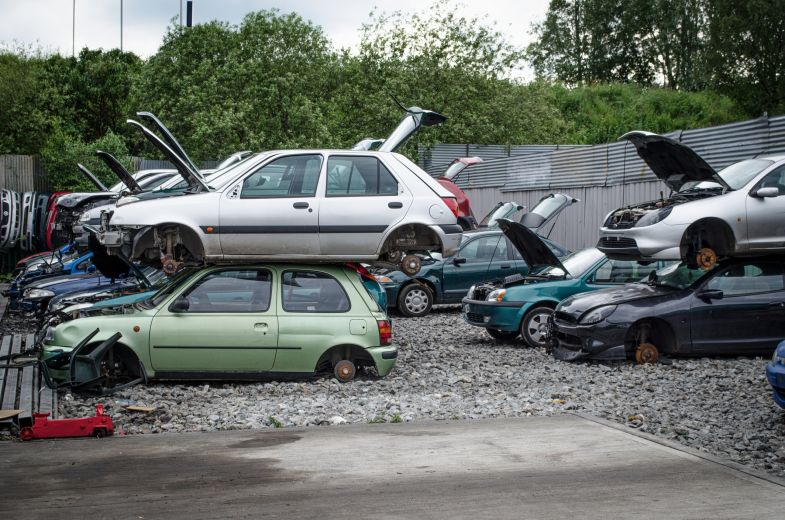
Every vehicle has a life cycle. It begins with manufacturing, moves through years of use on roads, and eventually reaches a stage where it can no longer serve daily transport. This final stage is called end of life for a vehicle. Many people assume a car at this point is only sent to waste, yet the process behind it involves several structured steps that recover materials, remove harmful substances, and give parts a second use.
Across Australia, thousands of vehicles reach this stage every year. Industry reports indicate that most of a vehicle can be recovered in some form, with steel making up the largest recovered material. This process reduces demand for new raw materials and limits environmental impact linked to mining and production.
Arrival at a Vehicle Recycling Facility
When a car is no longer fit for road use, it is transported to a recycling facility. These vehicles often arrive after accidents, mechanical failure, or age-related wear.
At the facility, each car is recorded. Details such as make, model, and condition are noted. This step helps determine what parts can still be used and what materials can be recovered later.
Removal of Fluids and Hazardous Substances
A major early stage is the removal of fluids. Vehicles contain several types of liquids that can harm soil and water if released.
These include:
- Engine oil
- Transmission fluid
- Brake fluid
- Coolant
- Fuel
Each fluid is drained using controlled equipment and stored in sealed containers. Some of these fluids are processed for reuse or safe disposal through regulated methods.
Air conditioning systems are also handled carefully because they may contain gases that must not be released into the atmosphere.
Dismantling and Parts Recovery
After fluid removal, the vehicle is dismantled. Workers remove parts that still function or can be restored.
Common parts recovered include:
- Engines
- Gearboxes
- Alternators
- Doors and panels
- Seats
- Mirrors
- Wheels
These parts may be cleaned, tested, and stored for resale. In Australia, reused vehicle parts help reduce demand for newly manufactured components. Steel and aluminium parts are particularly common in reuse markets due to their durability.
Role of Catalytic Converters and Metals
One important component in modern vehicles is the catalytic converter. It contains small amounts of precious metals such as platinum, palladium, and rhodium. These metals assist in reducing harmful emissions from exhaust gases.
During dismantling, catalytic converters are removed and sent to specialised processing centres. The metals inside are extracted and reused in new industrial applications, including manufacturing of new converters.
For more details about car removal services on the Gold Coast, visit https://www.metalbiz.com.au/car-removal-gold-coast/
Crushing and Shredding Process
Once reusable parts are removed, the remaining vehicle shell is prepared for size reduction. The body is often flattened and sent to a shredder.
The shredder breaks the vehicle into smaller pieces. This mixture contains different materials such as:
- Steel
- Aluminium
- Copper wiring
- Plastics
- Glass
After shredding, strong magnets separate steel from other materials. Steel is the most recovered material in this stage. It is then sent to steel mills for melting and reuse in construction, appliances, and new vehicles.
Metal Separation and Recovery
Non-ferrous metals such as aluminium and copper are separated using additional sorting systems. These metals have high reuse demand due to their properties.
For example:
- Aluminium is used in transport equipment and packaging
- Copper is widely used in electrical wiring and systems
Studies in the recycling sector show that a large portion of vehicle weight, often above 80 percent, can be recovered through metal recycling processes. This makes end-of-life vehicles a valuable source of raw material.
Auto Shredder Residue Handling
After metals are removed, a leftover material remains. This is called auto shredder residue. It includes foam, plastics, rubber, and small fragments of glass and metal.
This residue is processed further. Some parts are sent for energy recovery or used in specialised landfill systems designed to limit environmental impact. Research continues into improving how this residue can be reused in construction materials and industrial applications.
Environmental Facts About Vehicle Recycling
Vehicle recycling plays a major role in resource recovery in Australia. Some key facts include:
- Steel from vehicles is one of the most recycled materials in the world
- Recycling steel uses significantly less energy compared to producing new steel from iron ore
- Many vehicle parts are reused directly without reprocessing
- Proper fluid removal prevents soil and water contamination
- Recycling reduces pressure on mining operations for raw materials
These processes support reduced waste accumulation and better material use across industries.
Role of Vehicle Recycling Industry in Australia
Australia has a structured vehicle recycling system supported by collection yards, dismantling centres, and metal processing facilities. Vehicles that are no longer registered or repairable are directed into this system.
The industry supports:
- Material recovery for manufacturing
- Safe handling of vehicle fluids
- Redistribution of usable parts
- Reduction of landfill waste
This network helps manage large volumes of end-of-life vehicles across cities and regional areas.
Cash for Vehicles Service in Caboolture Area
In regions such as Caboolture, end-of-life vehicles are often collected through specialised services that handle vehicle removal and recycling coordination. One such service provided by Metal Biz Recyclers involves cash for cars caboolture area, where unwanted vehicles are collected and directed into the recycling chain.
This type of service plays a role in moving vehicles from private ownership into formal recycling systems. It supports proper dismantling, removal of fluids, and recovery of reusable materials, ensuring that vehicles are processed through regulated recycling pathways rather than being left unused or abandoned.
Conclusion
A vehicle that leaves the road does not simply become waste. It enters a structured process that involves dismantling, fluid removal, parts recovery, metal separation, and material reuse. Each stage is designed to recover as much material as possible while handling hazardous substances in a controlled way.
From reusable engines and gearboxes to recycled steel and aluminium, many components return to industrial use. This system supports material recovery across Australia and reduces the need for raw material extraction.
 nadiwa
 anshuraj