
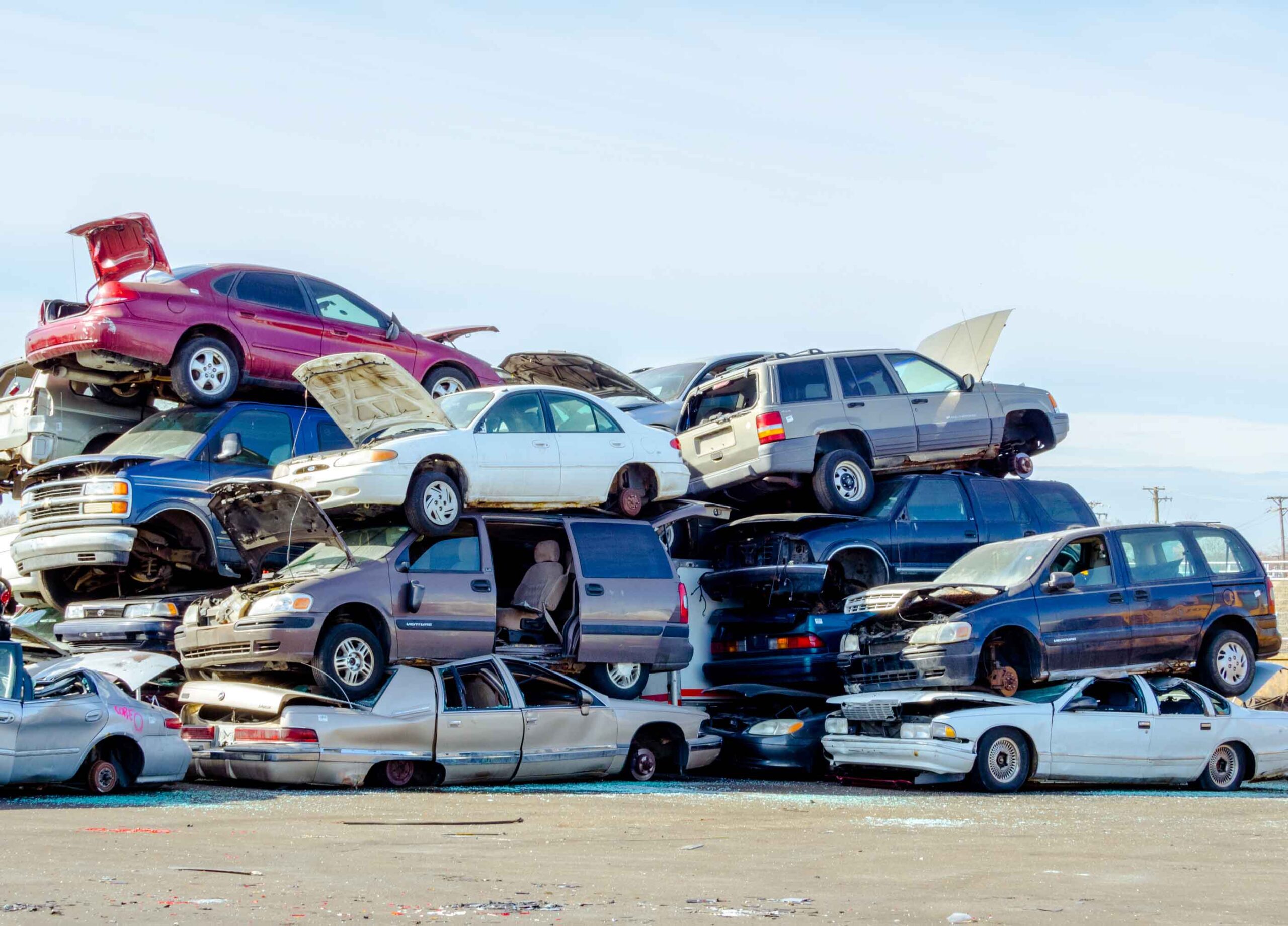
Waste is a growing problem in many parts of the world. Landfills are filling up at a fast rate. Many of the items that end up in these sites contain harmful materials. These materials can damage soil, water, and air over time. Scrap yards play a key role in dealing with this issue. They help manage waste in a way that reduces harm to the environment.
This article explains how scrap yards work, what they do with waste, and why they are important for a cleaner future.
What Is a Scrap Yard
A scrap yard is a place where old or damaged items are collected, sorted, and processed. These items often include cars, metal parts, appliances, and other large goods. Instead of sending these materials to landfills, scrap yards recover useful parts and recycle raw materials.
Scrap yards act as a bridge between waste and reuse. They turn items that seem useless into something that can be used again.
The Problem With Landfills
Landfills are not just piles of rubbish. They are complex sites where waste breaks down over many years. Some materials take decades or even centuries to decompose. During this time, harmful substances can leak into the ground.
For example:
- Old cars contain oil, coolant, and battery acid
- Electronics contain heavy metals like lead and mercury
- Plastics release toxic chemicals when they break down
When these materials enter landfills, they can pollute nearby land and water sources. This creates long-term damage for both people and wildlife.
For more details, visit https://www.bestcashforcarz.com.au/cash-for-cars-st-albans/
How Scrap Yards Reduce Waste
Scrap yards reduce the amount of waste sent to landfills in several ways.
1. Material Recovery
One of the main tasks of a scrap yard is to recover materials. Metals like steel, aluminium, and copper can be reused many times. Scrap yards separate these materials and send them to recycling plants.
Recycling metal uses far less energy than producing new metal from raw ore. This also reduces mining activity, which helps protect natural landscapes.
2. Safe Removal of Hazardous Parts
Many items contain harmful substances. Scrap yards remove these parts before processing the rest of the item.
For example, when a car arrives at a scrap yard:
- Fluids like oil and fuel are drained
- Batteries are removed
- Tyres are taken off
- Air conditioning gases are collected
These steps prevent harmful chemicals from leaking into the environment.
3. Reuse of Working Parts
Not every part of a damaged item is useless. Scrap yards inspect items and remove parts that still work. These parts can be sold and used again.
This reduces the need to produce new parts, which saves energy and raw materials.
4. Reduction of Bulk Waste
Large items take up a lot of space in landfills. Scrap yards break down these items into smaller parts. Metals are crushed or shredded, which makes storage and transport more efficient.
This process helps reduce the overall volume of waste.
Environmental Impact
Scrap yards have a strong impact on environmental protection.
Lower Pollution Levels
By removing harmful materials before recycling, scrap yards prevent toxic leaks. This protects soil and water from contamination.
Reduced Greenhouse Gas Emissions
Recycling materials uses less energy compared to making new products. Lower energy use leads to fewer emissions. This helps slow down climate change.
Conservation of Natural Resources
When scrap yards recycle materials, there is less need to extract new resources. Mining and drilling can damage ecosystems. Recycling helps reduce this damage.
Economic Role of Scrap Yards
Scrap yards do not only help the environment. They also support the economy.
Job Creation
Scrap yards provide jobs in sorting, processing, transport, and sales. These jobs support local communities.
Supply of Raw Materials
Recycled materials are used in many industries. Construction, manufacturing, and transport sectors all rely on recycled metals. Scrap yards help keep this supply steady.
Cost Control in Production
Using recycled materials often costs less than using new raw materials. This helps businesses manage expenses and keep production running.
The Role of Scrap Yards in Car Recycling
Old vehicles are one of the largest sources of scrap material. Each car contains a mix of metal, plastic, glass, and fluids.
Scrap yards follow a clear process when handling vehicles:
- Inspection of the vehicle
- Removal of hazardous fluids
- Extraction of usable parts
- Crushing of the metal frame
- Transport to recycling facilities
This process ensures that almost every part of the car is either reused or recycled.
A large portion of a vehicle, often more than 80 percent, can be recovered. This makes car recycling one of the most effective forms of waste management.
A Practical Link to Car Removal Services
Many people keep old cars sitting in garages or yards. These vehicles often leak fluids over time and become a source of pollution. Using a removal service can help solve this problem.
Services like cash for unwanted cars melbourne provide a direct way to move old vehicles into the recycling system. One such provider, Best Cash For Carz, collects unwanted cars and sends them to proper scrap processing centres. This ensures that harmful materials are handled with care and useful parts are recovered. By doing this, these services support the role of scrap yards and help reduce landfill waste in a real and practical way.
Challenges Faced by Scrap Yards
Scrap yards play an important role, but they also face challenges.
Handling Complex Materials
Modern products contain mixed materials that are hard to separate. This makes recycling more difficult and time consuming.
Safety Risks
Workers deal with heavy machinery and sharp objects. Proper training and safety measures are needed to prevent injuries.
Market Changes
The value of scrap materials can change often. This affects the income of scrap yards and can impact operations.
Public Awareness
Some people are not aware of the role scrap yards play. As a result, items that could be recycled still end up in landfills.
How Individuals Can Support Scrap Yards
Everyone can play a part in reducing waste.
Proper Disposal
Do not throw large or harmful items in regular rubbish. Take them to a scrap yard or recycling centre.
Vehicle Recycling
If a car is no longer in use, send it to a scrap yard instead of leaving it unused.
Sorting Waste at Home
Separate metal, plastic, and electronic waste. This makes recycling more efficient.
Spreading Awareness
Share knowledge about the role of scrap yards with others. This helps more people make better choices.
Future of Scrap Yards
Scrap yards are changing with new technology.
- Machines can now sort materials more accurately
- Data systems track waste and improve efficiency
- New methods are being developed to recycle complex products
These changes will make scrap yards more effective in the future.
Governments are also setting rules to improve waste management. These rules support recycling and reduce landfill use.
Conclusion
Scrap yards play a key role in managing waste. They reduce the amount of harmful material that ends up in landfills. By recovering materials, removing dangerous substances, and supporting recycling, they protect the environment in many ways.
They also support the economy by creating jobs and supplying materials for industries. Their role in car recycling is especially important, as vehicles contain many reusable parts and materials.
The work of scrap yards helps create a cleaner and safer environment. With better awareness and support, their impact can grow even more in the years ahead.
 nadiwa