
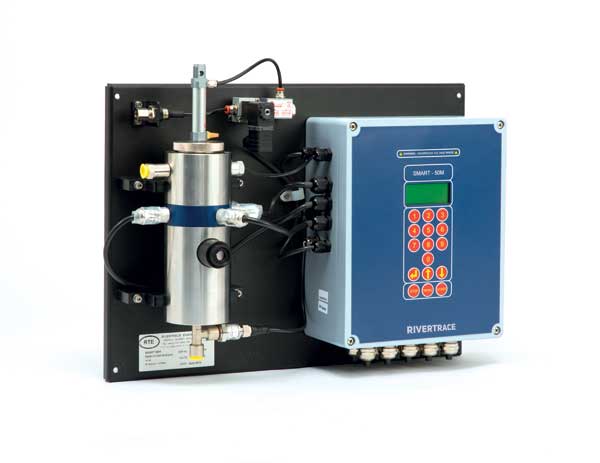
Water pollution is one of the most pressing environmental challenges faced by industries and marine operations today. Among the various pollutants, oil contamination in water poses serious risks to ecosystems, human health, and regulatory compliance. To address this issue effectively, modern industries rely on advanced technologies such as oil in water detectors.
An oil in water detector is a specialized device designed to measure and monitor the concentration of oil present in water. These systems are essential in ensuring that discharged water meets environmental standards and does not harm aquatic life. From ships navigating oceans to industrial plants managing wastewater, these detectors play a crucial role in maintaining environmental integrity.
Understanding Oil Contamination in Water
Oil can enter water systems through various sources, including industrial discharge, accidental spills, and operational processes in marine environments. Even small quantities of oil can spread rapidly across water surfaces, forming thin films that block oxygen exchange and harm marine organisms.
Common sources of oil contamination include:
- Bilge water discharge from ships
- Industrial wastewater from manufacturing plants
- Oil spills during transportation or storage
- Runoff from urban and industrial areas
The presence of oil in water can lead to:
- Damage to marine ecosystems
- Contamination of drinking water sources
- Legal penalties for non-compliance
- Increased operational and cleanup costs
Because of these risks, monitoring oil levels in water is not just a regulatory requirement but also a moral responsibility.
What is an Oil in Water Detector?
An oil in water detector is an electronic monitoring device that continuously measures the concentration of oil in water. It is commonly used in conjunction with separation systems, such as oily water separators, to ensure that discharged water contains oil levels within permissible limits.
These detectors are widely used in:
- Marine vessels
- Offshore platforms
- Industrial wastewater treatment plants
- Power generation facilities
Most modern detectors are capable of providing real-time data, enabling operators to take immediate action if oil levels exceed acceptable thresholds.
Key Features of Oil in Water Detectors
1. Continuous Monitoring
Oil in water detectors operate in real time, providing constant updates on oil concentration levels. This ensures that any contamination is detected instantly.
2. High Sensitivity and Accuracy
Advanced sensors can detect even trace amounts of oil, ensuring precise measurements and reliable performance.
3. Automatic Alarm System
When oil levels exceed predefined limits, the system triggers alarms or shuts down discharge processes to prevent pollution.
4. Data Logging and Reporting
Many detectors store historical data, allowing operators to analyze trends and maintain compliance records.
5. Easy Integration
Modern systems can be integrated with existing control panels and automation systems for seamless operation.
How Oil in Water Detectors Work
Oil in water detectors typically use optical or infrared sensing technology to measure oil concentration. The process involves analyzing how light interacts with oil particles in water.
Here’s how it generally works:
- Water passes through a measuring chamber
- A light source emits beams into the sample
- Oil particles scatter or absorb light differently than water
- Sensors detect these changes and calculate oil concentration
- The system displays the results and triggers alarms if necessary
This method ensures accurate and consistent monitoring, even in challenging conditions.
Importance of Oil in Water Detectors in Marine Applications
In the marine industry, oil in water detectors are critical for complying with international environmental regulations. Ships generate oily bilge water during normal operations, which must be treated before discharge.
Regulatory frameworks require that oil content in discharged water remains below specific limits (commonly 15 parts per million). Oil in water detectors ensure compliance by:
- Monitoring discharge levels in real time
- Automatically stopping discharge if limits are exceeded
- Providing data logs for inspections
Without these systems, vessels risk heavy fines, legal action, and environmental damage.
Industrial Applications of Oil in Water Detectors
Beyond marine use, oil in water detectors are essential in various industrial sectors.
Manufacturing Plants
Factories often produce wastewater containing oil residues. Detectors ensure that treated water meets environmental standards before release.
Oil and Gas Industry
Exploration and refining processes generate oily wastewater. Monitoring systems help maintain compliance and prevent environmental hazards.
Power Plants
Cooling and lubrication systems may introduce oil into water streams. Detectors help maintain clean discharge and efficient operations.
Benefits of Using Oil in Water Detectors
Environmental Protection
By preventing oil contamination, these detectors help protect aquatic ecosystems and biodiversity.
Regulatory Compliance
Industries can meet strict environmental regulations and avoid penalties.
Cost Savings
Early detection of contamination reduces cleanup costs and prevents damage to equipment.
Operational Efficiency
Real-time monitoring allows for quick decision-making and improved system performance.
Reputation Management
Organizations that prioritize environmental responsibility build trust with stakeholders and customers.
Choosing the Right Oil in Water Detector
Selecting the right detector depends on several factors:
- Application Type: Marine, industrial, or offshore
- Measurement Range: Required sensitivity and accuracy
- Environmental Conditions: Temperature, pressure, and water quality
- Compliance Standards: Regulatory requirements in your region
- Maintenance Needs: Ease of calibration and servicing
Investing in a high-quality system ensures long-term reliability and performance.
Maintenance and Calibration
Regular maintenance is essential for ensuring accurate readings and long-term functionality. Best practices include:
- Routine cleaning of sensors and measuring chambers
- Periodic calibration using standard solutions
- Inspection of system components for wear and damage
- Updating software and firmware when required
Proper maintenance not only improves accuracy but also extends the lifespan of the equipment.
Challenges in Oil Detection
While modern detectors are highly advanced, certain challenges remain:
- Presence of emulsified oil can affect accuracy
- Variations in water composition may influence readings
- Harsh environmental conditions can impact sensor performance
However, ongoing technological advancements continue to address these challenges, making detectors more reliable and efficient.
Future Trends in Oil in Water Detection Technology
The future of oil in water detection is shaped by innovation and digital transformation. Emerging trends include:
- Smart Sensors: Enhanced sensitivity and durability
- IoT Integration: Remote monitoring and control
- AI-Based Analytics: Predictive maintenance and anomaly detection
- Cloud Connectivity: Real-time data access from anywhere
These advancements will further improve monitoring capabilities and environmental protection.
Conclusion
Oil in water detectors are indispensable tools for modern industries and marine operations, and leading solutions from Rivertrace have set a high standard in this field. They play a vital role in preventing pollution, ensuring compliance, and protecting natural resources. With their ability to provide accurate, real-time data, these systems empower organizations to take proactive measures and maintain sustainable operations.
 Freya Parker
  brandon324
  charlieleo