
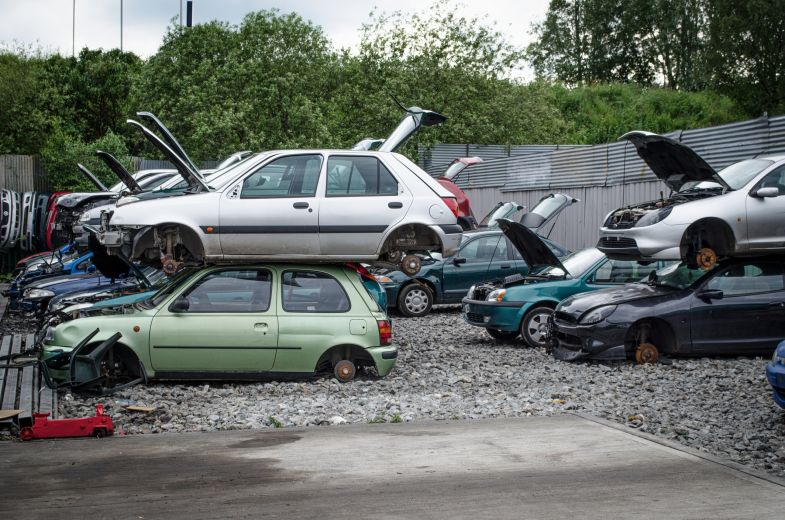
Buying a car is a major expense for many Australians. A vehicle may look great on the first day, but its value starts dropping from the moment it leaves the dealership. This process is called depreciation. Many car owners in Sydney notice this when they try to sell an older vehicle years later.
Car value does not drop for one single reason. Age, condition, mileage, market demand, accident history, and running costs all play a part. Some vehicles lose value slowly, while others drop in price much earlier. Understanding these factors helps owners make better choices when it is time to sell or replace a car.
Many people also keep old vehicles longer because they still run well. While this may save money at first, older cars can later become harder to maintain. Repairs, fuel use, and worn parts often increase over time. This is why many owners eventually decide to move on from their unwanted vehicles.
If you are planning to sell an ageing vehicle in Sydney, it helps to know what buyers usually look for and what lowers resale prices. You can also learn more about local vehicle removal options and market trends through https://www.sydneycarremoval.com.au/
What Causes Car Depreciation?
Depreciation means a vehicle loses market value as time passes. Cars are not like property or land. Most vehicles become less valuable every year because they wear down with use.
A new car can lose a large part of its value within the first few years. Industry reports in Australia often show that some vehicles lose around 15 to 25 per cent of their value during the first year alone. The drop may continue as the car gets older.
Several things cause this decline:
- Age of the vehicle
- Kilometres travelled
- Mechanical condition
- Service history
- Exterior and interior wear
- Fuel economy
- Changes in market demand
- Availability of spare parts
Even if a car still works well, buyers may pay less because newer models offer updated safety systems and lower fuel use.
Mileage Plays a Big Role
Mileage is one of the first things buyers check when looking at a used car. A vehicle with high kilometres often sells for less because people expect more wear on the engine and other parts.
Cars used for long daily drives usually collect kilometres very quickly. This can shorten the life of key components such as:
- Suspension parts
- Brakes
- Transmission systems
- Tyres
- Cooling systems
Australian drivers often travel long distances, especially in outer suburbs and regional areas. Because of this, many vehicles reach high mileage earlier than expected.
A ten-year-old car with low kilometres may still hold reasonable value compared to another vehicle of the same age with very heavy use.
Accidents and Damage Lower Resale Value
Accident history can reduce a vehicle’s price even after repairs are completed. Buyers may worry about hidden structural damage or future repair costs.
Common problems that lower resale value include:
- Major collision damage
- Flood damage
- Rust
- Paint fading
- Broken electronics
- Engine problems
Sydney weather can also affect vehicles over time. Strong sun exposure may damage paint and interiors, while moisture can lead to rust in older cars.
A clean repair history and regular servicing records often help owners receive better offers when selling a used vehicle.
Older Cars Often Cost More to Run
Many ageing vehicles become expensive to maintain. Parts wear out naturally after years of use. Owners may face ongoing costs for repairs, servicing, registration, and fuel.
Older engines usually use more fuel than modern models. Newer cars are built with updated fuel-saving technology, which attracts more buyers in the second-hand market.
Insurance costs can also become difficult for certain older vehicles. Some insurers may charge higher premiums if replacement parts are harder to source.
This combination of costs often pushes owners to sell vehicles that no longer fit their budget or lifestyle.
Market Demand Changes Over Time
Car trends change regularly in Australia. Vehicles that were popular years ago may not attract the same interest today.
For example:
- Small fuel-efficient cars gained popularity during periods of high fuel prices
- SUVs became more common among families
- Electric and hybrid vehicles continue growing in demand
- Older diesel vehicles may face lower demand in some areas
When demand drops, resale prices often fall as well. Owners of outdated models may struggle to find private buyers willing to pay reasonable amounts.
This situation becomes more common with cars that are no longer being manufactured or supported with spare parts.
Technology Has Changed Buyer Expectations
Modern vehicles now include many features that older cars do not have. Buyers often compare older models with newer vehicles before making a purchase.
Features now expected by many drivers include:
- Reverse cameras
- Touchscreen systems
- Bluetooth connectivity
- Parking sensors
- Lane assist technology
- Improved fuel efficiency
- Advanced safety systems
A vehicle built fifteen or twenty years ago may still run properly, but buyers may not want to pay much for outdated technology.
Safety ratings also influence resale value. Cars with lower safety standards usually lose demand faster in the used market.
Regular Maintenance Still Matters
While all cars lose value eventually, proper maintenance can slow the decline. Vehicles with strong service records usually attract more attention from buyers.
Important maintenance habits include:
- Regular oil changes
- Brake inspections
- Tyre replacements
- Cooling system checks
- Battery maintenance
- Scheduled servicing
Keeping service receipts and logbooks also helps prove the vehicle has been looked after properly.
Clean interiors and tidy paintwork can improve buyer interest as well. Small details often shape first impressions during inspections.
When Keeping an Old Car No Longer Makes Sense
Many Australians keep older vehicles because they want to avoid buying another car. This may work for a while, but there comes a point when repair costs become difficult to justify.
Some signs include:
- Frequent breakdowns
- Expensive engine repairs
- Transmission failure
- Rust problems
- Registration costs becoming too high
- Poor fuel economy
At this stage, owners often look for removal or recycling services instead of private sales.
This is where companies such as Sydney Car Removal become useful for local vehicle owners. Many people dealing with damaged, scrap, or unwanted vehicles choose services connected with Cash for Cars Sydney because older cars can become difficult to sell through private listings. Vehicle removal businesses may collect cars directly from homes and clear unwanted vehicles that no longer serve daily transport needs.
Environmental Concerns Around Old Vehicles
Older cars can produce more emissions compared to modern vehicles. Engines built many years ago often lack the cleaner technology found in newer models.
Australian environmental discussions have also increased interest in fuel-efficient vehicles and hybrid technology. This shift affects demand for older petrol and diesel cars.
Vehicle recycling also plays a role. Many unwanted cars are dismantled so usable parts can be reused while metal materials are recycled instead of sent to landfill.
This process helps reduce waste and supports the reuse of automotive materials.
Final Thoughts
All vehicles lose value over time. Some decline slowly, while others drop much faster depending on age, condition, mileage, and market demand. Understanding depreciation helps Sydney car owners make informed choices about keeping, repairing, or selling older vehicles.
Regular maintenance can help protect resale value, but ageing cars eventually become less practical for many drivers. Repair costs, fuel use, and changing buyer expectations all influence what a vehicle is worth in today’s market.

 GrandEuropeanClinic
  marshakaplan766