

Travel days can get messy in ways people rarely expect. You step off a plane. Open your maps app. Try to book a ride. Then nothing loads. A weak internet connection can create problems within minutes especially in a place you have never visited before. That is one reason many travelers now choose an eSIM instead of buying a local SIM card after arrival. The process feels much simpler. You purchase a plan. Activate it on your phone. Then connect to a network without visiting a shop. Still. Not every option offers the same value. Before spending money on an international esim you should understand a few key things. A quick decision may leave you with poor coverage limited data or compatibility issues that could have been avoided with a little research.
What Exactly Is an eSIM and Why Do People Use It?
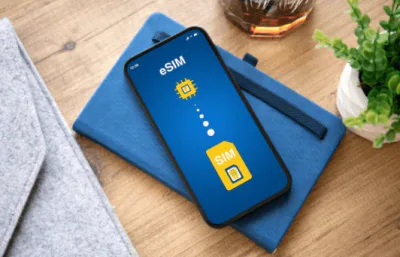
An eSIM works like a regular SIM card but without the physical plastic chip. The technology sits inside the phone itself. Users download a mobile plan directly onto the device through a QR code or activation process provided by the carrier. Many travelers prefer this setup because it removes the need to switch tiny SIM cards whenever they enter a new country. Someone visiting several destinations during one trip can stay connected with much less hassle. The convenience factor alone has pushed eSIM adoption upward in recent years. For frequent flyers business travelers and digital nomads it often feels like a practical solution rather than a luxury.
Is Your Phone Ready for eSIM Technology?
A surprising number of buyers skip this step. They purchase a plan first and check compatibility later. That approach can create unnecessary trouble. Not every smartphone supports eSIM functionality. Many recent devices include it but older models often do not. Carrier restrictions can also play a role. Some network providers lock devices which may prevent access to third party services. Before buying any plan open your phone settings and verify that eSIM support exists. You should also confirm that your device remains unlocked. A few minutes spent checking compatibility can save hours of frustration during a trip.
How Much Data Will You Actually Need?
People often misjudge their data habits. Some travelers rely on hotel Wi Fi for most activities and only use mobile data for maps messages and ride sharing apps. Others spend hours on video calls upload content to social platforms and stream entertainment while moving between locations. Your usage pattern should guide your decision. Buying a huge package when you barely use data wastes money. Choosing a small package when you depend on constant connectivity creates another problem. Take a look at your average monthly usage before selecting a plan. That simple step gives a much clearer picture of what you actually need.
Does Network Coverage Matter More Than Price?
Many travelers focus on price first. Coverage deserves equal attention. A low cost package offers little value if the network struggles in the places you plan to visit. Imagine standing outside a train station searching for directions while your phone fights to find a signal. That situation turns a cheap deal into an expensive mistake. Coverage maps and user reviews can provide useful insight before purchase. Some plans focus on one country while others include regional or global access. Always check whether your destinations appear on the coverage list. Strong connectivity often proves more valuable than saving a few extra dollars.
Should You Pay Attention to Data Speeds?
Absolutely. Not all plans deliver the same experience. Some providers offer full speed access throughout the package while others reduce speeds after users reach a certain limit. The difference becomes obvious when loading websites attending online meetings or watching videos. Many people discover these restrictions only after activation because they skipped the fine print. Reading plan details may not sound exciting but it can reveal important information about speed limits usage policies and network performance. A few extra minutes of reading can prevent disappointment later.
Are There Hidden Costs You Should Watch For?
The advertised price does not always tell the full story. Some providers add taxes activation fees or charges for extending service. Others require users to purchase another package once the included data runs out. Those extra costs can increase the total amount you spend during a trip. Before completing a purchase review all pricing details carefully. Transparent providers usually explain charges clearly and avoid surprises. If something seems vague or difficult to understand it may be worth looking at another option.
How Easy Is the Activation Process?
Most modern eSIM providers keep activation fairly straightforward but the exact process can vary. Some plans activate before travel while others start only after you arrive at your destination. Certain providers require users to complete setup within a specific timeframe. Because of these differences it helps to read the instructions before departure rather than at the airport. Save your QR code. Keep activation details somewhere accessible. If your email becomes difficult to access while traveling you will still have everything you need to complete setup without stress.
Why Is Customer Support Worth Considering?
Technology does not always cooperate. Even the best plans can encounter occasional issues. When that happens reliable customer support becomes important. Imagine arriving late at night in an unfamiliar city only to discover that your data connection refuses to work. Quick assistance can make a major difference. Look for providers that offer support through multiple channels such as live chat email or help centers. Customer reviews often reveal whether a company responds promptly or leaves users waiting. Strong support adds an extra layer of confidence especially during international travel.
Should You Compare Different Providers Before Buying?
Many travelers purchase the first plan they find because it appears convenient. A little comparison shopping usually pays off. Different providers offer different coverage areas data allowances validity periods and pricing structures. One option may work perfectly for a short vacation while another may suit a month long business trip. Looking at several providers side by side helps you spot strengths and weaknesses that may not appear at first glance. The cheapest plan is not always the smartest choice. Value comes from balancing price performance coverage and support.
Final Thoughts
Choosing an international esim should not feel complicated but it should involve a bit of planning. Compatibility coverage data limits pricing and customer service all influence the overall experience. Travelers who spend a few minutes reviewing these factors often enjoy smoother connectivity and fewer surprises on the road. A well chosen plan keeps maps working messages flowing and travel arrangements within reach whenever needed. Whether your trip lasts a weekend or several months the right international esim can make staying connected feel effortless rather than stressful.
FAQs
Can I use an eSIM and a physical SIM together?
Yes. Many modern smartphones support dual SIM functionality which allows users to keep a physical SIM active while using an eSIM.
Do all phones support eSIM technology?
No. Some older devices do not include eSIM capability. Always check compatibility before purchasing a plan.
Can I install multiple eSIM profiles on one device?
Many smartphones allow users to store several eSIM profiles and switch between them when needed.
What happens if my data package runs out?
Most providers offer top up options or additional packages that can be purchased during travel.
Is an international esim suitable for short trips?
Yes. Many travelers choose it for short vacations because activation usually takes only a few minutes and eliminates the need for a physical SIM card.
 Lavishcars
  brandinginnovations
  kevinmartiz