
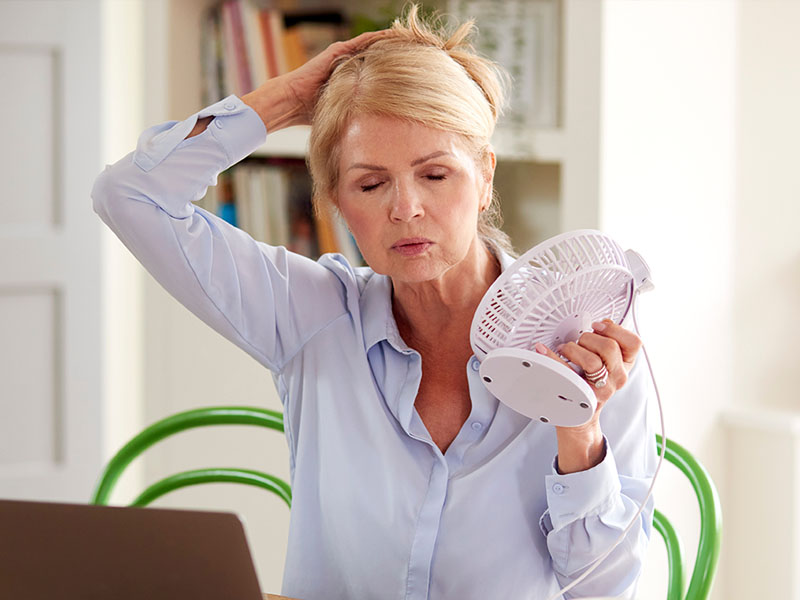
Menopause is a natural stage in a woman’s life, but it often comes with changes that can feel unexpected or confusing. It marks the end of monthly periods and is confirmed when a woman has gone 12 months without menstruation. While this is a normal biological process, the symptoms that come with it can affect daily routines, emotions, and overall well-being. Understanding these symptoms in everyday life helps women manage them with more confidence and comfort.
What Happens During Menopause?
Menopause is officially diagnosed when a woman has not had a menstrual period for 12 consecutive months, which is often associated with Menopause Symptoms becoming more noticeable during this transition. It happens because the ovaries gradually produce less estrogen and progesterone, the hormones that regulate the menstrual cycle.
This transition does not happen overnight. Many women go through a stage called perimenopause, where symptoms slowly begin before periods fully stop.
Common Menopause Symptoms in Daily Life
Menopause symptoms can appear in different ways and affect daily activities. Some women experience mild changes, while others may notice more intense effects.
Hot Flashes in Routine Activities
Hot flashes are one of the most common symptoms. They can happen at any time—while working, cooking, or even during a conversation. A sudden wave of heat may spread through the body, often followed by sweating and discomfort. These episodes can be unpredictable and may interfere with daily comfort.
Sleep Disturbances at Night
Many women find it difficult to get restful sleep during menopause. Night sweats, which are hot flashes that occur during sleep, can cause frequent waking. This can lead to tiredness during the day, making it harder to focus or stay productive.
Mood Changes During the Day
Hormonal shifts can affect mood. Some women feel more emotional, irritable, or sensitive than usual. These mood changes may come and go without warning, sometimes making everyday interactions feel more challenging.
Fatigue and Low Energy
Feeling tired even after rest is another common experience. Lower hormone levels and poor sleep quality can reduce energy levels, making daily tasks feel more exhausting than before.
Physical Changes in Everyday Life
Many women experience difficulty falling asleep or staying asleep. Night sweats and hormonal changes, as noted in Xendo Health, can make restful sleep harder to achieve.
Changes in Weight and Metabolism
Many women notice gradual weight gain, especially around the stomach area. This is often linked to a slower metabolism during menopause. Even without changes in diet, the body may store fat differently than before.
Skin and Hair Changes
Skin may become drier and less elastic, while hair can become thinner or more brittle. These changes are gradual but can affect self-confidence and appearance over time.
Vaginal Dryness and Comfort
Lower estrogen levels can cause vaginal dryness, which may lead to discomfort during daily activities or intimacy. This is a common but often unspoken symptom.
Emotional and Mental Impact
Menopause does not only affect the body—it also influences emotional and mental well-being.
Difficulty Concentrating
Some women notice trouble focusing or remembering small details. This “brain fog” can make work or household tasks feel more challenging.
Anxiety and Stress
Hormonal changes can increase feelings of anxiety or stress. Even small situations may feel overwhelming at times.
Changes in Confidence
Because menopause affects both physical and emotional health, some women may feel less confident in their daily lives. Understanding that these changes are normal can help reduce worry.
How Menopause Affects Everyday Routine
Menopause symptoms can influence many parts of daily life, including work, home responsibilities, and social activities.
For example:
- Hot flashes may interrupt meetings or conversations
- Poor sleep can reduce productivity during the day
- Mood changes may affect relationships with family and friends
- Fatigue can make physical tasks more tiring
Recognizing these patterns helps women adjust their routines and find better ways to cope.
Managing Menopause Symptoms in Daily Life
While menopause cannot be avoided, its symptoms can be managed with simple lifestyle changes.
Healthy Eating Habits
A balanced diet with fruits, vegetables, whole grains, and lean protein can support overall health. Foods rich in calcium and vitamin D help maintain bone strength.
Regular Physical Activity
Exercise helps improve mood, support weight management, and boost energy levels. Even light activities like walking or stretching can be beneficial.
Staying Cool and Comfortable
Dressing in light layers and keeping cool environments can help manage hot flashes more easily.
Improving Sleep Habits
Creating a calm bedtime routine, avoiding caffeine in the evening, and reducing screen time before bed can improve sleep quality.
Stress Management Techniques
Relaxation techniques such as deep breathing, meditation, or spending time in nature can help reduce emotional stress.
When to Seek Medical Advice
While menopause is a natural process, some symptoms may require medical attention. It is important to speak with a healthcare professional if:
- Symptoms become very intense or disruptive
- Sleep problems continue for long periods
- Mood changes affect daily life significantly
- There is unusual or heavy bleeding
A doctor can provide guidance, treatment options, or lifestyle recommendations based on individual needs.
Final Thoughts
Understanding menopause symptoms in everyday life makes this natural transition easier to manage. While the changes can feel challenging, they are a normal part of aging and affect every woman differently.
By recognizing symptoms early and making simple lifestyle adjustments, women can continue to live active, balanced, and fulfilling lives. With the right knowledge and support, menopause becomes not just a change, but a manageable and natural phase of life.

 rituivf
  alypackagingUK