
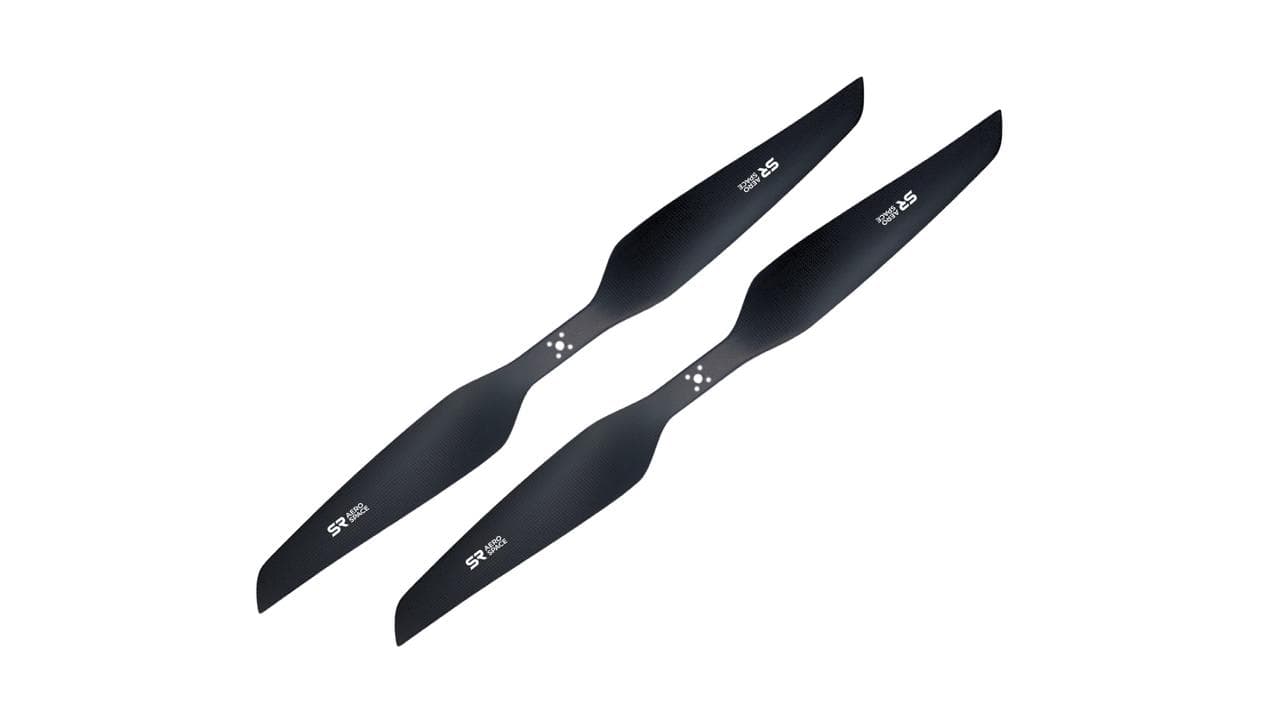
As the aviation industry embraces sustainability, electric propulsion systems are emerging as a game-changing innovation, especially in the world of Unmanned Aerial Vehicles (UAVs). These systems are not just enhancing efficiency; they’re also reducing emissions and opening up exciting new possibilities across various sectors, fundamentally changing our approach to flight.
What Are Electric Propulsion Systems?
So, what exactly are electric propulsion systems in UAVs? Simply put, these systems use electrical energy to power the aircraft, providing a cleaner alternative to traditional combustion engines. This technology is particularly crucial for UAVs in commercial, agricultural, and defense sectors, where efficiency and reliability are essential. By harnessing electric power, these systems enable quiet, clean, and efficient flights, significantly cutting down on environmental impact and operational costs.
The Role of Electric Propulsion Systems in UAV Efficiency
The standout feature of electric propulsion systems is their remarkable ability to boost UAV efficiency. Designed to make the most out of energy use, these systems offer longer flight times and greater payload capacities. Here’s a closer look at some of the key benefits:
– Reduced Fuel Costs: By eliminating the need for conventional fuel, electric propulsion dramatically lowers operating expenses.
– Improved Energy Conversion: Electric motors are more efficient at converting energy compared to combustion engines, which means longer flight times and extended ranges.
– Enhanced Payload Capacity: With less weight dedicated to fuel, UAVs have the potential to carry more equipment or cargo, making them even more versatile for different applications.
Aerospace Innovation: Leading the Charge
Electric propulsion systems are reshaping the landscape of aerospace innovation, paving the way for new and exciting UAV applications. Integrating these systems allows for more adaptable UAV designs, which can take on a variety of functions and expand operational capabilities. For example, in agriculture, UAVs powered by electric propulsion can cover larger areas more effectively, enhancing crop monitoring and management. In defense, these systems provide strategic advantages by enabling quieter, longer-duration surveillance missions.
Sustainable Aviation Solutions: A Greener Future
As our world grows increasingly aware of environmental concerns, sustainable aviation solutions are more crucial than ever. Electric propulsion systems represent a pathway toward greener aviation, significantly cutting emissions and noise pollution. This is particularly advantageous in urban areas, where traditional UAV operations often face restrictions due to noise and environmental issues.
Key Environmental Benefits:
1. Lower Emissions: Electric systems generate zero emissions during flight, contributing to cleaner air.
2. Noise Reduction: The quiet operation minimizes disturbances to both wildlife and nearby communities.
3. Resource Efficiency: By tapping into renewable energy sources, electric propulsion supports a sustainable aviation ecosystem.
Overcoming Challenges
While electric propulsion systems have a lot to offer, they also come with certain challenges that need to be addressed. Battery technology, for instance, is a key factor in determining the practicality and efficiency of electric UAVs. Advancements in battery density and charging infrastructure are vital for the widespread acceptance of electric propulsion systems.
Addressing Battery Limitations:
– Battery Innovation: Ongoing research focuses on creating batteries with higher energy densities, allowing for longer flights and quicker charging times.
– Hybrid Systems: Combining electric propulsion with alternative energy sources, like solar power, can boost performance and extend operational ranges.
Future Trends in Electric Propulsion for UAVs
The outlook for electric propulsion systems is bright, with ongoing advancements set to further enhance UAV capabilities. Here are some trends to keep an eye on:
– Integration with AI: Using artificial intelligence to optimize flight paths and energy consumption, leading to even greater efficiency.
– Advanced Materials: The development of lightweight, durable materials will enhance UAV design and performance.
– Regulatory Support: As regulations evolve to support electric UAV operations, we’ll likely see broader adoption in both commercial and defense sectors.
Conclusion
Electric propulsion systems are not just changing the UAV industry; they’re offering efficient, sustainable, and innovative solutions for a wide range of applications. As technology continues to evolve, these systems are poised to play a pivotal role in shaping the future of aviation, providing a cleaner, quieter, and more efficient way to navigate the skies. For businesses and organizations eager to tap into the full potential of UAVs, embracing electric propulsion isn’t just an option—it’s becoming a strategic necessity.
 plexustechnology
  elevatehsc