
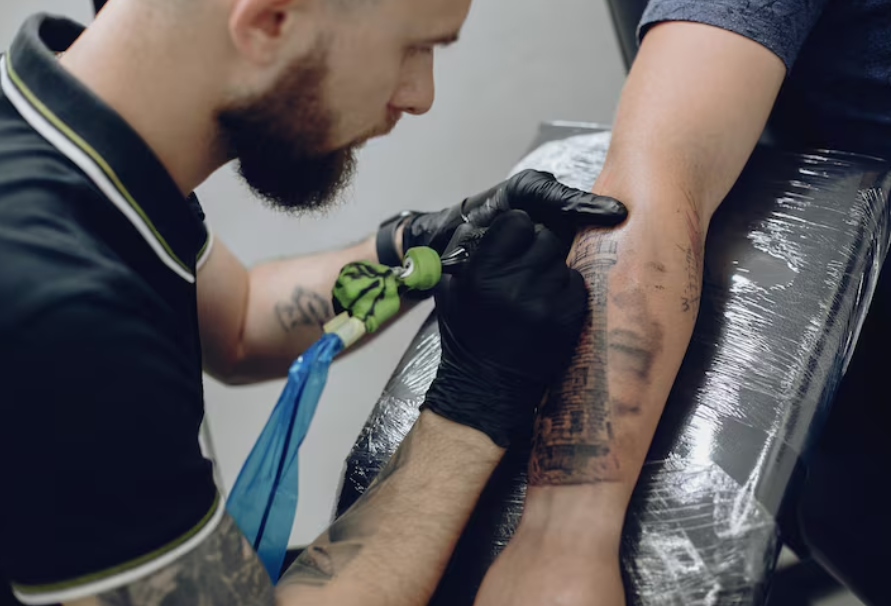
Getting a tattoo is an exciting experience, but what happens after the ink settles into your skin is just as important as the design itself. Proper care ensures your artwork heals beautifully, stays vibrant, and avoids complications. At the same time, many people also think about comfort during the tattooing process, which is where tattoo numbing cream comes into play. Understanding both tattoo aftercare and tattoo numbing cream can make the entire tattoo journey smoother, safer, and more enjoyable.
Tattoo aftercare is the process of caring for your skin after getting inked. It begins immediately after your tattoo session ends and continues for several weeks until the skin is fully healed. The first stage of tattoo aftercare usually involves keeping the tattoo clean and protected. Since a tattoo is essentially an open wound, it is vulnerable to bacteria, irritation, and infection. Washing the area gently with mild soap and lukewarm water helps remove excess ink, blood, and plasma. After cleaning, the skin should be patted dry with a clean towel and not rubbed harshly.
Moisturizing is another key part of tattoo aftercare. Once the skin begins to dry out, applying a thin layer of recommended ointment or fragrance-free lotion helps keep the skin hydrated. This prevents excessive scabbing and itching, which can affect the final appearance of the tattoo. However, over-moisturizing should be avoided because it can suffocate the skin and slow down the healing process. A balanced approach is always best when following tattoo aftercare routines.
During the healing process, it is also important to avoid exposing the tattoo to direct sunlight, swimming pools, hot tubs, and excessive sweating. These factors can introduce bacteria or cause fading in fresh ink. Wearing loose clothing over the tattooed area helps reduce friction and irritation. Good tattoo aftercare also means resisting the urge to scratch or pick at scabs, even if itching becomes uncomfortable. The skin needs time to regenerate naturally.
While tattoo aftercare focuses on healing after the tattoo is done, tattoo numbing cream is used before or during the tattoo session to reduce pain and discomfort. Many people, especially those getting large or detailed tattoos, are concerned about the level of pain involved. Tattoo numbing cream provides a temporary desensitizing effect on the skin, making the process more tolerable. It works by blocking nerve signals in the applied area, which reduces the sensation of pain during the tattooing process.
Applying tattoo numbing cream is usually done before the tattoo session begins. The skin is cleaned, and a thick layer of the cream is applied to the area. After a certain waiting period, the area becomes less sensitive, allowing the artist to work with reduced discomfort for the client. This can be especially helpful for first-time clients or individuals with low pain tolerance. However, it is important to use tattoo numbing cream responsibly and follow instructions carefully to avoid skin reactions or reduced effectiveness.
Even though tattoo numbing cream can make the process easier, it does not eliminate the need for proper tattoo aftercare. Once the effect of the cream wears off, the skin still goes through the normal healing stages. That is why tattoo aftercare remains essential regardless of whether numbing products were used during the session. The healing process is influenced more by how the tattoo is cared for afterward than by how it was initially tolerated.
Another important aspect of tattoo aftercare is understanding the healing timeline. In the first few days, the tattoo may feel sore, look red, and release some fluid. This is normal and part of the body’s natural healing response. During the second week, the tattoo may start to peel or flake, similar to a sunburn. This is where proper tattoo aftercare practices, such as gentle cleansing and light moisturizing, are especially important. By the third or fourth week, most surface healing is complete, although deeper layers of skin may still be recovering.
People who rely on tattoo numbing cream sometimes assume that because the process was less painful, healing might also be easier. However, pain levels during tattooing do not determine healing speed or quality. Consistent tattoo aftercare practices are what ensure the final result looks sharp and well-preserved. Whether or not tattoo numbing cream is used, aftercare is what truly protects the investment made in body art.
It is also worth mentioning that tattoo aftercare products should always be chosen carefully. Fragrance-free, gentle formulas are recommended to avoid irritation. Harsh chemicals or heavily scented lotions can disrupt the healing skin and cause unwanted reactions. Staying consistent with a simple routine is often more effective than using multiple complicated products.
When discussing tattoo numbing cream, it is also important to recognize that not all products are the same. Some are stronger than others, and skin sensitivity varies from person to person. Consulting with a professional tattoo artist before using tattoo numbing cream is often a good idea, as some artists may have preferences or recommendations based on their experience. In some cases, improper use of numbing products can affect skin texture temporarily, which may influence the tattooing process.
Ultimately, both tattoo aftercare and tattoo numbing cream play important roles in the tattoo experience, but at different stages. Tattoo numbing cream focuses on comfort during the procedure, while tattoo aftercare focuses on healing and long-term results. When used correctly and responsibly, both contribute to a more positive tattoo journey.
In conclusion, getting a tattoo is more than just sitting through the session; it is a process that extends before and after the needle touches the skin. Tattoo aftercare ensures that your artwork heals properly, maintains its detail, and stays vibrant for years to come. Tattoo numbing cream helps make the experience more comfortable, especially for those who are sensitive to pain. Together, they create a balanced approach that supports both comfort and care. By understanding and applying proper tattoo aftercare practices and using tattoo numbing cream wisely when needed, anyone can enjoy a safer, more comfortable, and more satisfying tattoo experience.