
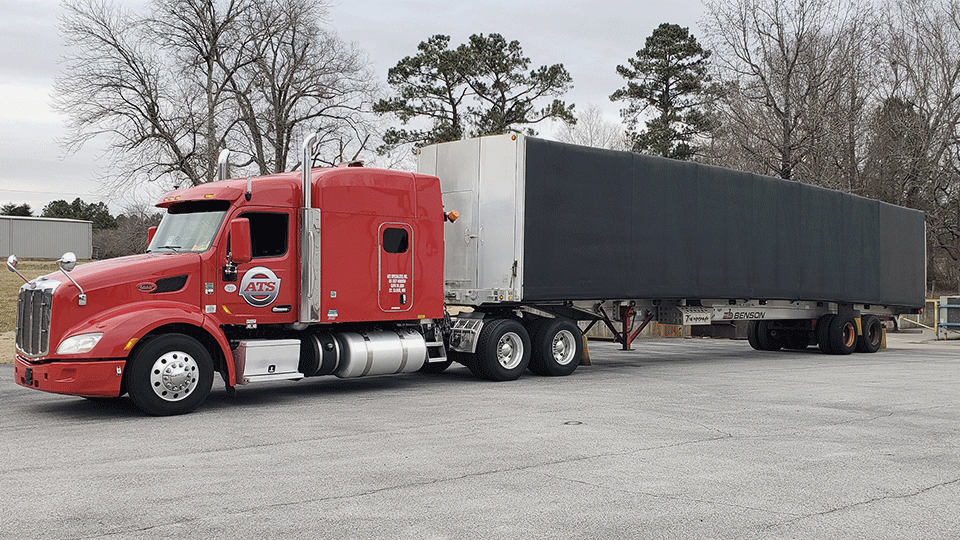
In the world of open-deck transportation, step deck trucking plays a critical role for freight that simply cannot fit on standard trailers. Whether it’s tall machinery, construction materials, or oversized equipment, step deck trailers provide a practical solution that balances compliance, safety, and efficiency. For shippers, drivers, and logistics professionals across the USA, understanding how this segment works can make a noticeable difference in delivery timelines and cost control.
What Makes Step Deck Trailers Different?
A step deck trucking —also known as a drop deck—has two deck levels instead of one flat surface. The upper deck sits closer to the tractor, while the lower deck drops down, creating additional vertical space. This design allows carriers to transport taller loads without exceeding federal height restrictions.
In the U.S., standard legal height is typically around 13 feet 6 inches. With a step deck, freight that might be too tall for a flatbed can often move legally without requiring special permits. This makes step deck freight a preferred option for industries such as construction, agriculture, and manufacturing.
For example, a contractor moving a large forklift or a piece of farm equipment can avoid delays associated with oversize permits simply by choosing the right trailer type.
When Step Deck Freight Is the Right Choice
Not every load needs a step deck, but certain scenarios make it the most efficient option. Freight that exceeds standard height limits but still fits within weight regulations is the most common use case.
Typical step deck freight includes:
- Industrial equipment and machinery
- Pre-fabricated building materials
- Agricultural vehicles and attachments
- Large generators or tanks
Consider a scenario where a supplier in Texas needs to transport steel structures to a job site in Colorado. A flatbed might require additional permits due to height, while a step deck can often handle the load within legal limits. This reduces paperwork and speeds up transit.
Another advantage is flexibility. Step decks can handle a wide range of load types without the complexity of specialized trailers like lowboys, which are reserved for extremely heavy or oversized freight.
The Role of Dispatching in Step Deck Operations
Efficient dispatching step decks is where logistics planning meets real-world execution. Dispatchers are responsible for matching available loads with drivers, optimizing routes, and ensuring compliance with regulations.
A step deck dispatcher must consider several factors:
- Load dimensions and weight
- Pickup and delivery windows
- Driver availability and hours-of-service rules
- Route restrictions such as low bridges or weight limits
Unlike standard freight, open-deck loads often require additional coordination. For example, a load may need tarping, special securement, or specific handling instructions. Dispatchers must communicate these details clearly to avoid delays or safety risks.
In practice, this means balancing efficiency with precision. A poorly planned dispatch can lead to missed appointments or compliance issues, while a well-coordinated one keeps operations running smoothly.
How Step Deck Dispatch Services Support Carriers
Professional step deck dispatch services help carriers manage the complexities of open-deck freight. These services typically handle load sourcing, rate negotiation, paperwork, and communication with brokers or shippers.
For small fleets or independent owner-operators, this support can be especially valuable. Instead of spending hours searching for loads, drivers can focus on driving and safety while dispatchers handle the administrative side.
A reliable step deck dispatch setup often includes:
- Access to load boards and broker networks
- Real-time communication with drivers
- Assistance with compliance and documentation
- Coordination of pickup and delivery schedules
In many cases, dispatch services act as a bridge between carriers and the broader logistics network, ensuring that freight moves efficiently from origin to destination.
Challenges in Step Deck Trucking
While step deck trucking offers clear advantages, it also comes with its own set of challenges. Understanding these helps both carriers and shippers plan more effectively.
One common issue is load securement. Because step deck freight often includes irregular or heavy items, proper tie-down techniques are essential. Drivers must be trained to handle chains, straps, and tarps correctly.
Another challenge is route planning. Even though step decks reduce height-related restrictions, drivers still need to account for road conditions, bridge clearances, and state-specific regulations.
Weather can also play a role. Open-deck trailers expose freight to the elements, which means dispatchers and drivers must plan for protective measures when necessary.
Finally, market demand can fluctuate. Certain regions or seasons may see higher demand for step deck capacity, affecting availability and pricing.
Real-World Example: Coordinating a Multi-State Shipment
To understand how all these elements come together, consider a real-world scenario. A manufacturing company in Ohio needs to deliver oversized equipment to a facility in Arizona.
The shipment requires:
- A step deck trailer to accommodate height
- Careful route planning to avoid restricted areas
- Coordination with loading and unloading crews
A step deck dispatcher identifies a suitable driver, confirms equipment compatibility, and plans the route. The dispatcher also ensures that the driver has the necessary securement tools and understands the load requirements.
During transit, communication remains active. If weather conditions change or delays occur, adjustments are made in real time. By the time the shipment arrives, all stakeholders are aligned, and the delivery is completed without unnecessary complications.
This type of coordination highlights the importance of experience and attention to detail in step deck dispatch.
Industry Insight and the Human Element
Behind every successful shipment is a combination of technology and human expertise. While load boards and tracking systems provide valuable data, decision-making still يعتمد on experienced professionals who understand the nuances of the industry.
Companies like EverMark Dispatchers operate within this space, contributing to the coordination and flow of step deck logistics. Their role, like many others in the industry, reflects how collaboration and knowledge-sharing keep freight moving efficiently across the country.
Conclusion
Step deck dispatcher remains a vital part of the U.S. freight landscape, offering a practical solution for transporting taller and more complex loads. From understanding trailer design to managing dispatch operations, each aspect requires careful attention and industry knowledge.
As demand for specialized freight solutions continues to grow, the importance of effective step deck dispatch and informed logistics planning becomes even more evident. By focusing on clear communication, proper planning, and real-world experience, carriers and dispatchers can navigate challenges while maintaining consistent, reliable operations.
 ali
ali  alexjoe
  triallawyers