
Safe driveline management for patients supported by a Left Ventricular Assist Device (LVAD) represents a critical component of long-term mechanical circulatory support care. An LVAD is a surgically implanted mechanical pump that assists the left ventricle in circulating blood throughout the body in patients with advanced heart failure. Because the system relies on an external controller and power source connected via a percutaneous driveline, the management of this cable is a persistent clinical challenge.
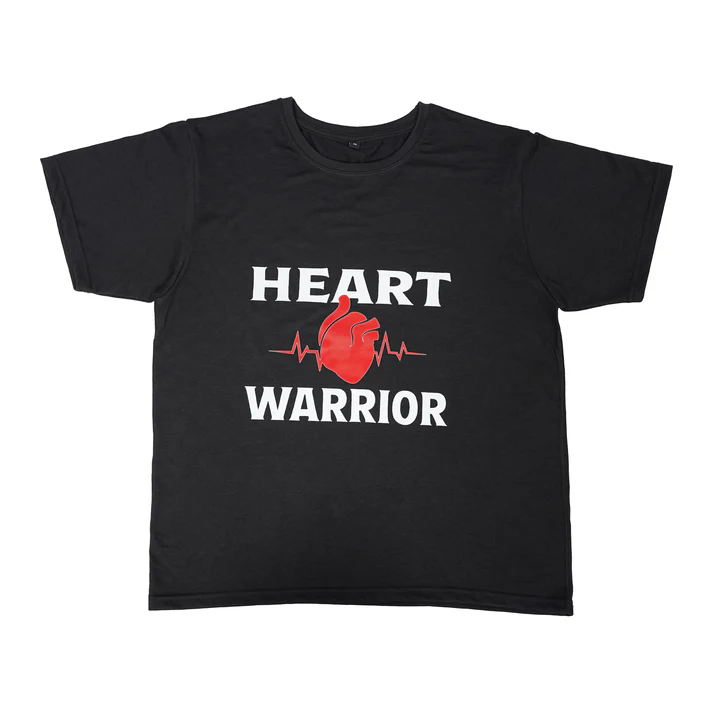
In modern medical wearables, specialized garments such as the LVAD stabilization belt and adaptive apparel like the heart warrior shirt have become essential adjuncts to clinical care. These wearable systems are designed to reduce driveline tension, minimize infection risk, and improve patient comfort and mobility. The growing integration of biomechanical support clothing into post-implantation care reflects an evidence-based shift toward preventive complication management and quality-of-life optimization.
This article examines safe LVAD driveline management through wearable gear, focusing on clinical rationale, engineering principles, real-world applications, and best practices grounded in established cardiology and biomedical engineering frameworks.
Understanding LVAD Driveline Mechanics and Clinical Risks
What the Driveline Does in LVAD Systems
The driveline is the externalized cable that connects the implanted pump to the external controller and power supply. It transmits power and data, making it essential for device function. However, because it exits the body through the abdominal wall, it creates a chronic vulnerability point.
From a clinical standpoint, driveline stability is directly linked to complication rates. Excessive motion or traction can lead to:
- Exit-site trauma
- Deep tissue infection
- Pump malfunction due to connector stress
- Patient discomfort and reduced mobility
Infection Risk and Biomechanical Stress
According to clinical registry data from mechanical circulatory support programs, driveline infections remain one of the most common adverse events in long-term LVAD therapy. Research published in cardiothoracic journals consistently identifies mechanical stress at the exit site as a key risk factor.
The use of wearable stabilization systems reduces micro-movement, which is a known contributor to bacterial migration along the driveline tract.
Role of Wearable Technology in Driveline Stabilization
Function of the LVAD Stabilization Belt in Clinical Practice
A key innovation in post-implant care is the use of compression and support garments such as the lvad stabilization belt. These devices are designed to:
- Secure the driveline against lateral movement
- Redistribute mechanical load away from the exit site
- Reduce accidental pulling during daily activities
- Improve patient confidence during ambulation
By maintaining consistent alignment of the driveline, stabilization belts reduce repetitive micro-trauma, which is a major contributor to chronic inflammation and infection risk.
The Heart Warrior Shirt as an Adjunct Wearable System
The heart warrior shirt represents a category of adaptive medical apparel designed for comfort, concealment, and driveline integration. These garments typically incorporate:
- Internal routing channels for driveline positioning
- Soft compression zones to minimize friction
- Breathable antimicrobial fabrics
- Access points for controller adjustments
Unlike rigid stabilization devices, the heart warrior shirt focuses on everyday usability and psychological normalization of device dependency, improving adherence to mobility and rehabilitation protocols.
Benefits of Wearable Gear in LVAD Driveline Management
Infection Prevention and Exit-Site Protection
Wearable stabilization reduces driveline motion, which directly correlates with lower infection probability. Clinical best practices emphasize minimizing shear forces at the exit site, a principle supported by wound care and surgical site infection literature.
Improved Mobility and Functional Independence
Patients using structured wearable support systems report improved confidence in movement. Reduced fear of accidental driveline pulling leads to:
- Increased walking distance during rehabilitation
- Improved participation in daily activities
- Enhanced adherence to physical therapy programs
Mechanical Stress Reduction
Wearable systems act as external load distributors, ensuring that sudden movements do not translate into internal tissue stress. This is particularly important during transitions such as sitting, standing, or turning in bed.
Challenges and Limitations in Wearable LVAD Support Systems
Fit Variability and Patient-Specific Anatomy
One of the primary challenges in wearable LVAD support design is anatomical variability. Abdominal contour, driveline exit location, and post-surgical healing differences require customizable solutions.
Skin Sensitivity and Long-Term Use
Extended use of compression garments may lead to:
- Skin irritation
- Heat retention
- Pressure discomfort
Material science improvements, including moisture-wicking and antimicrobial textiles, are addressing these limitations.
Psychological Adaptation
Some patients experience difficulty adapting to continuous wearable dependency. However, structured education and gradual integration protocols significantly improve acceptance rates.
Expert Insights and Best Practices in LVAD Wearable Management
Clinical experts in mechanical circulatory support emphasize a multimodal approach combining surgical care, patient education, and wearable stabilization.
Evidence-Based Practices
- Secure anchoring protocols: Drivelines should be stabilized at multiple points rather than a single fixation site.
- Daily inspection routines: Exit-site evaluation reduces delayed infection detection.
- Layered wearable strategy: Combining stabilization belts with soft apparel like the heart warrior shirt improves both safety and comfort.
- Hygiene reinforcement: Clean, dry dressing environments significantly reduce bacterial colonization risk.
Why These Strategies Work
These methods collectively reduce micro-motion, improve hygiene control, and distribute mechanical stress—three primary drivers of LVAD-related complications.
Common Mistakes and Misconceptions in Driveline Care
Over-Reliance on Adhesive Fixation Alone
Adhesive-only stabilization methods often fail under long-term use due to skin oiling, sweat, and movement stress. Wearable systems provide more consistent mechanical support.
Ignoring Fabric Compatibility
Not all clothing materials are suitable for driveline contact. Rough or non-breathable fabrics can increase irritation and infection risk.
Underestimating Micro-Movement Effects
Even minor repetitive movement can contribute to tissue breakdown over time. This is frequently underestimated by non-specialist caregivers.
Improper Placement of Driveline Routing
Incorrect routing increases torque on the exit site, defeating the purpose of stabilization systems.
Conclusion
Safe LVAD driveline management is a foundational aspect of long-term mechanical circulatory support success. Wearable technologies, including stabilization belts and adaptive garments such as the heart warrior shirt, represent a significant advancement in reducing complications and improving patient quality of life.
By integrating biomechanical stabilization, infection prevention principles, and patient-centered design, modern wearable systems bridge the gap between clinical device function and everyday usability. As research in medical wearables continues to evolve, these systems are expected to become increasingly personalized, data-integrated, and clinically standardized.
FAQs
What is the main purpose of LVAD driveline stabilization wearables?
Wearable systems are designed to minimize mechanical stress on the driveline exit site, reducing infection risk and improving patient mobility.
How does a stabilization belt improve LVAD safety?
A stabilization belt secures the driveline in a fixed position, reducing tension and preventing accidental pulling during movement.
Is the heart warrior shirt medically approved for LVAD patients?
The heart warrior shirt represents adaptive medical apparel designed for comfort and driveline accommodation; suitability depends on clinician recommendation and patient-specific needs.
Can wearable gear fully prevent LVAD infections?
No system can fully eliminate infection risk, but wearable stabilization significantly reduces one of the major contributing factors—mechanical movement.
How often should driveline support garments be replaced?
Replacement frequency depends on material wear, hygiene protocols, and manufacturer guidance, typically ranging from several months to a year.
Are these wearable systems used globally in LVAD care?
Yes, similar stabilization garments are increasingly incorporated into LVAD rehabilitation programs in cardiology centers worldwide.
What materials are best for LVAD wearable garments?
Medical-grade breathable fabrics with antimicrobial properties are preferred to reduce skin irritation and bacterial growth.
Can patients sleep with LVAD stabilization wearables?
Yes, many wearable systems are designed for 24-hour use, including sleep, to maintain consistent driveline support.
Do wearable systems interfere with LVAD controller function?
Properly designed systems do not interfere with electronic components and are engineered to avoid compression of critical device elements.
What are the risks of not using driveline stabilization?
Lack of stabilization increases risks of infection, driveline dislodgement, mechanical stress injury, and reduced device longevity.
 mohsinlinks
  taraloc543