
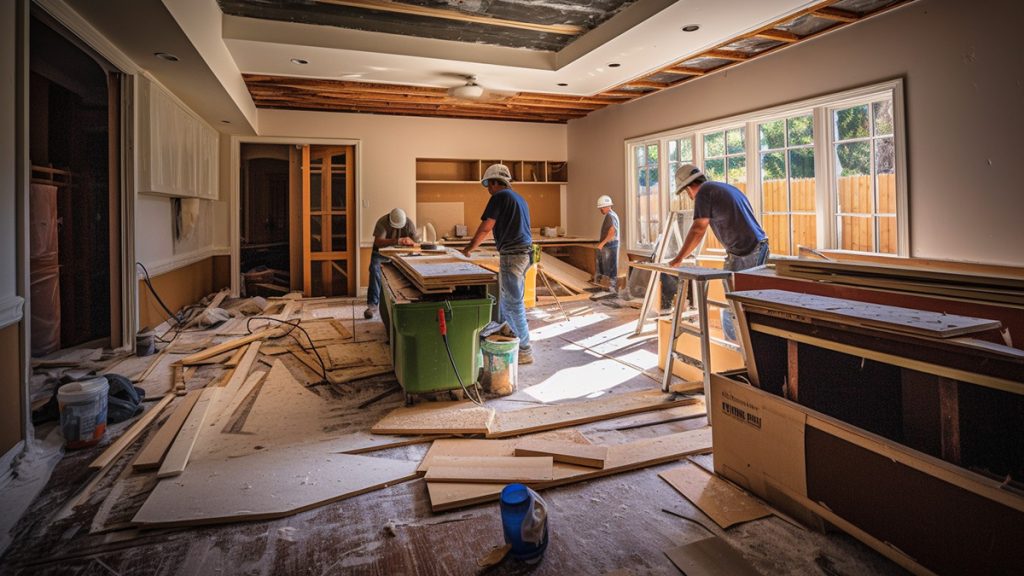
Residential finishing costs mean the total expenses required to complete the interior and exterior work of a home. When you start building a house, the structure is only half the story. The real magic begins when finishing work starts. This is the stage where walls are painted, floors get tiles and lights are installed. The house starts to feel like a home after finishing tasks.
But calculating finishing costs is not easy. These costs include materials, labour, contractor overheads, equipment usage, design requirements and profit margins. All these costs are added step by step to the final cost. Small mistakes in estimation of residential finishing costs change the whole budget. To avoid these problems, many people hire residential estimating services because they calculate everything in detail. They measure everything, use current market prices, do accurate takeoffs and make your finishing project complete within budget.
What is Residential Finishing?
Residential finishing means all the final work done inside and outside a house after the main structure is ready.
It includes the elements given below.
- Wall paint
- Floor tiles
- False ceilings
- Doors and windows finishing
- Electrical fittings
- Plumbing fixtures
- Kitchen cabinets
In short, residential finishing is the work that transforms a basic structure into a livable and visually complete home.
Key Components That Shape Finishing Costs
Key components that shape finishing cost are explained below.
Material Costs
Material cost is the biggest part of finishing. Material includes items like paint, tiles, cement, glue, wood for cabinets, lights, switches, pipes and taps. The price of these materials depends on quality.
Simple materials cost less. Premium materials cost more. Also, some material is wasted during cutting and fitting. That small waste is also added to the total cost.
Labour Costs
Labour means the workers who do the job. Labour cost is the money paid to skilled and unskilled workers who are involved in finishing tasks. These workers involved in the finishing job are mentioned below.
- Painters
- Electricians
- Plumbers
- Tile workers
- Carpenters
Their cost depends on the type of work, skill level and the time required. If the design is complex, labour cost becomes higher because it takes more time and effort.
Equipment and Tools
Workers also need specialised tools to complete the finishing projects. The equipment and tools needed in the project are given below.
- Tile cutting machines
- Ladders and scaffolding
- Drilling tools
- Polishing machines
Sometimes tools are rented and sometimes their cost is included in the project. Either way, it becomes part of the total cost.
Contractor Overhead
Contractors have extra costs that are not directly seen in the work. These expenses include the following.
- Site supervision
- Transport
- Office work
- Utility bills
- Safety management
This is called overhead cost. It is usually added as a small percentage of the total cost.
Profit Margin
Every contractor adds a profit on top of the total cost. Profit is the money contractors gets after covering all direct and indirect costs. Profit depends on:
- Project size
- Risk level
- Market competition
If the project is urgent or complex, profit margin may be slightly higher.
Measurement and Quantity Takeoff Process
Before calculating cost, all surfaces and elements that require finishing are measured properly.
For example:
- Walls are measured in square feet for paint
- Floors are measured for tiles
- Ceiling area is measured for false ceiling
- Doors and windows are counted
This step is very important because even a small mistake here can change the total budget.
Role of Material Costs and Market Analysis
Material rates are the most important part of finishing, but they change a lot. Price of material goes up and down due to market demand, brand choice and supply issues. Many people plan their budget using old prices. When they actually go to market to buy materials, the rates are higher so the budget gets disturbed.
Market analysis is also very important because some people buy expensive materials without checking similar or lower-cost choices. So it is very important to consider price fluctuations and do market analysis before buying materials. You can reach out to a construction estimating company which provides you with expert estimators. They have knowledge of the latest prices, and they can select materials that match both quality and budget.
Step-by-Step Cost Calculation of Residential Finishing
Finishing cost of a home is calculated in clear and simple steps.
- All finishing areas of the house are measured using drawings. Walls, floors, and ceilings are checked carefully.
- The amount of material needed is calculated for each part of the work. This includes paint, tiles, wood and other items.
- Labour cost is added based on the work needed. After that, the cost of tools and equipment is included.
- Contractor charges are also added as overhead.
- A small extra amount is kept as a backup plan for unexpected problems. This is called contingency.
- In the end, profit is added to get the final cost.
Example of Residential Finishing Cost Breakdown
Let’s look at a simple example to understand how residential finishing costs are divided in a small apartment.
- Paint and wall finishing materials: 30% of total cost
- Flooring and tiling work: 25% of total cost
- Electrical and lighting fixtures: 15% of total cost
- Plumbing fixtures and installation: 10% of total cost
- Carpentry and woodwork: 15% of total cost
- Overhead, contingency and profit: 5%
Remember that this is just a simple example. Real costs change from house to house. If the design is simple, the cost of finishing will be lower. However, if the house has a luxury design, then more money is spent.
Common Factors That Increase Finishing Costs
- Due to several reasons, overall finishing expenses become higher than expected at the start.
- One big reason is design changes during construction. It increases labour and material waste.
- Another reason is high-end material selection that raises procurement costs.
- Tight project deadlines increase labour costs due to overtime requirements.
- Poor planning on-site also causes problems. It leads to delays, material wastage and confusion.
- Accurate planning at early stages reduces the impact of these cost escalations.
Conclusion
Finishing a home needs careful planning because small cost mistakes create big problems later. That is why it is always better to calculate everything step by step before starting the work. To make this cost estimation of finishing tasks easier, you can hire interior and exterior finishing estimating services. These services help you get a clear and accurate budget for all finishing work inside and outside the house. They reduce confusion, control extra spending, and make the whole process smooth. If you want to avoid stress and stay within your budget, you can also consider these estimating services for better planning and results.
 Lavishcars