
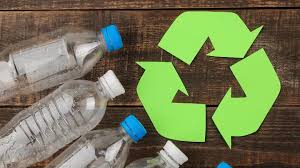
Plastic waste has become one of the biggest environmental problems across the world today. Every day, people use plastic bottles, containers, bags, packaging materials, and many other products without thinking about what happens after disposal. Large amounts of plastic end up in landfills, rivers, and oceans, creating pollution and harming nature.
This is why plastic recycling has become very important for industries, businesses, and households. Recycling helps reduce waste, saves natural resources, lowers pollution, and supports a cleaner environment. It also helps manufacturers reuse materials instead of producing new plastic from raw resources every time.
The recycling industry has grown rapidly because many governments, companies, and consumers now understand the importance of sustainable waste management. Modern recycling systems can process different kinds of plastic materials and convert them into reusable products for various industries.
In this article, you will learn about the complete plastic recycling process, the different types of recyclable plastics, and the practical uses of recycled plastic materials in daily life.
What is Plastic Recycling?
Plastic recycling is the process of collecting waste plastic materials and converting them into reusable products. Instead of throwing plastic away, recycling allows the material to be cleaned, processed, and used again for manufacturing.
The main purpose of recycling plastic is to reduce environmental pollution and minimize the amount of waste reaching landfills. Recycling also reduces the need for new plastic production, which saves energy and natural resources.
Many industries now use recycled plastic for making packaging products, construction materials, furniture, automotive parts, household items, and textile products.
Why Plastic Recycling is Important
Plastic waste takes many years to break down naturally. When plastic is not managed properly, it creates serious environmental and health problems. Recycling provides a practical solution to reduce these issues.
1. Reduces Environmental Pollution
Plastic waste often reaches rivers, oceans, and forests. Recycling helps reduce litter and keeps the environment cleaner.
2. Saves Natural Resources
Most plastics are made from petroleum-based materials. Recycling reduces the need for fresh raw materials and conserves natural resources.
3. Saves Energy
Producing products from recycled plastic usually requires less energy compared to manufacturing new plastic from raw materials.
4. Reduces Landfill Waste
Landfills are filling up quickly because of increasing waste generation. Recycling reduces the amount of plastic dumped into landfills.
5. Supports Sustainable Manufacturing
Many industries now focus on eco-friendly production methods. Recycled plastic helps companies meet sustainability goals.
6. Creates Employment Opportunities
The recycling industry creates jobs in waste collection, sorting, processing, transportation, and manufacturing.
Types of Plastics Used in Recycling
Not all plastics are the same. Different plastic materials have different properties and recycling methods. Most recyclable plastics are identified using recycling codes.
1. PET or PETE (Polyethylene Terephthalate)
This plastic is commonly used in water bottles, soft drink bottles, and food packaging containers.
Common Uses:
- Beverage bottles
- Food jars
- Cooking oil containers
Recycling Applications:
- Polyester fibers
- Packaging materials
- Textile products
2. HDPE (High-Density Polyethylene)
HDPE is a strong and durable plastic commonly used in household and industrial products.
Common Uses:
- Milk containers
- Shampoo bottles
- Cleaning product containers
- Pipes
Recycling Applications:
- Plastic furniture
- Storage containers
- Pipes and construction materials
3. PVC (Polyvinyl Chloride)
PVC is used in construction and industrial applications.
Common Uses:
- Pipes
- Window frames
- Cable insulation
Recycling Applications:
- Flooring materials
- Pipes
- Industrial products
4. LDPE (Low-Density Polyethylene)
LDPE is flexible and lightweight.
Common Uses:
- Plastic bags
- Packaging films
- Squeeze bottles
Recycling Applications:
- Garbage bags
- Packaging materials
- Plastic lumber
5. PP (Polypropylene)
Polypropylene is heat-resistant and commonly used in food containers.
Common Uses:
- Food packaging
- Bottle caps
- Automotive parts
Recycling Applications:
- Industrial containers
- Furniture
- Automotive products
6. PS (Polystyrene)
Polystyrene is lightweight and often used for disposable products.
Common Uses:
- Disposable cups
- Food trays
- Packaging foam
Recycling Applications:
- Insulation materials
- Packaging products
Step-by-Step Plastic Recycling Process
The recycling process includes several important stages. Each step helps convert waste plastic into reusable material.
Step 1: Collection of Plastic Waste
The first step in the recycling process is collecting plastic waste from homes, offices, industries, and commercial locations.
Plastic waste may be collected through:
- Municipal waste collection systems
- Recycling bins
- Industrial waste management programs
- Waste collection centers
Proper collection is important because clean and separated plastic materials are easier to recycle.
Step 2: Sorting the Plastic Materials
After collection, the plastic waste is sorted according to:
- Plastic type
- Color
- Thickness
- Chemical composition
Sorting is necessary because different plastics cannot always be recycled together.
Modern recycling plants use:
- Manual sorting
- Conveyor systems
- Optical sensors
- Air classification systems
Proper sorting improves the quality of recycled plastic products.
Step 3: Cleaning and Washing
Plastic waste often contains:
- Food residue
- Dirt
- Labels
- Adhesives
- Oil or chemicals
Before processing, the plastic materials are thoroughly cleaned using industrial washing systems.
Cleaning is one of the most important steps because contaminated plastic reduces recycling quality.
Step 4: Shredding the Plastic
After cleaning, the plastic is shredded into small pieces or flakes using industrial shredders.
Shredding helps:
- Reduce material size
- Improve handling
- Make melting easier
- Increase processing efficiency
The shredded pieces are easier to transport and process in later stages.
Step 5: Separation and Identification
Some recycling plants use advanced techniques to further separate plastic materials.
Methods may include:
- Water separation
- Density separation
- Magnetic separation
- Air classification
These systems help remove impurities and ensure better material purity.
Step 6: Melting and Processing
The plastic flakes are heated and melted at controlled temperatures.
The melted plastic is then processed into:
- Pellets
- Granules
- Raw material blocks
These recycled plastic pellets are later used in manufacturing industries.
Step 7: Manufacturing New Products
The final stage involves using recycled plastic materials to create new products.
Manufacturers use recycled plastic for:
- Packaging materials
- Furniture
- Pipes
- Textile fibers
- Automotive components
- Construction products
This process completes the recycling cycle.
Different Methods of Plastic Recycling
There are multiple recycling methods depending on the plastic type and product requirement.
1. Mechanical Recycling
Mechanical recycling is the most common method.
In this process:
- Plastic is collected
- Cleaned
- Shredded
- Melted
- Reprocessed
This method is widely used because it is cost-effective and suitable for many plastic products.
Advantages:
- Lower cost
- Faster processing
- Less energy consumption
2. Chemical Recycling
Chemical recycling breaks plastic down into chemical components.
The materials can then be used to create new plastic or other industrial products.
Advantages:
- Handles mixed plastics
- Produces high-quality materials
- Reduces difficult waste
Challenges:
- Higher processing cost
- Requires advanced technology
3. Energy Recovery
Some plastic waste is converted into energy through controlled combustion systems.
This method is used when recycling is not practical.
Applications:
- Electricity generation
- Industrial heating
However, proper pollution control systems are necessary.
Practical Uses of Recycled Plastic
Recycled plastic materials are now used in many industries worldwide.
1. Packaging Industry
Many packaging companies use recycled plastic for:
- Bottles
- Containers
- Packaging films
- Storage boxes
This helps reduce production costs and environmental impact.
2. Construction Industry
The construction sector uses recycled plastic for:
- Pipes
- Insulation materials
- Flooring
- Roofing sheets
- Plastic lumber
These materials are durable and weather-resistant.
3. Textile Industry
Recycled plastic bottles are converted into polyester fibers used in:
- Clothing
- Carpets
- Bags
- Upholstery fabrics
This reduces textile manufacturing waste.
4. Automotive Industry
Vehicle manufacturers use recycled plastics for:
- Dashboard components
- Seat materials
- Interior panels
- Battery casings
This reduces vehicle weight and supports sustainability.
5. Furniture Manufacturing
Recycled plastic is used to make:
- Chairs
- Tables
- Benches
- Outdoor furniture
Plastic furniture is durable and resistant to moisture.
6. Road Construction
Some countries use recycled plastic in road construction.
Plastic waste is mixed with asphalt to improve road durability and reduce cracking.
Benefits of Plastic Recycling for Businesses
Businesses can gain several advantages by adopting recycling practices.
Reduced Waste Management Costs
Recycling reduces disposal expenses and landfill costs.
Better Brand Image
Customers prefer environmentally responsible companies.
Resource Efficiency
Using recycled material reduces raw material consumption.
Regulatory Compliance
Many governments encourage or require waste management practices.
Long-Term Sustainability
Recycling supports eco-friendly industrial operations.
Challenges in Plastic Recycling
Although recycling offers many benefits, there are still several challenges.
1. Mixed Plastic Waste
Different plastic types are difficult to recycle together.
2. Contamination
Food waste, chemicals, and dirt can affect recycling quality.
3. Limited Recycling Awareness
Many people still do not separate waste properly.
4. High Processing Costs
Advanced recycling technologies can be expensive.
5. Non-Recyclable Plastics
Some plastics are difficult or impossible to recycle economically.
How Individuals Can Support Plastic Recycling
Everyone can help improve recycling systems through simple daily habits.
Use Recycling Bins
Separate plastic waste from general garbage.
Reduce Single-Use Plastics
Use reusable bags and containers whenever possible.
Clean Plastic Waste Before Disposal
Clean materials are easier to recycle.
Support Recycled Products
Buying recycled products encourages sustainable manufacturing.
Spread Awareness
Educate others about responsible waste management.
Future of Plastic Recycling
The future of recycling looks promising because industries are investing in:
- Smart recycling systems
- AI-based sorting technologies
- Advanced chemical recycling
- Sustainable product design
Governments and organizations are also promoting circular economy models where materials are reused continuously instead of discarded after one use.
As technology improves, recycling systems are expected to become more efficient, affordable, and environmentally friendly.
Conclusion
Plastic waste management has become a global priority, and recycling plays a major role in protecting the environment. The complete process of collection, sorting, cleaning, shredding, processing, and manufacturing helps convert waste into valuable reusable materials.
Today, recycled plastic is widely used in packaging, construction, automotive, textile, and furniture industries. Although there are challenges in the recycling sector, continuous innovation and public awareness are helping improve the system.
Businesses and individuals both have an important role in supporting sustainable waste management practices. Companies like Duha Industries are contributing to the growing focus on responsible recycling and industrial sustainability.
 enfieldroyalclinic
  Freya Parker
  jame.smith