
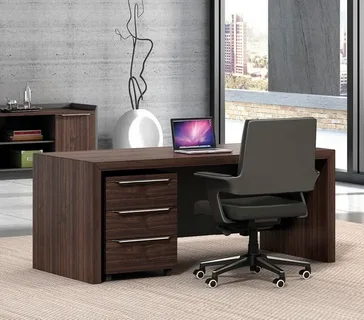
Office furniture is a fundamental part of any workplace because it directly influences how smoothly daily operations are carried out. When a business designs its office space without proper planning, it often results in wasted space, poor movement flow, and reduced employee efficiency. On the other hand, a well-structured workspace ensures that every element serves a clear purpose, from seating arrangements to storage placement. Modern workplaces require flexibility, and office furniture must support that need by allowing easy adjustments as teams grow or workflows change. This is why companies are now paying more attention to how their office environments are designed rather than simply focusing on appearance.
A properly planned office layout improves communication between departments and helps employees stay organized. When desks, meeting areas, and shared spaces are placed strategically, it reduces unnecessary movement and saves valuable time during work hours. Office furniture should always be selected with the entire workflow in mind rather than individual pieces. This approach creates a balanced environment where productivity and comfort naturally align.
Ergonomic design and employee comfort
Employee comfort is one of the most important factors in workplace productivity, and ergonomic design plays a major role in achieving this. Office furniture designed with ergonomics in mind supports natural posture, reduces physical strain, and helps employees maintain focus throughout the day. Chairs with proper lumbar support, adjustable height features, and flexible armrests contribute significantly to reducing fatigue during long working hours.
Desks are equally important in maintaining comfort. The correct desk height, proper leg space, and suitable monitor positioning all work together to create a healthier working environment. When office furniture supports the human body correctly, it reduces long-term health issues such as back pain and neck strain. This leads to fewer sick days and improved employee performance. Businesses that invest in ergonomic office furniture often notice higher levels of job satisfaction and better overall workplace morale.
Comfort also affects mental focus. When employees are physically comfortable, they are able to concentrate better on their tasks, leading to improved efficiency and higher-quality output. This is why ergonomic office furniture is no longer considered optional but essential in modern office design.
Storage systems and organization strategy
A well-organized workplace depends heavily on effective storage solutions integrated into office furniture. Without proper storage, offices can quickly become cluttered, leading to confusion and reduced productivity. Filing cabinets, drawers, shelving units, and modular storage systems help maintain order by ensuring that every document and item has a designated place.
Modern office furniture designs often include built-in storage features that maximize efficiency without taking up additional space. This is especially useful in compact office environments where space is limited. Multi-functional furniture pieces allow businesses to store materials while maintaining a clean and professional appearance. Organized storage also improves security by ensuring that important documents are safely stored and easily accessible when needed.
An organized workspace reduces stress and allows employees to focus on their core responsibilities. When everything is easy to find and properly arranged, it eliminates unnecessary delays and improves workflow efficiency. Proper storage planning is therefore a critical part of office design strategy.
Layout planning for better workflow
The arrangement of office furniture within a workspace has a direct impact on how efficiently employees work. A well-designed layout ensures smooth movement, better communication, and improved collaboration between teams. Office layouts should always be designed with a balance between open collaborative areas and private work zones.
Open spaces encourage teamwork and idea sharing, while private areas allow employees to focus on individual tasks without distractions. The right combination of both creates a flexible working environment that supports different working styles. Office furniture should be arranged in a way that avoids overcrowding and ensures enough space for movement between workstations.
Another important aspect of layout planning is accessibility. Frequently used areas such as meeting rooms, storage units, and shared equipment should be easily reachable. This reduces time wasted on movement and increases productivity. A thoughtful layout also enhances the overall atmosphere of the workplace, making it more comfortable and professional.
Material quality and long-term usage
Durability is a key factor when selecting office furniture for any business. High-quality materials ensure that furniture remains functional and visually appealing even after years of regular use. Common materials such as solid wood, metal frames, and high-grade laminates are often preferred because they offer strength and longevity.
Investing in durable office furniture reduces long-term replacement costs and minimizes maintenance requirements. Businesses that choose low-quality furniture may face frequent repairs and replacements, which can increase overall expenses. Therefore, selecting reliable materials is not just a design decision but also a financial strategy.
Functionality should always go hand in hand with durability. Office furniture must support daily tasks efficiently while maintaining its structure over time. Modular designs are especially useful because they allow flexibility in reconfiguration as business needs evolve. This adaptability ensures long-term usability and better return on investment.
Office aesthetics and professional environment
The visual appeal of a workplace has a strong influence on both employees and visitors. Well-designed office furniture contributes to a professional and welcoming environment that reflects the values of a business. A clean and organized office creates a positive impression and builds trust with clients.
Color coordination, material consistency, and furniture design all play a role in creating a visually balanced workspace. While functionality remains the priority, aesthetics should not be ignored. A well-designed office environment boosts employee motivation and creates a sense of pride in the workplace.
Modern businesses often prefer simple and clean designs that promote focus and reduce visual clutter. Office furniture that blends functionality with design helps create a productive and visually pleasing environment that supports daily operations effectively.
Conclusion
A well-designed workplace depends on careful planning, where every element of office furniture contributes to efficiency, comfort, and organization. From ergonomic seating and smart storage systems to structured layouts and durable materials, each aspect plays an important role in building a productive environment. Businesses that invest in proper planning experience improved workflow, better employee satisfaction, and long-term cost savings. Office furniture express provides solutions that support these goals by combining functionality, durability, and professional design to create effective modern workspaces.
 Lavishcars