
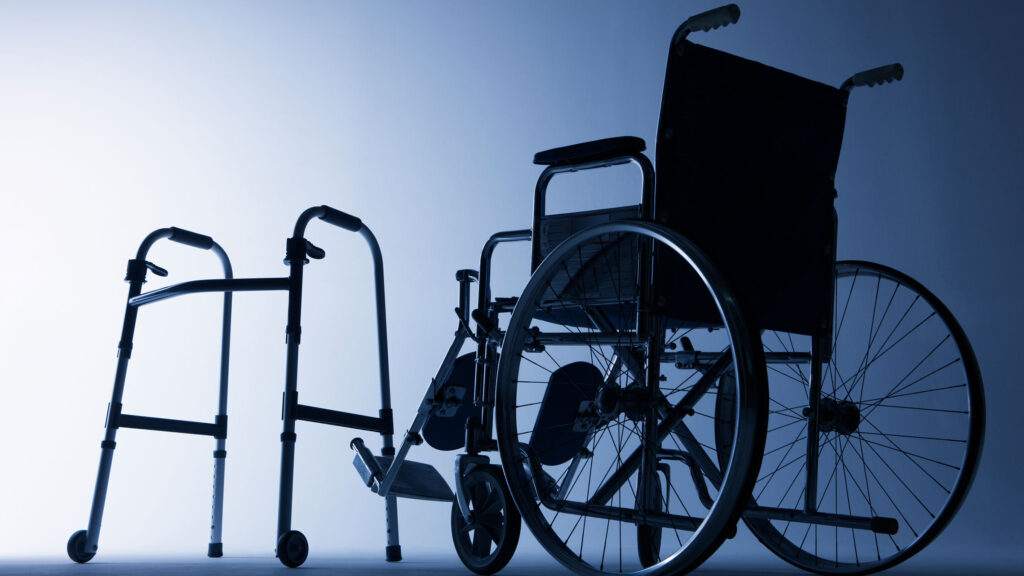
For patients managing chronic conditions, recovering from surgery, or living with long-term disabilities, access to the right medical equipment can be genuinely life-changing. Understanding medical equipment insurance coverage and knowing which durable medical equipment qualifies for reimbursement are two of the most important pieces of knowledge any patient or caregiver can have. Navigating the intersection of healthcare needs and insurance benefits is rarely straightforward, but with the right information and the right support, patients can access the equipment they need without facing unnecessary financial hardship. This guide breaks down everything you need to know about how insurance covers durable medical equipment and how to make the system work in your favor.
What Is Durable Medical Equipment?
Durable medical equipment refers to medically necessary devices and equipment prescribed by a licensed physician for use in the home or outpatient setting to treat a medical condition or disability. The word “durable” is significant — it distinguishes these items from disposable medical supplies by indicating that the equipment is designed to withstand repeated use over an extended period of time.
For a piece of equipment to qualify as durable medical equipment under most insurance definitions, it must meet several specific criteria. It must be able to withstand repeated use, meaning it is not a single-use consumable item. It must serve a medical purpose, meaning it is not primarily for comfort or convenience. It must be appropriate for home use rather than exclusively for clinical or hospital settings. And it must be prescribed by a qualified healthcare provider as part of a documented treatment plan.
This definition encompasses an extraordinarily broad range of products — from wheelchairs and hospital beds to oxygen concentrators, CPAP machines, and diabetic monitoring devices. Understanding which products fall within this definition is the first step toward accessing insurance coverage for them.
How Medical Equipment Insurance Coverage Works
Medical equipment insurance coverage operates through a framework that most patients encounter through Medicare, Medicaid, or private commercial insurance plans. While the specific rules and reimbursement rates vary by plan and by payer, the underlying process follows a consistent general structure that patients and caregivers can learn to navigate effectively.
The coverage process typically begins with a physician’s prescription. Insurance companies require documented medical necessity before they will approve coverage for durable medical equipment. This documentation generally includes a written order from a licensed physician, clinical notes explaining the patient’s diagnosis and functional limitations, and in some cases the results of diagnostic tests that support the medical necessity of the requested equipment.
Prior authorization is required for many categories of durable medical equipment, particularly for higher-cost items such as power wheelchairs, home oxygen systems, and specialized orthotic devices. Prior authorization means that the insurance company reviews the clinical documentation before the equipment is provided and makes a coverage determination in advance. This process protects patients from receiving equipment that their plan will not cover, but it also adds time and administrative complexity to the process of obtaining needed equipment.
Once coverage is authorized, the patient obtains the equipment through a supplier who is enrolled with their insurance plan. Using an in-network supplier is critical — out-of-network suppliers may result in significantly higher out-of-pocket costs or outright denial of coverage. The supplier bills the insurance company directly, and the patient is responsible for any applicable deductible, copayment, or coinsurance amounts based on their specific plan design.
Medicare Coverage for Durable Medical Equipment
Medicare is the single largest payer for durable medical equipment in the United States, covering tens of millions of beneficiaries who rely on home medical equipment to manage their health conditions. Medicare Part B covers durable medical equipment when it meets the program’s specific coverage criteria, and understanding how Medicare approaches DME coverage is valuable even for patients covered by private insurance, as many commercial plans model their own DME policies on Medicare’s framework.
Under Medicare Part B, covered durable medical equipment is subject to the program’s standard cost-sharing structure. Medicare typically covers eighty percent of the approved amount for covered DME after the Part B deductible is met, leaving the beneficiary responsible for the remaining twenty percent. Beneficiaries who have supplemental Medigap coverage may have this twenty percent cost-sharing covered by their supplemental plan, significantly reducing out-of-pocket exposure.
Medicare requires that durable medical equipment be obtained from a Medicare-enrolled supplier. The program has implemented a competitive bidding system in many areas of the country that affects which suppliers are eligible to provide certain categories of equipment to Medicare beneficiaries and what reimbursement rates apply. Patients should always confirm that their chosen supplier is Medicare-enrolled and, where applicable, is a winner of the competitive bidding contract in their area before proceeding with an equipment order.
For certain high-cost items, Medicare applies a capped rental model rather than an outright purchase approach. Under this model, the supplier provides the equipment on a rental basis for a defined period — typically thirteen months for most equipment categories — after which ownership transfers to the beneficiary if Medicare coverage criteria continue to be met. This approach applies to items such as standard power wheelchairs, hospital beds, and certain respiratory equipment.
Medicaid Coverage for Durable Medical Equipment
Medicaid provides durable medical equipment coverage to eligible low-income individuals and families, but the specific coverage rules, covered products, and prior authorization requirements vary significantly from state to state. Unlike Medicare, which operates under a uniform federal framework, Medicaid is jointly funded by federal and state governments and administered by individual states, each of which has considerable flexibility in designing its own coverage policies.
In most states, Medicaid covers a broad range of durable medical equipment for beneficiaries who meet medical necessity criteria. However, some states impose more restrictive coverage policies than others, limiting the types of equipment covered, the quantities allowed, or the circumstances under which specific items will be approved. Patients and caregivers should work closely with their Medicaid managed care plan or state Medicaid program to understand exactly what coverage is available and what documentation is required to support a coverage request.
Many states have also moved their Medicaid programs to managed care models, meaning that durable medical equipment coverage is administered through private managed care organizations under contract with the state rather than directly by the state Medicaid agency. In these environments, patients must work with their specific managed care plan — not the state Medicaid program directly — to obtain prior authorization and identify approved suppliers.
Private Insurance Coverage for Durable Medical Equipment
Commercial health insurance plans offered through employers, individual marketplaces, or direct purchase from insurance carriers also provide durable medical equipment coverage, though the specifics vary considerably between plans and between carriers.
Most commercial plans cover durable medical equipment as a standard benefit, subject to medical necessity documentation, prior authorization for specified equipment categories, and cost-sharing requirements such as deductibles, copayments, and coinsurance. Some plans apply the DME benefit toward the medical deductible, meaning that equipment costs count toward the patient’s annual out-of-pocket maximum. Others apply a separate DME deductible or benefit limit that is distinct from the medical benefit.
Coverage limitations are common in commercial plans. Some plans cap annual DME spending, limit coverage to specific equipment categories, or exclude certain items altogether. Patients should review their Summary of Benefits and Coverage document carefully to understand exactly what their plan covers before requesting equipment from their physician or supplier.
Network requirements are particularly important for commercial insurance DME coverage. Most commercial plans maintain networks of approved DME suppliers, and using an out-of-network supplier can result in significantly higher out-of-pocket costs or complete denial of coverage. Always verify that your chosen supplier participates in your insurance network before proceeding.
Common Categories of Covered Durable Medical Equipment
Understanding which specific equipment categories are most commonly covered by insurance helps patients and caregivers anticipate what documentation will be needed and what approval process to expect.
Mobility equipment including manual wheelchairs, power wheelchairs, and scooters is among the most commonly covered DME category. Coverage is typically tied to documented functional limitations that prevent safe ambulation, and power mobility devices in particular require extensive documentation of the patient’s inability to operate a manual wheelchair independently.
Respiratory equipment including home oxygen systems, CPAP and BiPAP machines for sleep apnea, and nebulizers for asthma and COPD management is widely covered when supported by appropriate diagnostic testing. Home oxygen coverage typically requires documented oxygen saturation levels below a specified threshold, and CPAP coverage generally requires a sleep study confirming obstructive sleep apnea of sufficient severity.
Hospital beds and associated equipment such as pressure-relieving mattresses, bed rails, and trapeze bars are covered when the patient has a documented medical condition that requires positioning adjustments, has difficulty transferring in and out of a standard bed, or is at significant risk of skin breakdown from extended time in bed.
Diabetic supplies including blood glucose monitors, testing strips, lancets, and insulin pumps are covered for patients with documented diabetes diagnoses. Coverage quantities are typically based on the patient’s insulin regimen and monitoring frequency as documented by their treating physician.
Orthotic and prosthetic devices including spinal braces, knee braces, ankle-foot orthoses, and prosthetic limbs are covered when prescribed as part of a comprehensive treatment plan for an underlying musculoskeletal condition, injury, or amputation. Documentation requirements for orthotics and prosthetics can be extensive, often requiring functional assessments and detailed physician orders.
Managing the Prior Authorization Process
Prior authorization is one of the most challenging aspects of obtaining durable medical equipment coverage, and understanding how to navigate it effectively saves significant time and frustration. The process begins with comprehensive clinical documentation from the prescribing physician — the more detailed and specific the documentation, the stronger the prior authorization request.
When a prior authorization is denied, patients have the right to appeal. The appeals process allows patients and their physicians to submit additional clinical information, supporting medical literature, or corrected documentation in support of the coverage request. Many denials are overturned on appeal, particularly when the initial denial was based on insufficient documentation rather than a genuine coverage exclusion. Never accept a denial as the final word without thoroughly reviewing the reason for denial and considering whether an appeal is appropriate.
Working with a durable medical equipment supplier who has a dedicated insurance and authorization team dramatically simplifies this process. Experienced suppliers know exactly what documentation each insurance company requires, how to frame medical necessity arguments persuasively, and how to follow up effectively when authorizations are delayed.
Final Thoughts
Medical equipment insurance coverage and durable medical equipment represent two interconnected areas of healthcare that profoundly affect the daily lives of patients managing serious health conditions. Understanding how coverage works, what documentation is required, how to choose the right supplier, and how to navigate the appeals process when necessary empowers patients and caregivers to access the equipment they need without unnecessary delay or financial burden. The system is complex, but it is navigable — and for patients who take the time to understand it, the result is access to life-improving equipment supported by the insurance coverage they have earned and deserve.
 content
  harisyoung
  jackmorghan