
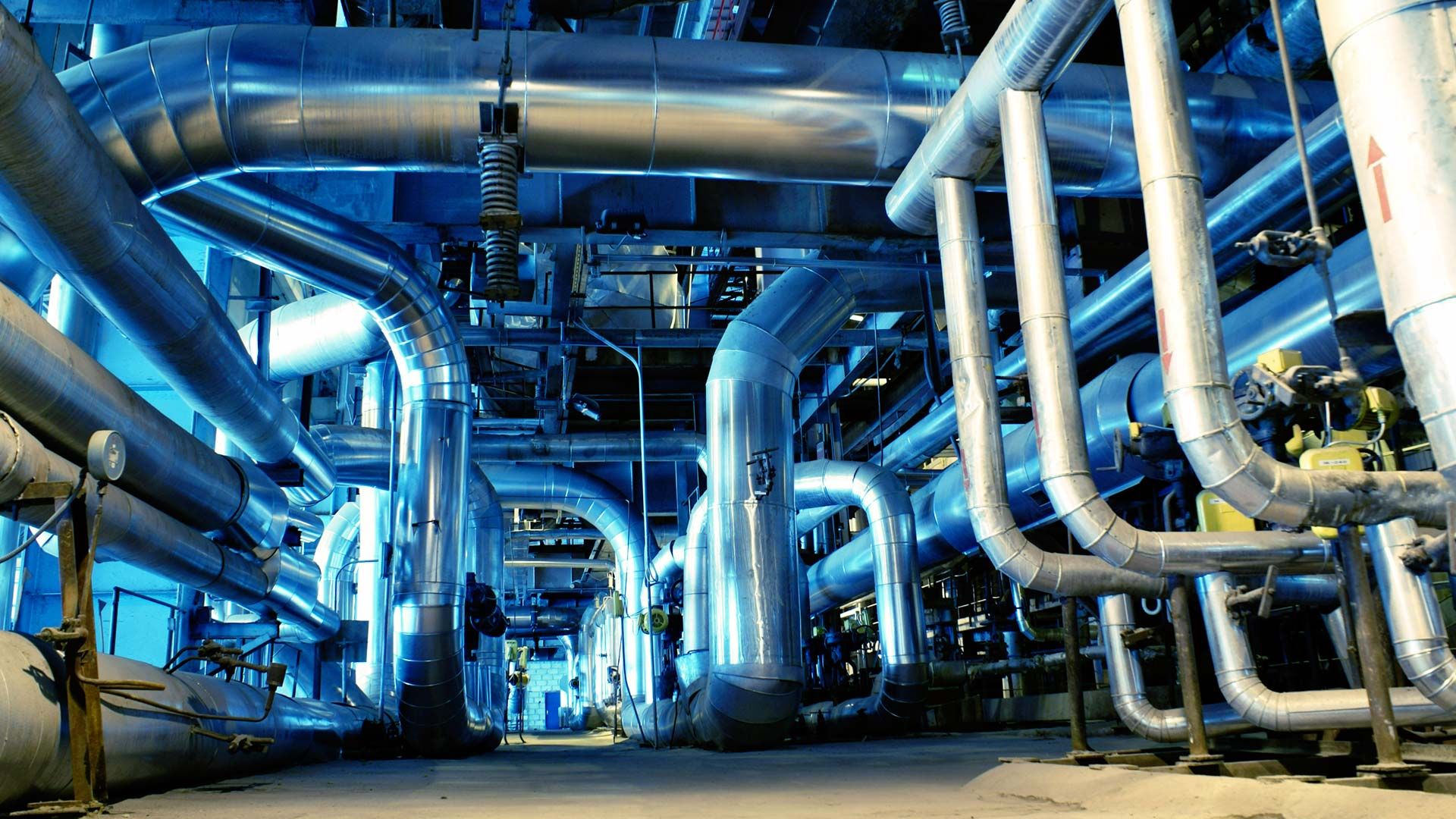
In modern construction and industrial projects, controlling energy use and saving money are top priorities. One of the most effective and often overlooked solutions is mechanical and piping insulation. Whether it is a commercial building, a factory or a house, insulation plays a very important role in helping improve efficiency, protecting the HVAC systems and saving costs over time.
But controlling energy use and saving money on construction projects is not always easy. A lot of projects face problems like poor planning, wasting materials and inaccurate budgeting. So you can hire expert construction estimating services to solve these issues and make things easier. They help project owners plan the insulation work with accurate cost and material calculations from the start.
What Is Mechanical and Piping Insulation?
Mechanical insulation refers to the materials used to keep mechanical systems such as HVAC units, ducts and boilers from losing heat. Piping insulation is a little different. It focuses on specifically insulating pipes that carry cold or hot water.
These insulation systems are used to reduce heat loss or gain, which means they keep things from getting too hot or too cold. They also help maintain the desired temperature and make the whole system work better.
Why Insulation Is Important in Mechanical Systems
Mechanical systems lose energy fast without proper insulation. For example, hot water pipes that are not insulated will get cold before they reach their destination. This forces systems to work hard which increases energy use and costs more money.
Here are the main reasons why insulation is important in mechanical systems:
- Reduces energy waste
- Maintains the efficiency of mechanical systems
- Prevents temperature fluctuations
- Protects the equipment in mechanical systems from damage
- Improves indoor comfort
Simply, insulation helps mechanical systems do their job better while using less energy.
How Insulation Helps Save Energy
Energy efficiency is one of the biggest benefits of mechanical and piping insulation. When pipes and equipment are properly insulated, they retain heat and cold more effectively.
For instance:
- Hot water pipes stay warm for a long time
- Cold water pipes stay cold and do not get warm from the outside air
- HVAC systems operate with less energy use
This means that the water or air does not need to be heated or cooled again and again which lowers the use of energy. Over time, this saves a lot of money, especially in large commercial or industrial buildings.
Cost Control Through Insulation
Insulation helps control cost in many ways.
1. Reduced Maintenance Costs
When systems are insulated, they do not get worn out much. This means that you have to do fewer repairs and the equipment lasts longer.
2. Prevention of Condensation
When cold pipes are not insulated, they cause condensation which leads to water damage, mold growth and corrosion. Insulation helps prevent these problems which saves money on repairs.
3. Improved System Lifespan
When systems operate efficiently, they last longer. This reduces the need for early replacement of expensive equipment.
4. Better Budget Planning
Insulation helps maintain stable operating costs which makes it easier for businesses to plan their budgets.
Types of Mechanical and Piping Insulation
You need different kinds of insulation for different systems. It is really important to pick the right material so you get the best results.
Fiberglass Insulation
Fiberglass is used widely for pipes and ducts because it is cost-effective and offers good thermal performance to keep things cool.
Foam Insulation
Foam material is excellent at resisting heat transfer and it is commonly used in HVAC systems that control the temperature and air.
Mineral Wool
Mineral wool is highly durable and provides thermal and fire resistance.
Elastomeric Insulation
This kind of insulation is flexible and water-resistant to let moisture in. This type is perfect for systems that are cold and it prevents condensation.
Common Problems Without Proper Insulation
A lot of projects have trouble because insulation is ignored or poorly installed. This makes the project increase energy use and cost more money. Some common issues without insulation are:
- Heat lost in hot water systems
- The HVAC ducts waste a lot of energy
- Pipes get frozen when it is cold outside.
- There is condensation and moisture damage
- Increase energy bills
Insulation as a Smart Investment
Some building owners are hesitant to spend money on insulation because it costs a lot at first. Insulation should be seen as a long-term investment rather than just an extra expense. The return on investment (ROI) from insulation is usually high because:
- Energy savings start immediately
- You spend less on maintenance
- Your equipment lasts longer
- Your whole system works better
In many cases, the insulation cost is recovered in just a few years from the energy savings alone.
Role of Accurate Estimation in Insulation Projects
One big challenge with insulation projects is cost planning. If you do not estimate the cost correctly, your project may face budget overruns, delays or shortages. This is where hiring expert mechanical piping estimating services is highly valuable, especially when you need to estimate insulation around pipes and equipment in a very precise way.
Along with this, working with the best quantity takeoff company ensures accurate measurement of insulation materials, pipe lengths and fittings. These detailed takeoffs help contractors and project owners to:
- Avoid wasting materials
- Keep project costs under control
- Make sure the installation is done correctly
- Make the project more efficient
Future Trends in Insulation
Energy efficiency is becoming more important these days so insulation technology is also improving. Modern insulation materials are more durable, better for the earth and efficient.
Some future trends include:
- Advanced thermal materials
- Sustainable and recyclable insulation
- Improved moisture resistance
- Smart insulation systems
These innovations in insulation will further help us save more energy and money in the future.
Conclusion
Mechanical and piping insulation is a simple and powerful solution for improving energy efficiency and cutting costs. It helps prevent energy waste, protects systems, and leads to long-term savings for both residential and commercial projects.
If you skip insulation, you might end up with higher bills, damage to your systems and unnecessary extra expenses. If you invest in proper insulation and accurate estimation, you will get better performance and have more control over your finances.
 onlineregistration