
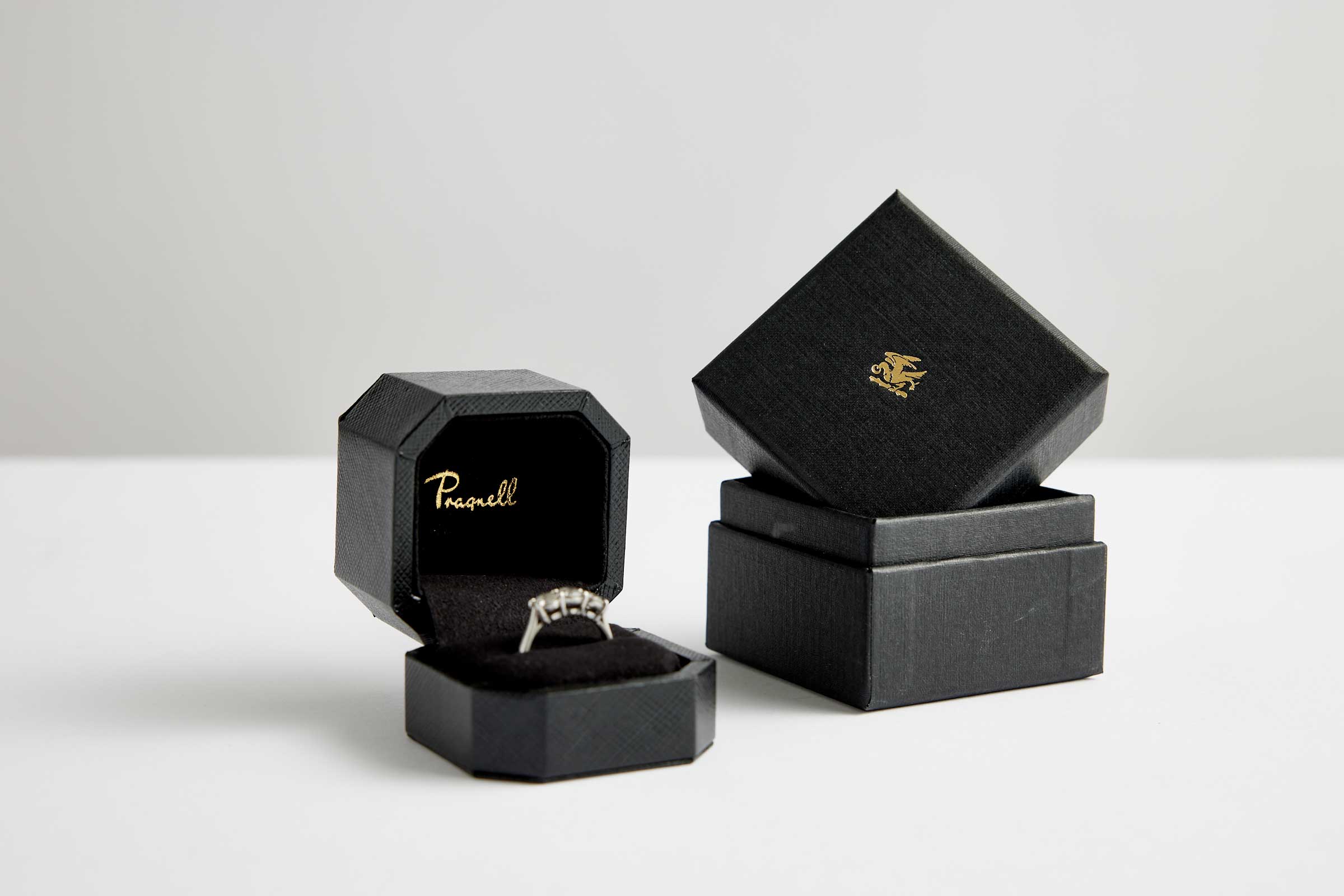
There is a reason every engagement ring in cinematic history is presented in the same kind of box: a small, hinged, velvet-lined cube that snaps shut with a satisfying click. The format has barely changed in eighty years. That is not because the industry is stuck in the past. It is because the psychology of presenting a small high-value object inside a tactile, weighty, deliberately ceremonial container is one of the most reliable triggers of perceived value in commerce.
Custom jewellery boxes UK suppliers know this intuitively, but the academic research behind it is worth reading. The same packaging principles that make a £200 ring feel like a £2,000 ring are the principles that, when neglected, make a £2,000 ring feel like a £200 ring. This piece is about the second category: the brands that underspend on packaging and quietly bleed brand value as a result.
Weight and the Heuristic of Value
A 2010 study by Jostmann, Lakens and Schubert (Psychological Science) demonstrated that participants holding heavier clipboards rated abstract concepts as more important than participants holding lighter clipboards. The effect, called the heaviness-importance heuristic, has been replicated dozens of times in commerce contexts.
For jewellery, this means the weight of the box is doing measurable work on the customer’s perception of the piece inside. Velvet jewellery boxes wholesale orders typically use a 1.5 mm to 2 mm chipboard core wrapped in flocked velvet over a hinged construction. The resulting box weighs roughly 80 to 120 grams empty. A flimsy folded carton equivalent weighs 15 to 25 grams. The difference is small in absolute terms but huge in psychological terms.
Texture and the Haptic Premium
Texture is where jewellery packaging earns its reputation. Velvet (or its flocked synthetic equivalents) creates a microsuede surface that the brain reads as soft, expensive, and protective. Leatherette wraps add a different register: structured, masculine, gallery-like. Suede inserts hold pieces in place without scratching plated surfaces.
Ring boxes wholesale UK orders increasingly specify dual-texture constructions: leatherette outer for shelf presence, velvet inner for the open-the-box moment. The two-texture transition itself becomes a small piece of choreography. The customer opens the harder, more structured outside and discovers the soft, intimate inside. That contrast is the moment value is felt.
The Closure Click
Hinged jewellery boxes with magnetic or sprung closures produce a small, audible, sometimes physical click when they shut. That click is one of the most underrated design features in packaging. It signals finality. It signals craft. It tells the customer that whatever just happened was deliberate and complete.
Earring boxes wholesale UK and watch boxes custom UK suppliers know this and engineer the closures specifically to produce the right sound. Cheap hinges produce a flat, plastic-y click that immediately downgrades the perception of the contents. Quality hinges produce a deeper, more resonant click that carries weight without sounding heavy.
Colour, Finish, and the Silent Contract With the Customer
Jewellery packaging colour does heavy semiotic work. Deep blues (Tiffany being the obvious example) signal heritage and luxury. Matte blacks signal modernity, design-led brand identity, and slight rebellion.
Soft creams and dusty roses signal romance and giftability. Custom jewellery packaging UK clients now experiment with two-tone constructions: a blacked-out outer sleeve over a coloured rigid inner, for example, that adds a reveal moment between purchase and unboxing.
Finishes matter as much as colour. Soft-touch lamination over a matt black wrap costs roughly £0.08 to £0.15 more per unit than standard matt lamination but produces a noticeably superior tactile experience. Hot-foil branding (silver, gold, copper) outperforms metallic ink printing in every measurable way: better edge definition, deeper colour, longer durability.
Where Indie Jewellers Usually Overspend or Underspend
Three patterns we see repeatedly. First, indie jewellers underspend on the outer presentation box and overspend on inner velvet inserts. The inner is important, but the outer is what creates the moment before the inner is revealed. Second, brands order large MOQs of generic-shaped boxes from overseas suppliers, then discover their custom piece does not fit and rework the entire packaging system at higher cost.
Third, brands underestimate how often the box itself gets photographed, kept, and reused, and miss the brand-building opportunity that comes with quality interior printing.
Jewellery box supplier London-based clients in particular have started commissioning bespoke inner-lid printing (a foiled monogram, a hand-illustrated brand mark, a quote) to extend the brand’s visual presence into the moment the customer reopens the box for the tenth time.
Pouches, Boxes, and the Case for Both
Many UK jewellers run a dual-packaging system: a fabric pouch (velvet, microsuede, or organza) for the jewellery itself, plus an outer rigid presentation box. The pouch protects the piece in storage and during repeat handling; the box provides the ceremonial unboxing.
The two-tier system works particularly well for pieces priced between £80 and £400 where customers expect a gift-ready presentation but the unit economics cannot support a fully bespoke rigid box. Pouches at this price point typically run £0.40 to £0.90 each, while the outer box might run £1.50 to £3.00. Combined cost stays under 5% of retail price for most pieces.
Aftercare Cards, Polishing Cloths, and the Extended Unboxing
Premium jewellery packaging now routinely includes a polishing cloth, an aftercare card, and sometimes a small velvet drawstring bag for travel. These additions cost very little (£0.30 to £0.80 per unit combined) but signal to the customer that the brand cares about the piece’s longevity.
The aftercare card serves a secondary function: it captures the customer’s email or social handle in exchange for piece-specific care instructions delivered digitally. This converts packaging into a CRM acquisition channel, which is one of the highest-leverage moves in indie jewellery retail.
Recommended Packaging Investment by Price Tier
If you are a UK jeweller deciding how much of your unit margin to allocate to packaging, the rule of thumb that works for most independents is between 3% and 6% of retail price. Pieces priced under £80 land at the lower end of that range with simple printed gift boxes. Pieces between £80 and £400 sit in the middle with hinged rigid boxes plus fabric pouches. Pieces above £400 sit at the upper end with fully bespoke presentation packaging.
Going significantly below those percentages risks underselling the piece. Going significantly above typically does not produce proportional uplift in customer perception unless the packaging itself is genuinely novel or includes meaningful additions like personalised engraving on the box.
The wedding and engagement segment is the one exception where packaging investment routinely exceeds 6% of retail price because the moment of presentation is the entire purchase reason.
The Bottom Line
Jewellery is one of the few product categories where the packaging is genuinely inseparable from the product. A loose ring in a paper envelope is a different product than the same ring presented inside a weighted, velvet-lined, hinged box. The piece is identical.
The experience is not. For jewellers competing in a market where the actual metal-and-stone differences between competitors are often minor, the packaging becomes the meaningful differentiator. The brands that understand this are the brands that survive the volatility of the jewellery retail market. Everyone else is competing on price, and price is the worst battlefield in jewellery.
 jenniferthomas8891
  deepakkumar902390
  shamshaider