
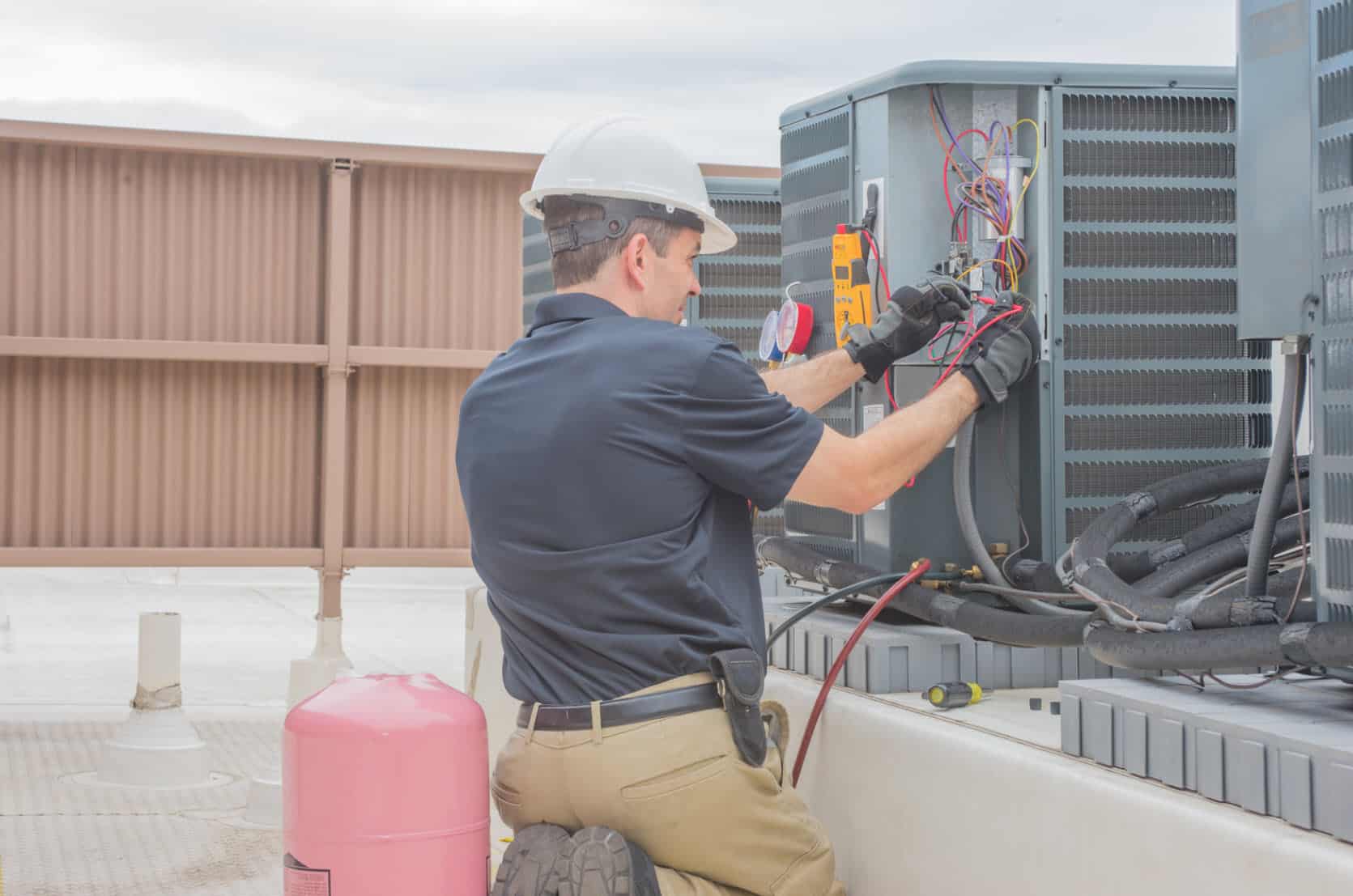
Heating, ventilation, and air conditioning (HVAC) systems are essential in maintaining indoor comfort in homes, offices, hospitals, and industrial spaces. However, traditional HVAC systems often work on manual settings or basic thermostats, which can lead to energy wastage, uneven cooling or heating, and higher operational costs. This is where Best HVAC automation comes into the picture. It brings intelligence, control, and efficiency to climate management systems by using advanced sensors, controllers, and smart technologies.
What is HVAC Automation?
HVAC automation refers to the use of smart systems and control technologies to regulate heating, cooling, and ventilation automatically based on real-time environmental conditions. Instead of relying on manual adjustments, automated HVAC systems use data from sensors and programmed algorithms to maintain optimal indoor temperature, humidity, and air quality.
These systems can adjust operations based on occupancy, weather conditions, time schedules, and energy usage patterns. In simple terms, HVAC automation makes climate control smarter, more responsive, and energy-efficient.
How HVAC Automation Technology Works
Modern HVAC automation systems are built on a combination of hardware and software technologies. At the core are sensors that continuously monitor environmental conditions such as temperature, humidity, air quality, and occupancy levels.
These sensors send data to a central control system or Building Management System (BMS). The controller processes this data and decides how the HVAC equipment should operate. For example, if a room is empty, the system may reduce cooling or heating to save energy. If CO2 levels rise, ventilation is increased automatically.
In many advanced systems, Artificial Intelligence (AI) and Machine Learning (ML) are also used to predict usage patterns and optimize performance. Internet of Things (IoT) connectivity allows remote monitoring and control through smartphones or cloud platforms, making the system more flexible and user-friendly.
Key Benefits of HVAC Automation
One of the biggest advantages of HVAC automation is improved energy efficiency. Since the system only operates when and where needed, it significantly reduces unnecessary power consumption.
Another important benefit is enhanced comfort. Automated systems maintain consistent indoor temperatures without sudden fluctuations. They also adjust airflow and humidity levels to create a more comfortable environment for occupants.
HVAC automation also helps in predictive maintenance. By continuously monitoring system performance, it can detect early signs of malfunction or inefficiency. This allows technicians to fix issues before they turn into major breakdowns, saving both time and repair costs.
In commercial buildings, automation improves operational control. Facility managers can monitor multiple systems from a single dashboard, making it easier to manage large infrastructure efficiently. Additionally, remote access features allow adjustments even when managers are off-site.
Technology Behind HVAC Automation
Several advanced technologies work together to make HVAC automation possible:
1. Sensors and Smart Devices:
These devices collect real-time data such as temperature, humidity, CO2 levels, and occupancy. They are the foundation of any automated HVAC system.
2. Building Management Systems (BMS):
A BMS acts as the central control hub where all HVAC operations are monitored and managed. It integrates different systems like lighting, security, and energy management.
3. IoT (Internet of Things):
IoT enables devices to communicate with each other and share data over the internet. This allows real-time monitoring and remote control of HVAC systems from anywhere.
4. AI and Machine Learning:
AI helps in analyzing data patterns and predicting future requirements. For example, it can learn peak usage times and adjust cooling or heating in advance.
5. Cloud Computing:
Cloud platforms store and process large amounts of data, making it easier to analyze system performance and generate insights.
Applications of HVAC Automation
HVAC automation is widely used across various sectors due to its efficiency and adaptability.
In residential buildings, it helps homeowners maintain comfortable living conditions while reducing energy bills. Smart thermostats and mobile apps allow users to control temperature settings remotely.
In commercial offices, automation ensures a productive working environment by maintaining consistent air quality and temperature. It also helps businesses reduce operational costs significantly.
In hospitals and healthcare facilities, precise temperature and humidity control is critical. HVAC automation ensures sterile environments in operation theaters, labs, and patient rooms.
In industrial facilities, automated HVAC systems help regulate conditions required for manufacturing processes and protect sensitive equipment from overheating or contamination.
In shopping malls and public buildings, automation helps manage large crowds by adjusting ventilation and cooling based on occupancy levels.
Challenges in HVAC Automation
Despite its advantages, HVAC automation does come with certain challenges. Initial installation costs can be high, especially for large buildings. Integration with existing systems may also require technical expertise. Additionally, cybersecurity is an important concern since IoT-based systems are connected to networks and can be vulnerable to cyber threats if not properly secured.
However, with continuous technological advancements, these challenges are becoming easier to manage, and adoption is steadily increasing.
Conclusion
HVAC automation represents a major step forward in building management and energy efficiency. By combining sensors, IoT, AI, and smart control systems, it transforms traditional HVAC setups into intelligent systems that adapt to real-time conditions.
Whether in homes, offices, hospitals, or industries, HVAC automation not only improves comfort but also reduces energy consumption and operational costs. As a trusted provider of advanced HVAC solutions, MG Cooling Solution helps businesses and property owners implement smart automation technologies that enhance system performance and sustainability.
As technology continues to evolve, smart HVAC systems are expected to become a standard feature in modern infrastructure, making buildings more efficient, environmentally friendly, and cost-effective for the future.
 taraloc543
  shamshaider
  BillionaireStudio