
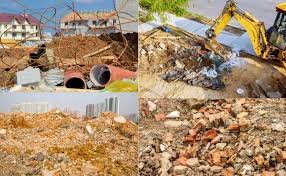
You’ll save time and avoid fines when you sort materials on-site and choose the right disposal route for each type of construction waste. How to Dispose of Construction Waste properly starts with separating reusable and recyclable materials such as wood, metal, concrete, and drywall from hazardous items. Once sorted, you can arrange pickup, schedule drop-off at an ecocentre, or work with a certified C&D (construction and demolition) processor based on local regulations.Start by identifying what you have: salvageable fixtures, clean wood, concrete, gypsum, and hazardous liquids or paints. Knowing what belongs in each pile steers you toward recycling, donation, proper hazardous-waste handling, or municipal bulky-item services. Understanding How to Dispose of Construction Waste the right way can help reduce costs, improve safety, and keep your renovation or demolition project organized.This guide shows how to separate common materials, pick eco-friendly disposal options, and comply with Montréal and Quebec practices so you keep your project on schedule and reduce landfill impact.
Sorting and Separating Materials
Separate materials by type at the point of generation, label containers clearly, and plan separate storage for anything that needs special handling or recycling.
Identifying Recyclable Construction Debris
You should separate common recyclable streams: clean wood, concrete/masonry, metals, cardboard/paper, and uncontaminated drywall.Place clean wood in a dedicated bin for chipping or reuse; avoid painted or treated wood unless a recycler accepts it.Crush or break concrete and brick for aggregate reuse; keep it free of soil and asphalt to improve recycling options.Collect metals (steel, copper, aluminum) by alloy when possible; bundle rebar and cut-offs to simplify transport and improve value.Stack intact doors, windows, and fixtures separately for potential salvage or donation.Label bins and use color-coded signage on-site to prevent cross-contamination and to speed sorting for crews and subcontractors.
Handling Hazardous Waste Safely
Identify hazardous items early: asbestos-containing materials, lead-based paint chips, solvents, adhesives, sealants, and certain paints.Use sealed, labeled containers for liquids and maintain separate, ventilated storage for flammables in approved cabinets.Follow local rules for asbestos and lead: hire licensed abatement contractors when required and don’t mix asbestos debris with general demolition waste.Provide PPE and training for workers handling hazardous materials; document chain-of-custody and disposal manifests for regulated wastes.Locate authorized hazardous waste facilities before work begins and schedule pickups to avoid prolonged onsite storage.
Choosing an Eco-Friendly Disposal Method
Prioritize options that divert materials from landfill, recover value, and meet local regulations. Focus on readily recyclable items and high‑value donations to reduce costs and environmental impact.
Utilizing Local Recycling Centers
Find recycling centers that accept construction materials by checking your city’s solid waste website or calling county transfer stations. Confirm accepted items—concrete, brick, clean untreated wood, metal, drywall, asphalt, and some plastics—because rules vary by center and contamination can trigger refusal fees.Prepare loads by separating materials on site and keeping them clean and dry. Crush or break concrete and brick to save space, bundle scrap metal, and store drywall away from moisture. Ask about tipping fees, load size limits, and any required manifests to avoid unexpected charges.Consider drop-off versus roll-off services. Drop-off works for smaller volumes; roll-off containers suit large renovations. Compare per-ton fees and haulage costs, and document receipts for job accounting or LEED reporting.
Donating Unused Materials
Inventory usable leftover materials—full pallets of tile, unopened bags of cement, surplus lumber, fixtures, and cabinetry—and photograph items with quantity and condition noted. Use local building-material resale stores, Habitat for Humanity ReStores, or community buy/sell groups to move items quickly.Package and label items for safe transport; disassemble large fixtures and palletize loose stock to speed pickup. Verify acceptance criteria—some organizations won’t take partially used hazardous products, treated lumber, or custom-cut pieces.Track donations with receipts and photos to claim tax deductions and to document waste diversion for clients or permitting authorities. Arrange scheduled pickups to avoid onsite clutter and choose organizations that provide free pickup for large volumes when possible.
 bchohan5