
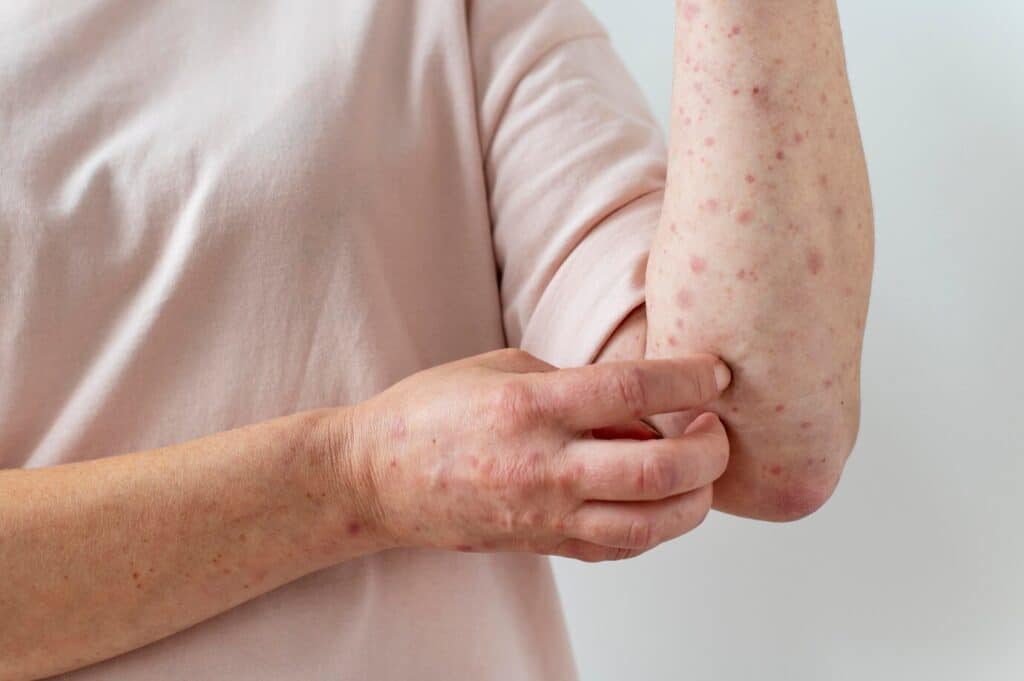
When dealing with a complexion that reacts to almost everything, finding the right care can feel like a constant balancing act. Sensitive skin isn’t just a cosmetic concern; it is a complex physiological state where the skin’s natural protective barrier is compromised. For individuals navigating this challenging skin type, specialized Skin Diseases Treatment in Abu Dhabi offers a scientific, structured pathway to calm irritation, rebuild resilience, and restore long-term skin health.
Rather than relying on trial-and-error skincare routines that often exacerbate inflammation, modern clinical dermatology focuses on identifying the root causes of hyper-reactivity. By integrating advanced diagnostics with tailored therapeutic interventions, targeted dermatological care transforms fragile skin from a state of constant defense to one of lasting strength.
- Barrier Restoration: Professional care focuses heavily on repairing the stratum corneum (the outermost layer of the skin) to stop the cycle of chronic irritation.
- Root-Cause Analysis: Specialized clinical approaches look beyond surface-level symptoms to address underlying inflammatory triggers and genetic predispositions.
- Customized Care: Standardized commercial products are replaced with scientifically validated, non-irritating therapies tailored to the precise needs of fragile skin.
Understanding the Anatomy of Sensitive Skin
To appreciate how specialized dermatological care aids hyper-reactive skin, it is essential to understand what occurs beneath the surface. Sensitive skin is primarily characterized by an impaired epidermal barrier and an overactive immune response. When the lipids that bind skin cells together are depleted, microscopic cracks develop, allowing moisture to escape rapidly while permitting environmental irritants, pollutants, and allergens to penetrate deeply.
This heightened permeability triggers a cascade of inflammatory signals. The skin’s nervous system becomes hyper-sensitized, leading to the frequent sensations of burning, stinging, and tightness that characterize reactive skin. Clinical interventions are specifically engineered to interrupt this cycle by reinforcing cellular cohesion and down-regulating the pathways responsible for chronic inflammation.
The Role of Transepidermal Water Loss (TEWL)
A primary consequence of a compromised skin barrier is an elevated rate of Transepidermal Water Loss (TEWL). When the skin cannot retain its optimal moisture levels, the cellular turnover process becomes erratic, leading to flaking, roughness, and increased vulnerability to external stressors. Dermatological therapies focus on resetting this balance by utilizing biocompatible agents that mimic the skin’s natural lipid structure.
Immune System Hyper-Reactivity
In sensitive skin, the localized immune response is often in a state of constant alert. Microscopic triggers that a healthy skin barrier would easily deflect instead cause a surge in inflammatory cytokines. Specialized clinical treatments help soothe this hyper-reactivity, training the skin to tolerate environmental shifts without mounting an aggressive, inflammatory response.
- Structural Integrity: Sensitive skin suffers from a lack of essential lipids, which creates pathways for irritants to enter the deeper epidermal layers.
- Moisture Depletion: High TEWL rates strip the skin of necessary hydration, resulting in a rough texture and compromised cellular function.
- Neurological Sensitivities: Nerve endings sit closer to the surface in damaged skin, causing heightened sensations of discomfort during daily exposures.
How Specialized Dermatological Care Transforms Sensitive Complexions
Clinical dermatology approaches sensitive skin with a strategy rooted in preservation, calibration, and fortification. Unlike aggressive cosmetic procedures designed to resurface the skin through controlled trauma, therapies for sensitive skin are gentle yet profoundly effective. They prioritize lowering the skin’s reactivity threshold while stimulating the natural production of ceramides, fatty acids, and cholesterol.
Through the use of advanced topical formulations, targeted phototherapies, and cellular-level support, clinical treatments systematically reduce erythema (redness) and strengthen the epidermis. Over time, these interventions help the skin transition from a state of chronic vulnerability to a resilient, self-protecting ecosystem.
Calming Chronic Vascular Reactivity
Many individuals with sensitive skin experience persistent redness caused by dilated or hyper-reactive blood vessels near the surface of the skin. Specialized dermatological therapies target this vascular network, utilizing soothing modalities that constrict overactive vessels and reduce visible flushing without disturbing the surrounding tissue.
Cellular Repair and Regeneration
True healing occurs when the deeper layers of the epidermis are stimulated to produce healthy, robust cells. Advanced clinical care introduces biocompatible nutrients and signaling molecules that encourage proper cellular differentiation, ensuring that when new skin cells reach the surface, they form a tight, impenetrable shield against the environment.
- Redness Reduction: Targeted therapies actively work to calm the vascular pathways responsible for persistent flushing and facial erythema.
- Enhanced Tolerance: Regular, specialized care gradually raises the skin’s threshold against common environmental and chemical triggers.
- Sustained Cellular Health: Treatments support the natural lifecycle of skin cells, leading to a more uniform, resilient, and smoother surface texture.
Core Pillars of Clinical Care for Fragile Skin
The clinical management of sensitive skin relies on a multi-faceted framework designed to address both immediate discomfort and long-term structural integrity. This approach ensures that the skin receives comprehensive support, moving beyond temporary symptom relief to achieve a fundamental shift in skin health.
Step-by-Step Diagnostic Assessment
Every successful therapeutic journey begins with an in-depth analysis of the skin’s current physiological state. Specialists utilize non-invasive diagnostic tools to measure hydration levels, lipid content, and vascular activity, creating an exact profile of the skin’s unique vulnerabilities.
Target-Specific Topical Therapies
Medical-grade topical applications form the cornerstone of sensitive skin management. These formulations are strictly free from common irritants such as synthetic fragrances, parabens, and volatile alcohols, focusing instead on pure, high-concentration anti-inflammatory agents and barrier-identical lipids.
Advanced Non-Invasive Modalities
When topical care requires amplification, non-invasive clinical modalities are introduced. These can include specialized low-level light therapies that utilize specific, calming wavelengths to accelerate cellular repair, reduce redness, and promote collagen synthesis without generating heat or friction on the delicate skin surface.
- Precision Mapping: Diagnostic tools pinpoint the exact areas of barrier degradation and vascular inflammation for highly targeted care.
- Irritant-Free Formulations: Prescribed topical treatments deliver therapeutic benefits without risking the allergic contact dermatitis associated with commercial products.
- Gentle Innovation: Advanced modalities provide deep-tier healing benefits without disrupting or stressing the fragile surface layer of the skin.
Long-Term Benefits of Investing in Professional Skin Management
Opting for professional guidance to manage sensitive skin yields benefits that extend far beyond immediate aesthetic improvements. When the skin barrier is systematically rebuilt and maintained under expert supervision, the entire aging process of the skin is positively influenced, and the likelihood of developing secondary skin complications is drastically reduced.
Chronic inflammation is a known accelerator of premature skin aging, a phenomenon often referred to as “inflammaging.” By keeping inflammation strictly controlled through targeted dermatological care, the skin’s collagen and elastin networks are preserved. Furthermore, a strong, healthy barrier is naturally better equipped to defend itself against daily environmental oxidative stress.
Preservation of Modern Collagen Networks
When skin is constantly irritated, enzymes that break down collagen are activated at a higher rate. Keeping the skin in a calm, balanced state protects these vital structural proteins, maintaining natural firmness and elasticity over time.
Prevention of Secondary Sensitivities
An unmanaged, damaged skin barrier allows foreign particles to enter at will, which can lead to the development of new allergic sensitivities over time. Fortifying the barrier effectively closes these entry points, stabilizing the skin’s immune profile for the future.
- Anti-Aging Protection: Controlling chronic inflammation directly prevents the premature breakdown of vital structural proteins like collagen and elastin.
- Stabilized Complexion: Long-term professional management minimizes unpredictable flare-ups, leading to a predictable, reliable skin texture.
- Enhanced Natural Defense: A fully restored epidermal barrier efficiently deflects daily environmental pollutants and oxidative stressors independently.
Frequently Asked Questions
How does clinical skin care differ from over-the-counter products for sensitive skin?
Clinical skin care relies on medical-grade, highly bioavailable ingredients that are formulated to penetrate the skin barrier effectively without containing fillers, artificial fragrances, or common allergens. Unlike standard over-the-counter products that offer generalized hydration, clinical treatments are customized based on precise diagnostic data to target the root biological causes of skin sensitivity and inflammation.
Can individuals with reactive skin undergo advanced dermatological treatments?
Yes. Modern dermatology utilizes a wide array of non-invasive, ultra-gentle modalities specifically designed for highly reactive and compromised skin. These therapies focus on reducing inflammation, calming vascular activity, and promoting cellular repair without utilizing harsh chemical peeling agents, intense heat, or abrasive physical exfoliation.
How many sessions are typically required to see an improvement in skin resilience?
The timeline for skin barrier restoration varies depending on the initial state of the epidermis and individual healing capacities. However, because the natural lifecycle of a skin cell is approximately 28 days, initial improvements in hydration, comfort, and reduced redness are frequently observed within four to six weeks of consistent, specialized care.
Is professional care suitable for skin that is sensitive due to environmental factors?
Absolutely. Environmental factors such as extreme climate shifts, air pollution, and hard water can severely deplete the skin’s natural lipid barrier, leading to acquired sensitivity. Clinical treatments are highly effective at replenishing these lost lipids, lowering transepidermal water loss, and creating a robust shield that protects the skin from harsh external elements.
 stevesmith
 calgaryhomebuyers1