
With petrol prices constantly changing and heavy traffic, fuel costs can easily be a big part of any Pakistani driver’s budget. Engine oil is often overlooked when improving fuel economy. While some car owners may be concerned with driving techniques or tire pressures, others might not consider the importance of selecting and maintaining the proper engine oil for improved fuel economy. Understanding this relationship is important for getting the most out of your vehicle and ensuring its safety on Pakistan’s diverse roads.
The Role of Engine Oil in Fuel Economy
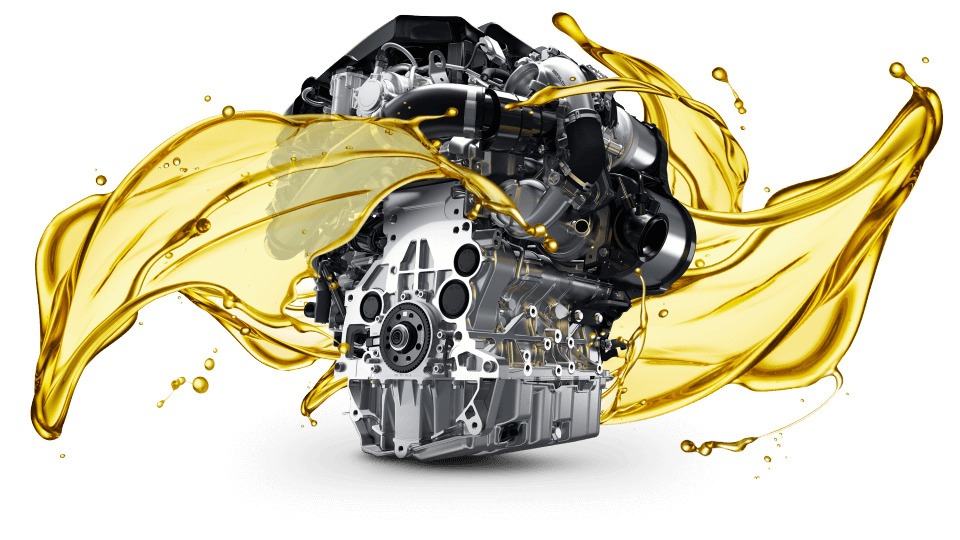
Engine oil is more than just a lubricant. It helps to reduce friction between moving components of the engine, provides heat dissipation, and keeps the engine running at an optimum level. The stop-start nature of driving, rough roads, and hot weather that prevail on Pakistani roads can significantly impact fuel efficiency, and the right engine oil can make a difference. A well-lubricated engine runs smoother, requires less effort from the crankshaft, and consumes less fuel per kilometer.
One of the factors that determines fuel economy is oil viscosity, which is the resistance to flow of the oil. Oils that are too thick will cause more internal engine resistance, which will result in an increase in engine effort and fuel consumption. On the other hand, if the oils are too light, they will not offer adequate protection when temperatures are high, especially in summer months in cities like Karachi, Lahore, and Multan. The right grade of engine oil results in optimum lubrication and minimum energy loss, which has a direct effect on fuel consumption.
How Oil Quality Affects Fuel Efficiency
Not every oil is suitable for use in an engine. The best oils have high-quality additives to minimize friction and sludge formation, and will not degrade at high operating temperatures. Low-quality oils are more prone to break down, particularly in dusty conditions typical in Pakistani highways and rural roads. As the oil degrades, there is more friction, parts wear out faster, and fuel efficiency decreases. Oil change frequency of a high-quality, reputable oil can help you ensure consistent fuel mileage and extend the life of your engine.
In extreme heat and heavy load situations, synthetic oils may even perform better than traditional mineral oils. At start-up, they flow easily, which avoids stress on the engine and withstands thermal breakdown better in the high temperatures of summer in Pakistan. That is, a vehicle operated with the proper synthetic or semi-synthetic oil will have improved gasoline consumption than those operating on degraded or inappropriate oil.
The Importance of Correct Oil Grade
Choosing the right oil grade is essential to ensure maximum use of fuel. Engine manufacturers list the viscosity number (10W-40 or 5W-30) that shows the oil’s flow properties when it is cold and hot. Road temperatures change significantly from place to place and time to time, especially in Pakistan. For example, Murree or Skardu is cooler in the north, while the southern cities can reach above 40°C during summer. The use of an oil grade comparable to that recommended by the manufacturer guarantees that the engine is running at an optimum level in the local climate, saving fuel and keeping the engine running well.
Using the wrong grade of oil (thin or thick) will affect fuel economy. Too thick an oil will cause higher pumping losses, and too thin an oil may not provide adequate protection for the oil, causing wear and loss of efficiency. Hence, it is crucial for every Pakistani driver to take care of the recommended grades of the oil, which are based on temperature and driving conditions, to avoid the issues related to fuel expenses.
Oil Maintenance and Long-Term Fuel Economy
The selection of the proper grade is not the only aspect of oil maintenance. Regular oil changes prevent contamination, which can affect lubrication and cause friction in the engine. Roads in Pakistan, especially in urban areas, present situations where dust and pollution can damage the oil, and where vehicles idle in traffic, which can contribute to oil degradation. The fuel efficiency and mechanical resistance of oil increase with its age or dirt, and this means that even the highest quality oil can achieve only the best results if the oil is changed in time.
It’s also crucial to keep an eye on oil levels. When an engine is low on oil, it creates more friction, and the engine has to work harder to compensate, which increases fuel consumption. Regular checks and proper filling help to maintain the correct fuel economy and optimum lubrication. Adding oil maintenance to a larger vehicle care program — such as changing the filter, checking the tire pressure and having periodic maintenance — reinforces the overall efficiency of the vehicle.
Pakistani Driving Conditions and Fuel Efficiency
Pakistan’s fuel economy is affected not only by the choice of fuel but also by the driving environment. Heavy traffic and numerous traffic lights, as well as roads with poor surface conditions, make for heavier engines. The amount of dust and extreme heat will increase the rate of oil contamination. To ensure fuel efficiency, it is essential that engine oils are stable at high temperature, resistant to oxidation, and able to withstand stress in the oil. These factors can cause drivers, even those who are practicing good driving habits, to consume more fuel.
Practical Advice for Pakistani Vehicle Owners
There are a few things that will help drivers do their part to maximize fuel efficiency. Always use engine oil recommended by the vehicle manufacturer (either grade or type). In regions with extremely warm conditions or where the riding surfaces are very bumpy, synthetic or semi-synthetic oils will be recommended. Secondly, follow the oil change schedule and change the oil filter at the same time to make sure that the oil is circulated clean. Third, keep an eye on the oil levels frequently, especially during long trips and hot weather, to avoid low oil lubrication affecting fuel economy.
So, by paying attention to the quality of the oil, the right oil, and regular maintenance, Pakistani drivers can not only improve their vehicles’ fuel efficiency but also prolong their lifespan. Although small in size, engine oil is an essential part of the efficient performance of your car on Pakistan’s tough roads.
Conclusion
Engine oil is one of the secret ingredients that plays a significant role in fuel efficiency. In Pakistan, where the road climate is harsh, with extreme temperatures and heavy traffic, the properly selected oil will help minimize friction in the road, keep engines running smoothly and boost fuel efficiency. The knowledge of oil viscosity, oil quality and maintenance procedures allow the vehicle owners practical tools that can help them to manage their fuel consumption effectively. The use of informed decision making regarding the engine oil can not only help Pakistani drivers save on fuel costs but also help them prolong the life of their models and save them from any accidents.
 jackmorghan
  seo866