
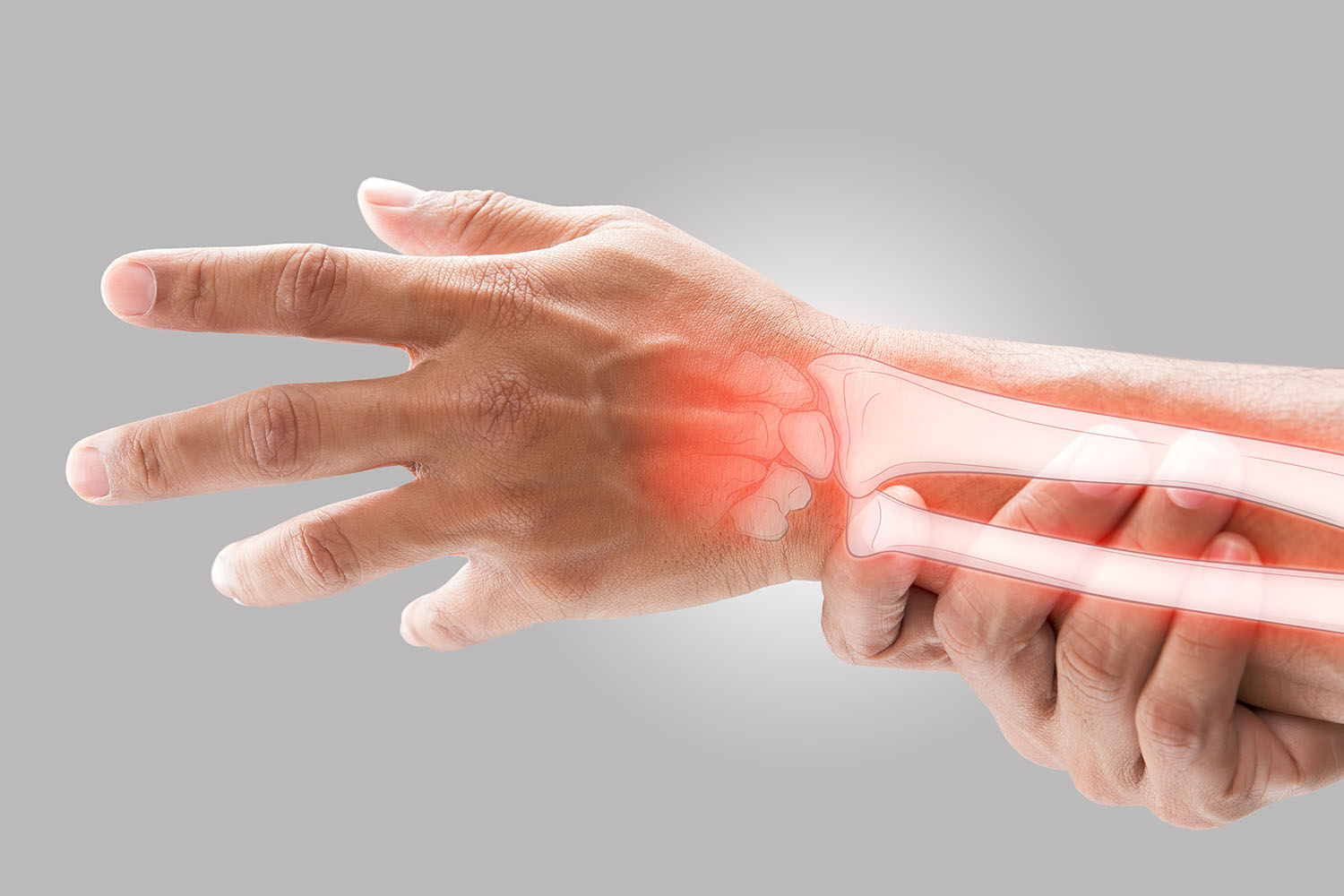
A hand fracture can affect daily life in many ways. Simple tasks like writing, typing, cooking, driving, or lifting objects may become painful and difficult. Hand injuries are common in people of all ages and can happen during sports, falls, workplace accidents, or road accidents.
Getting proper care at the right time is important because the hand contains many small bones, joints, tendons, and nerves that work together. Without correct treatment, a fracture may heal improperly and reduce hand movement or strength.
Many patients seek hand fracture treatment to reduce pain, restore movement, and help the bones heal correctly. Treatment depends on the type of fracture, the location of the injury, and the severity of the damage.
This guide explains the causes, symptoms, diagnosis methods, treatment options, healing stages, and recovery timeline for hand fractures in very simple and easy language.
What Is a Hand Fracture?
A hand fracture means one or more bones in the hand are broken or cracked. The human hand contains 27 bones, including:
- Wrist bones
- Metacarpal bones in the palm
- Finger bones called phalanges
A fracture may be small and stable or severe and displaced. Some fractures remain in proper position, while others move out of alignment and need advanced treatment.
Hand fractures can affect:
- Fingers
- Knuckles
- Palm bones
- Thumb
- Wrist connection area
The severity of the injury decides the treatment plan and healing time.
Common Causes of Hand Fractures
Hand fractures can happen in many situations. Some injuries are mild, while others involve serious trauma.
Falls
Falling on an outstretched hand is one of the most common causes of fractures.
Sports Injuries
Contact sports such as football, basketball, boxing, and martial arts can lead to broken hand bones.
Road Accidents
Motor vehicle accidents can create strong force on the hand and cause multiple fractures.
Workplace Injuries
Heavy machinery, tools, or falling objects may damage hand bones.
Direct Impact
Punching a hard surface or getting hit directly on the hand can fracture the knuckles or fingers.
Osteoporosis
Weak bones are more likely to break even after minor injuries.
Types of Hand Fractures
Different fractures require different treatment approaches.
Stable Fracture
The broken bone remains aligned and may heal with splinting or casting.
Displaced Fracture
The bone moves out of position and may require surgery.
Open Fracture
The bone breaks through the skin. This is a serious condition needing urgent medical care.
Comminuted Fracture
The bone breaks into multiple pieces.
Spiral Fracture
A twisting injury creates a spiral-shaped break.
Stress Fracture
Small cracks develop over time due to repetitive stress.
Symptoms of a Hand Fracture
Symptoms may vary depending on the location and severity of the fracture.
Pain
Pain usually becomes worse during movement or gripping activities.
Swelling
The injured area may swell quickly after trauma.
Bruising
Blue or purple discoloration can appear around the injury.
Difficulty Moving Fingers
Movement may become painful or limited.
Deformity
The finger or hand may appear bent or misaligned.
Tenderness
Touching the injured area often causes pain.
Weak Grip Strength
Patients may struggle to hold objects properly.
Numbness
Severe injuries may affect nearby nerves.
When to See a Doctor
Medical attention is important if you experience:
- Severe pain
- Major swelling
- Visible deformity
- Inability to move fingers
- Numbness
- Open wounds
- Persistent pain after injury
Ignoring symptoms may lead to poor healing and long-term complications.
How Hand Fractures Are Diagnosed
Doctors use several methods to diagnose fractures correctly.
Physical Examination
The doctor checks swelling, pain, deformity, finger movement, and circulation.
X-Rays
X-rays are the most common imaging test for identifying broken bones.
CT Scan
A CT scan may be used for complex fractures involving joints.
MRI
MRI scans help detect soft tissue injuries along with fractures.
Goals of Hand Fracture Treatment
The main goals of treatment include:
- Relieving pain
- Restoring bone alignment
- Protecting hand function
- Improving movement
- Preventing complications
- Helping the hand heal properly
The best treatment depends on the injury type and the patient’s condition.
Non-Surgical Hand Fracture Treatment Options
Many fractures can heal without surgery.
Splinting
A splint supports the hand and limits movement during healing.
Splints are commonly used for:
- Minor fractures
- Stable fractures
- Finger fractures
Patients usually wear splints for several weeks.
Casting
A cast keeps bones stable while healing.
Casts are often recommended when:
- The fracture is stable
- Bones are properly aligned
- Surgery is not necessary
The cast may remain for 3 to 6 weeks depending on healing progress.
Buddy Taping
This method involves taping the injured finger to a healthy finger for support.
It is mostly used for:
- Small finger fractures
- Mild injuries
Pain Medication
Doctors may recommend medications to reduce pain and inflammation.
These may include:
- Anti-inflammatory medicines
- Pain relievers
- Ice therapy recommendations
Activity Modification
Patients should avoid:
- Heavy lifting
- Sports
- Strong gripping activities
- Repetitive hand movements
Rest helps prevent further injury.
Surgical Hand Fracture Treatment Options
Some fractures require surgery for proper healing.
When Surgery Is Needed
Surgery may be recommended if:
- Bones are severely displaced
- Multiple fractures are present
- The fracture is unstable
- Joint surfaces are damaged
- The bone pierces the skin
- Non-surgical treatment fails
Internal Fixation Surgery
Metal devices may hold bones in place during healing.
These devices include:
- Pins
- Screws
- Plates
- Wires
The hardware stabilizes the fracture and helps proper alignment.
External Fixation
An external frame outside the body may support complex fractures.
This method is less common but useful for severe injuries.
Bone Grafting
Bone grafts may help repair fractures with missing bone tissue.
Recovery Timeline After Hand Fracture Treatment
Healing time varies from patient to patient.
Factors affecting recovery include:
- Age
- Fracture severity
- Treatment method
- Overall health
- Smoking habits
- Physical activity level
Below is a general recovery timeline.
Week 1 to Week 2
During the first two weeks:
- Pain and swelling are usually highest
- Immobilization begins
- Ice and elevation help reduce swelling
- Gentle finger movement may be encouraged
Patients should avoid pressure on the injured hand.
Week 3 to Week 6
Bone healing continues during this stage.
Patients may notice:
- Reduced swelling
- Less pain
- Improved comfort
Splints or casts may still be required.
Follow-up X-rays help doctors monitor healing progress.
Week 6 to Week 8
Many fractures begin to heal more strongly around this stage.
Some patients may:
- Start physical therapy
- Begin gentle exercises
- Regain movement gradually
However, heavy activity is still limited.
Month 2 to Month 3
Hand strength slowly improves.
Patients may:
- Return to light work
- Resume some daily activities
- Continue rehabilitation exercises
Recovery speed depends on fracture severity.
Month 3 to Month 6
Most patients experience major improvement by this stage.
The hand becomes:
- Stronger
- More flexible
- Less painful
Sports and demanding activities may gradually resume with medical approval.
Importance of Hand Therapy
Hand therapy plays a major role in recovery.
A therapist may guide patients through exercises that improve:
- Strength
- Flexibility
- Grip function
- Finger movement
- Coordination
Without therapy, stiffness and weakness may continue after healing.
Exercises During Recovery
Exercises should only begin after medical advice.
Common rehabilitation exercises include:
- Finger bending
- Grip strengthening
- Wrist stretches
- Thumb mobility exercises
Overdoing exercises too early may delay healing.
Tips for Faster Recovery
Patients can support healing by following healthy habits.
Follow Medical Instructions
Always wear splints or casts as directed.
Avoid Smoking
Smoking can slow bone healing.
Eat Healthy Foods
A balanced diet rich in calcium and protein supports recovery.
Helpful foods include:
- Milk
- Yogurt
- Cheese
- Fish
- Eggs
- Leafy vegetables
Stay Hydrated
Proper hydration supports overall healing.
Attend Follow-Up Visits
Regular checkups help ensure the bone heals correctly.
Possible Complications of Hand Fractures
Without proper care, complications may develop.
Stiffness
Reduced finger movement may continue after healing.
Chronic Pain
Some patients experience long-term discomfort.
Weak Grip
Hand strength may decrease if rehabilitation is incomplete.
Bone Malunion
The bone may heal in the wrong position.
Arthritis
Joint fractures may increase arthritis risk later.
Nerve Damage
Severe injuries can affect sensation and movement.
Early diagnosis and proper treatment reduce complication risks.
Can Hand Fractures Heal Without Surgery?
Yes, many hand fractures heal successfully without surgery.
Stable fractures often respond well to:
- Splints
- Casting
- Rest
- Rehabilitation
However, unstable or displaced fractures may need surgical correction for proper healing.
How Long Does Pain Last After a Hand Fracture?
Pain usually improves gradually over several weeks.
Mild discomfort may continue during:
- Cold weather
- Heavy activity
- Strong gripping tasks
Severe or increasing pain after healing should be evaluated by a doctor.
Returning to Work After a Hand Fracture
Return-to-work timing depends on:
- Injury severity
- Occupation type
- Recovery progress
Office workers may return earlier than people with physically demanding jobs.
Some patients return within:
- 2 to 6 weeks for light work
- 2 to 3 months for heavy labor
Medical clearance is important before resuming full activities.
Preventing Hand Fractures
While not all injuries can be avoided, prevention tips include:
- Wearing protective sports gear
- Using safety equipment at work
- Avoiding punching hard objects
- Improving balance to reduce falls
- Maintaining strong bones with healthy nutrition
Bone health becomes especially important with age.
Emotional Impact of Hand Injuries
Hand injuries can affect mental well-being because daily tasks become difficult.
Patients may feel:
- Frustrated
- Limited
- Dependent on others temporarily
Recovery takes patience, and following treatment plans carefully helps improve outcomes.
Final Thoughts
A hand fracture can interrupt daily activities and affect comfort, movement, and strength. Early diagnosis and the right treatment approach are important for proper healing and long-term hand function.
options range from splinting and casting to advanced surgical procedures depending on the severity of the injury. Recovery may take several weeks or months, but proper rehabilitation and medical guidance can help patients regain strength and mobility successfully.
If you experience hand pain, swelling, or difficulty moving your fingers after an injury, consulting an experienced orthopedic specialist like Dr Marouane Bouloudhnine can help you receive the right diagnosis and treatment plan for a safe recovery.
 yoyewe8433
  jame.smith
  iffcokisanfinance