
Gulberg homeowners and commercial property owners usually notice solar output drops before they notice the dirt itself. Gulberg solar panel cleaning is the routine removal of dust, bird droppings, leaves, water stains, and oily road grime from photovoltaic panels so sunlight can reach the cells properly.
This guide explains why panels in Gulberg get dirty, how often they should be cleaned, what a safe cleaning process looks like, and how to judge whether cleaning is actually improving performance. The goal is simple: protect panel output without damaging the glass, wiring, frame seals, or roof surface.
What does solar panel cleaning mean for Gulberg rooftops?
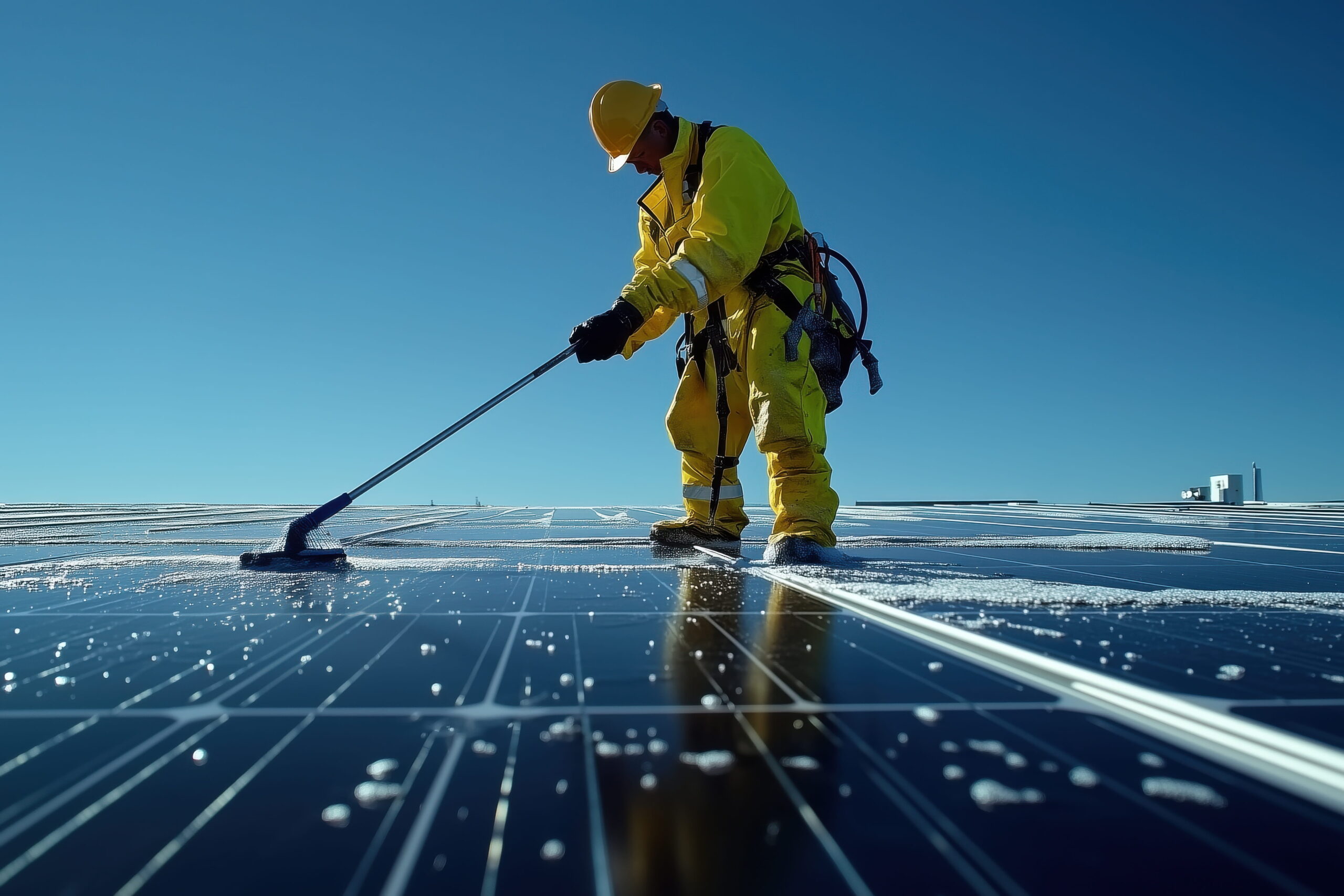
Solar panel cleaning means washing the panel surface with safe water flow, soft equipment, and a method that avoids scratches, thermal stress, and electrical risk. It is not the same as washing a car, spraying a shop shutter, or wiping normal window glass.
Most rooftop systems in Gulberg sit above houses, offices, restaurants, clinics, academies, showrooms, and mixed-use plazas. These roofs collect more than loose dust. Panels often carry fine traffic residue from Main Boulevard, soot from generators, pollen, bird droppings, and cement particles from nearby renovation work.
A clean panel surface lets more sunlight pass through the front glass into the solar cells. A dirty panel blocks part of that light. The effect is not always dramatic in one day, but it becomes visible over weeks, especially during dry spells when there is no proper rain to rinse the glass.
For Lahore properties, the main cleaning mistake is using the wrong pressure, wrong tool, or wrong time of day. AfinitySolar often sees panels cleaned at noon because that is convenient, but hot glass and cold water are a bad mix. Early morning or late afternoon is safer because the panel temperature is lower.
Why do panels get dirty faster in Gulberg?
Panels in Gulberg get dirty faster because the area has dense traffic, active construction, commercial rooftops, and constant airborne dust. A panel on a quiet farmhouse and a panel above a busy Gulberg plaza do not face the same cleaning load.
Gulberg has daily vehicle movement around Liberty Market, MM Alam Road, Main Boulevard, and adjoining commercial lanes. Fine particles settle on flat and tilted surfaces, including solar glass. Add Lahore’s dry summer weeks, and the dust layer can harden into a dull film.
Bird droppings are a separate problem because they create concentrated spots rather than even dust. One hard patch on a panel can shade a small group of cells, and shaded cells can reduce the performance of the affected panel string. Leaves and plastic pieces also collect near panel edges after windy days.
This is why a local cleaning schedule matters more than a generic one. A page about solar panels cleaning services sadar cantt may target a nearby Lahore service area, but Gulberg rooftops have their own pattern because commercial movement and rooftop usage are different.
How often should panels be cleaned in Gulberg?
Most Gulberg solar systems should be inspected every 2 to 4 weeks and cleaned every 4 to 8 weeks, depending on dust level, roof exposure, tilt angle, and system size. After storms, construction work, or heavy bird activity, inspection should happen sooner.
A house in a cleaner residential lane may not need monthly washing. A restaurant roof near exhaust outlets or a plaza facing a busy road may need a shorter interval. Panels with a steeper tilt usually shed dust better than flatter panels, but Gulberg roofs often have mixed structures, water tanks, parapet walls, and shade sources that trap debris.
A simple rule works well: if the panel surface looks grey instead of reflective, or if generation drops without a weather reason, cleaning should be checked. Solar monitoring apps help here. Compare output from similar sunny days, not cloudy days, because weather changes can mislead you.
For nearby local-service planning, a site may also use solar panels cleaning services in Cantt as a separate internal anchor, but the schedule should still be based on the actual roof condition, not only the area name.
What is the safest way to clean solar panels?
The safest method is to clean panels when they are cool, use soft solar-safe brushes or microfiber tools, rinse with controlled water flow, and avoid harsh chemicals. Good Gulberg solar panel cleaning protects both performance and hardware.
Before washing starts, the system should be visually checked for cracked glass, loose wiring, damaged frames, exposed connectors, and weak roof access points. Cleaning should not begin if there is visible electrical damage or unsafe roof footing. Safety beats speed, every single time.
Water quality also matters. Hard water can leave mineral marks when it dries, especially under Lahore heat. If plain water is used, panels should be rinsed properly and not left with dirty runoff at the lower edge. Detergents should be mild and used only when needed because chemical residue can attract more dust.
Avoid metal scrapers, abrasive pads, high-pressure jets close to the glass, and walking on panels. Walking on solar panels can create microcracks that are not always visible immediately. The panel may still work, but output and lifespan can suffer. That is an expensive way to save five minutes. Clown math, basically.
What should be checked before and after cleaning?
Before cleaning, check the panel surface, mounting structure, cable routing, inverter readings, roof access, and nearby shade sources. After cleaning, check that water has drained properly, connectors are dry, panels are not scratched, and generation looks normal on the next clear day.
A pre-cleaning inspection should look for visible hotspots, burn marks, broken glass, loose clamps, rusted mounting points, and hanging cables. These are not cleaning problems; they are maintenance problems. Mixing the two is how people turn a small issue into a spicy bill.
After cleaning, the panel surface should look evenly clear, not streaked. The lower frame edge should not hold mud lines. If dirty water dries along the bottom of the panel, the cleaning was incomplete. On flat commercial roofs, blocked drains can also leave standing water near the mounting structure.
This is where solar plate cleaning services often need to include a basic visual inspection, not just a wash. In Lahore’s weather, dust control and system care work best together because panels, frames, wires, and roof drainage all affect long-term performance.
Can dirty panels really reduce solar output?
Yes, dirty panels can reduce solar output because dust, droppings, and stains block sunlight before it reaches the cells. The exact loss depends on dirt thickness, panel angle, shading pattern, weather, and how long the layer stays on the glass.
A light dust layer may create a small loss. A thick grey layer after weeks of dry weather can create a bigger one. Bird droppings are more serious because they shade concentrated areas, and partial shading can affect the output of connected cells or modules. This is why one ugly patch can matter more than it looks.
Output should be judged by comparison, not guesswork. Compare inverter readings or app data for two clear days with similar sunlight: one before cleaning and one after cleaning. If the system normally makes around 20 units on a clear day and falls to 16 without a weather change, dirt, shade, or a system fault should be investigated.
Gulberg solar panel cleaning is not magic; it cannot fix a faulty inverter, broken panel, weak battery, or poor system design. It only solves the light-blocking problem. That distinction matters because blaming dust for every output issue wastes time.
DIY cleaning or professional cleaning: what makes sense?
DIY cleaning can work for small, low-risk residential systems with easy roof access, but professional cleaning is safer for larger, higher, steeper, or commercial installations. The decision should be based on risk, not ego.
A homeowner can safely rinse accessible panels if the roof is stable, the panels are cool, and no harsh tools are used. The moment the roof is slippery, wiring is exposed, panels are hard to reach, or the system sits above a commercial building, DIY starts looking less clever. Gravity has no refund policy.
A professional solar cleaning company should use solar-safe tools, controlled water pressure, proper access methods, and basic inspection habits. The work should avoid scratches, frame damage, cable disturbance, and unnecessary chemical use. Speed alone is not a quality marker.
For comparison pages, solar panels cleaning company can be used as a broader anchor, but the useful question for a Gulberg property owner is more practical: can the cleaner handle Lahore dust, rooftop access, panel safety, and post-cleaning checks without turning maintenance into damage?
What should a good cleaning record include?
A good cleaning record should include the cleaning date, roof condition, visible dirt level, tools used, any defects noticed, and basic output comparison after cleaning. This turns cleaning from a random chore into trackable maintenance.
For a home system, a simple phone note is enough. Write the date, take two photos before cleaning, two photos after cleaning, and note the next day’s generation if the weather is clear. For a commercial site, records should be more formal because multiple people may handle maintenance over time.
Cleaning records help identify patterns. If panels become dirty again within two weeks, nearby construction, birds, exhaust, or panel angle may be the real issue. If output does not improve after cleaning, the problem may be shading, inverter settings, damaged wiring, or module degradation.
AfinitySolar treats this record-based approach as basic system hygiene, not paperwork for the sake of paperwork. Lahore’s environment changes by season, so the smartest cleaning plan is the one based on actual site behavior.
FAQs about Gulberg solar panel cleaning
What time of day is best for cleaning?
Early morning is usually the best time because panels are cooler, sunlight is softer, and water dries less aggressively. Late afternoon can also work, but cleaning should not be done when the glass is extremely hot.
Can rain clean solar panels properly?
Rain can remove loose dust, but it usually does not remove stuck grime, bird droppings, oily residue, or mud collected along the frame edge. Lahore rain may help temporarily, but it should not replace proper inspection.
Should chemicals be used on solar panels?
Chemicals should be avoided unless there is stubborn residue that water and soft brushing cannot remove. If any cleaner is used, it should be mild, panel-safe, and rinsed completely so it does not leave residue.
How do I know cleaning improved performance?
Compare solar output on similar clear days before and after cleaning. If sunlight conditions are similar and generation rises after cleaning, dirt was likely one of the causes of reduced output.
Key takeaway for Gulberg property owners
Clean panels are not about appearance; they are about keeping sunlight moving through the glass and into the cells with minimum loss. In Gulberg, dust, traffic residue, birds, and commercial rooftop activity make cleaning a real maintenance need, not a cosmetic extra.
The practical approach is simple: inspect often, clean when conditions justify it, use safe tools, avoid hot-panel washing, and track output after cleaning. Done properly, Gulberg solar panel cleaning helps protect daily generation without creating avoidable damage.
 tasha.live
  carelsbuttler
  801asphalt