
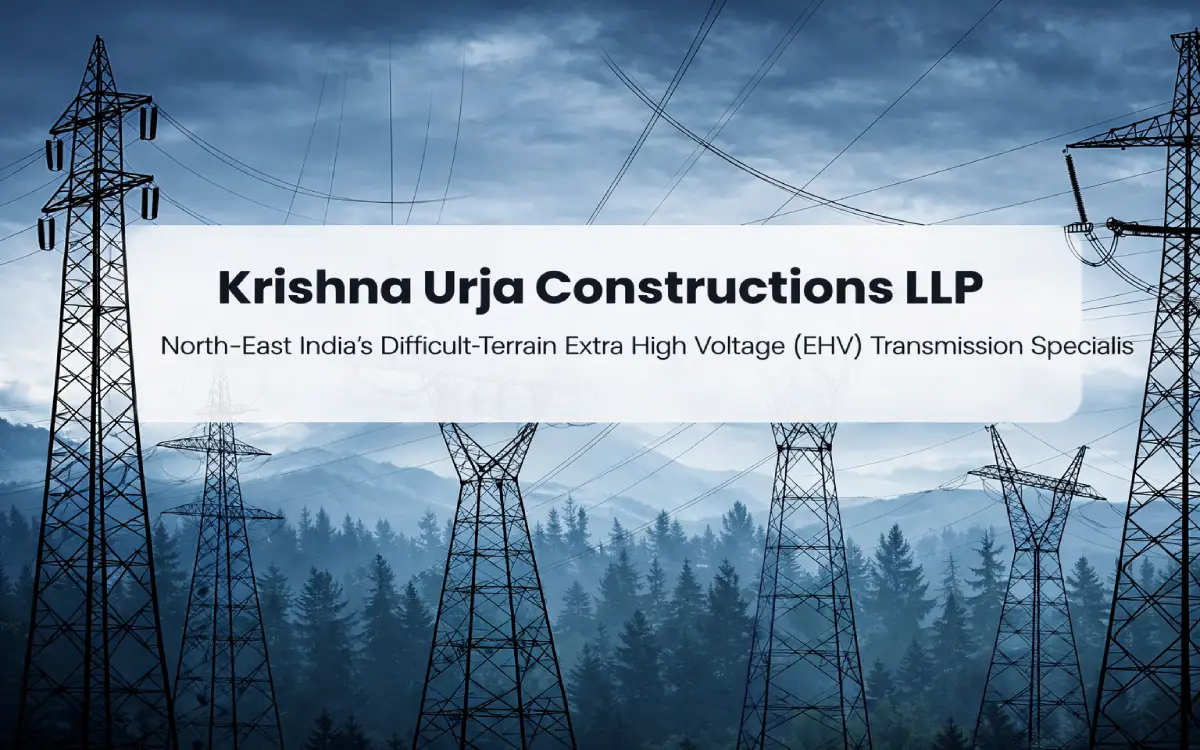
Modern power systems depend on strong transmission infrastructure to move electricity safely over long distances. As industries grow, cities expand, and renewable energy projects increase, the demand for reliable transmission networks is becoming more important every year.
Across many regions, governments and utility companies are investing heavily in stronger electrical grids. These systems help reduce transmission losses, improve power quality, and support future energy demand.
In this growing sector, EHV Transmission Line EPC plays a major role in planning, designing, constructing, and maintaining high-capacity power transmission systems. These projects are essential for carrying electricity from power generation stations to substations and distribution networks efficiently.
Understanding EHV Transmission Systems
EHV stands for Extra High Voltage. These transmission systems usually operate at voltage levels above 220 kV. Some common EHV transmission levels include 400 kV, 765 kV, and even higher in certain regions.
The main purpose of EHV systems is to transmit large amounts of electrical energy over long distances with minimal energy loss. High voltage transmission reduces current flow, which helps lower transmission losses and improves overall efficiency.
EHV transmission lines are commonly used to:
- Connect generating stations to national grids
- Transfer electricity between states or regions
- Support industrial power demand
- Integrate renewable energy projects
- Improve grid reliability and stability
These systems form the backbone of modern electrical infrastructure.
What Does EPC Mean in Transmission Projects?
EPC stands for Engineering, Procurement, and Construction. In transmission projects, an EPC contractor handles the entire project lifecycle from start to finish.
An EPC company is responsible for:
- Engineering and design
- Material procurement
- Site preparation
- Tower erection
- Foundation work
- Stringing conductors
- Testing and commissioning
- Project management
Using the EPC model helps ensure better coordination, cost control, and timely project execution.
Importance of EHV Transmission Line EPC in Modern Grids
Modern electricity grids are becoming more complex due to increasing demand and renewable energy integration. Large transmission systems are now needed to connect remote generation sources with populated areas.
Supporting Renewable Energy Integration
Many solar and wind power projects are located far from cities and industrial zones. EHV transmission lines help transport renewable power from remote areas to major load centers.
Without strong transmission infrastructure, renewable energy cannot be fully utilized.
Reducing Transmission Losses
Electricity losses during transmission can affect system efficiency. EHV systems reduce losses by operating at higher voltages, allowing power to travel longer distances more efficiently.
Improving Grid Stability
A strong transmission network helps maintain grid balance and reduces the risk of large-scale power failures.
Meeting Industrial Growth
Industries require stable and uninterrupted power. EHV systems support growing industrial corridors, manufacturing hubs, and infrastructure development.
Major Components of EHV Transmission Line Projects
An EHV transmission project involves several technical components that work together to ensure safe power transfer.
Transmission Towers
Transmission towers support conductors and maintain safe clearances from the ground and nearby structures.
Different types of towers are used depending on terrain and line requirements, such as:
- Suspension towers
- Tension towers
- Angle towers
- Terminal towers
Tower design depends on factors like wind speed, conductor weight, and terrain conditions.
Conductors
Conductors carry electrical current through the transmission system. Common conductor types include:
- ACSR conductors
- AAAC conductors
- HTLS conductors
The selection depends on current carrying capacity and project requirements.
Insulators
Insulators prevent electrical leakage between conductors and towers. High-quality insulators are important for safe operation under harsh environmental conditions.
Foundations
Tower foundations provide structural stability. Foundation design depends on:
- Soil condition
- Water level
- Tower load
- Terrain characteristics
Strong foundations are essential for long-term reliability.
Ground Wires and Protection Systems
Ground wires protect transmission lines from lightning strikes and improve system safety.
Modern systems may also include optical ground wire (OPGW) for communication and monitoring purposes.
Key Stages in EHV Transmission Line EPC Projects
Every transmission line project follows a systematic execution process.
Survey and Route Planning
The first step involves route surveys and feasibility studies. Engineers identify the most suitable alignment while considering:
- Terrain
- Forest areas
- Rivers
- Roads
- Villages
- Environmental impact
Modern survey techniques use drones, GIS mapping, and satellite imaging for better accuracy.
Engineering and Design
The engineering stage includes:
- Tower design
- Electrical calculations
- Foundation design
- Structural analysis
- Safety planning
Detailed engineering ensures the project meets technical standards and regulatory requirements.
Procurement of Materials
Materials are procured according to project specifications. This includes:
- Towers
- Conductors
- Insulators
- Hardware fittings
- Ground wires
Quality control during procurement is very important for long-term system performance.
Civil and Foundation Work
Foundation construction begins after route clearance and site preparation.
Different foundation types may be used based on terrain conditions, including:
- Pad foundations
- Pile foundations
- Rock foundations
Proper curing and testing ensure foundation strength.
Tower Erection
Tower members are assembled and erected using cranes or manual methods depending on accessibility.
Safety procedures are strictly followed during erection activities.
Stringing of Conductors
Conductors are installed using tension stringing equipment to avoid damage and maintain proper sag and tension.
This stage requires skilled manpower and specialized machinery.
Testing and Commissioning
Before energization, the entire transmission system undergoes various tests, including:
- Electrical testing
- Mechanical inspection
- Grounding verification
- Protection system checks
After successful testing, the line is commissioned for operation.
Challenges in EHV Transmission Line EPC Projects
Transmission projects often face several technical and operational challenges.
Difficult Terrain
Mountain regions, forests, deserts, and river crossings create logistical difficulties during construction.
Special equipment and careful planning are needed in such conditions.
Right of Way Issues
Obtaining land access and route clearance can delay projects. Coordination with local authorities and communities is often necessary.
Weather Conditions
Heavy rain, storms, snow, and high winds can affect construction schedules and worker safety.
Material Transportation
Transporting heavy materials to remote locations can be difficult and costly.
Environmental Regulations
Transmission projects must follow environmental and forest clearance regulations to reduce ecological impact.
Safety Requirements in EHV Transmission Projects
Safety is one of the most important aspects of transmission line construction.
EHV systems operate at extremely high voltages, making strict safety practices necessary.
Important safety measures include:
- Use of personal protective equipment
- Proper grounding procedures
- Regular safety training
- Fall protection systems
- Equipment inspections
- Emergency response planning
Maintaining safety standards helps protect workers and nearby communities.
Technologies Improving EHV Transmission Line EPC
Technology is transforming modern transmission projects by improving speed, safety, and accuracy.
Drone Surveys
Drones are now widely used for route surveys, inspections, and monitoring inaccessible areas.
Benefits include:
- Faster surveys
- Reduced manpower
- Improved accuracy
- Better safety
GIS and Digital Mapping
Geographic Information Systems help engineers analyze terrain and optimize transmission routes.
Smart Monitoring Systems
Modern EHV lines use sensors and monitoring systems to track:
- Line temperature
- Conductor sag
- Fault conditions
- Weather impact
This helps improve maintenance and system reliability.
Advanced Conductors
New conductor technologies provide:
- Higher current carrying capacity
- Lower sag
- Better thermal performance
These conductors improve transmission efficiency without major infrastructure expansion.
Importance of Quality Control in EPC Projects
Quality control is essential throughout the project lifecycle.
Poor construction quality can lead to:
- System failures
- Increased maintenance
- Power interruptions
- Safety risks
Quality assurance includes:
- Material testing
- Welding inspections
- Foundation testing
- Tower alignment checks
- Electrical testing
Continuous monitoring ensures long-term performance and reliability.
Environmental Considerations in EHV Projects
Modern transmission projects aim to reduce environmental impact as much as possible.
Common environmental practices include:
- Minimizing tree cutting
- Managing construction waste
- Preventing soil erosion
- Protecting wildlife habitats
- Using eco-friendly construction methods
Proper planning helps balance infrastructure development with environmental protection.
Role of Skilled Workforce in Transmission EPC
Large transmission projects require experienced engineers, technicians, and construction teams.
Key professionals involved include:
- Electrical engineers
- Civil engineers
- Survey teams
- Safety officers
- Project managers
- Skilled technicians
A trained workforce helps improve project efficiency, quality, and safety.
Future of EHV Transmission Infrastructure
The future of transmission infrastructure is closely linked to global energy transition goals.
Several trends are shaping the future of EHV systems:
Expansion of Renewable Energy
More renewable energy projects will increase the need for long-distance transmission networks.
Smart Grid Development
Digital technologies will improve grid monitoring, automation, and fault management.
Ultra High Voltage Systems
Many countries are exploring ultra high voltage systems for bulk power transfer across very long distances.
Grid Interconnections
Cross-border and regional grid interconnections will improve power sharing and energy security.
Sustainable Construction Practices
Future projects will increasingly focus on environmentally responsible construction methods.
Why EPC Expertise Matters in High Voltage Projects
EHV transmission projects are highly technical and require strong coordination between engineering, procurement, and construction activities.
An experienced EPC contractor can help ensure:
- Proper project planning
- Timely execution
- Cost control
- Safety compliance
- Quality assurance
- Reliable long-term operation
Efficient project management becomes especially important for large-scale and remote transmission projects.
Conclusion
The development of modern power infrastructure depends heavily on reliable transmission systems. As electricity demand continues to rise, high-capacity transmission networks are becoming essential for supporting industries, renewable energy integration, and national grid stability.
Today, EHV Transmission Line EPC services are playing a critical role in building efficient and durable power transmission systems for the future. From engineering and procurement to construction and commissioning, every stage requires technical expertise, safety management, and quality execution.
Companies like Krishna Urja Constructions LLP contribute to the growth of transmission infrastructure by supporting complex high-voltage projects with professional EPC solutions.
 thomasedward1
  Henry
Henry  Santiago52