
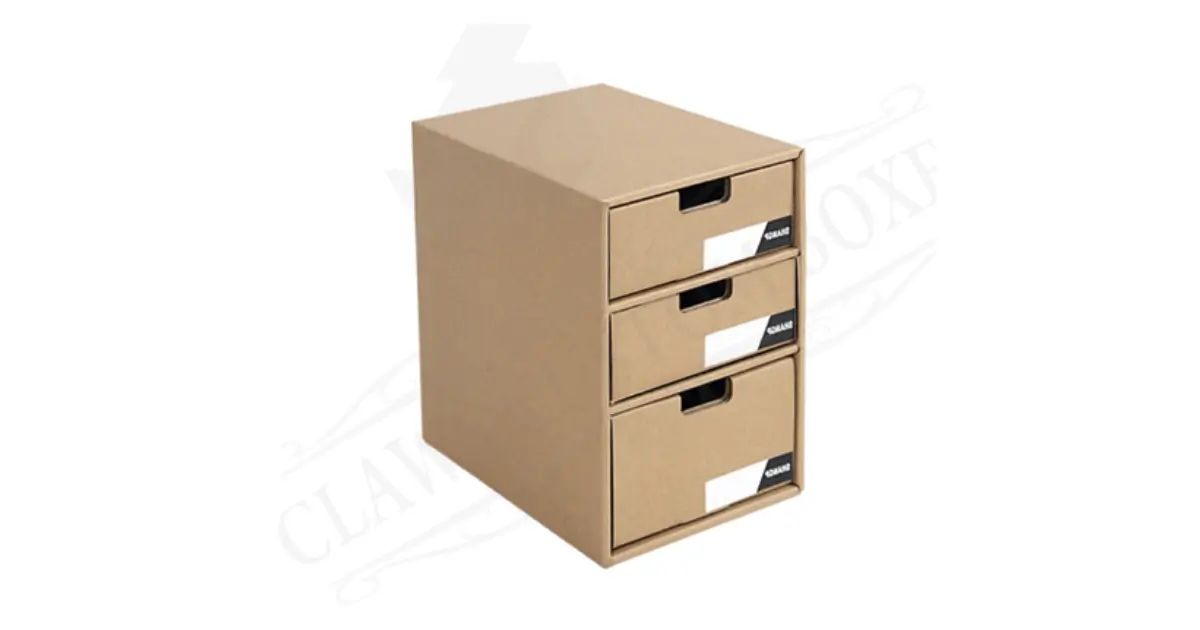
You spent years building your music collection. Every disc means something — a favourite album, a live recording you found at a car boot sale, a limited edition you hunted down for months. Your collection has real value, both in money and in memories.
But here is something most people do not think about until it is too late: CDs are more fragile than they look. Dust, moisture, heat, and even light can slowly damage a disc without you ever noticing. By the time you see the signs, the damage is already done.
CD disc storage boxes are one of the simplest and most effective ways to protect what you have collected. They block the things that cause damage and give your discs a safe, stable home for years to come.
Why Valuable CDs Need More Than a Shelf
Most people store their CDs in one of two ways. They either line them up on an open shelf in their jewel cases, or they leave them in a pile somewhere they can reach them easily.
Both methods feel fine at first. But over time, both expose your discs to things that cause real damage.
An open shelf lets dust settle on your cases every single day. It gives humidity in the air free access to your discs. It puts your collection in the path of any sunlight that comes through the room. And if anything knocks a case off the shelf, you are one drop away from a cracked hinge and a scratched disc.
A pile is even worse. Discs touch each other, cases crack under pressure, and finding a specific album means handling every disc in the pile to get to it.
CD disc storage boxes solve these problems by giving your collection a proper enclosed home — one that is designed specifically to protect compact discs from the things that damage them.
What Actually Damages CDs Over Time
Before we look at how storage boxes help, it is useful to understand exactly what you are protecting against. There are four main threats to any CD collection.
Dust and Debris
Dust seems harmless, but it is one of the most common causes of disc read errors. When tiny particles land on a disc surface and get pressed into it during playback, they create scratches the laser cannot read past cleanly. A disc that plays fine today can start skipping regularly once enough dust damage has built up.
Open shelving and loose piles let dust settle freely. An enclosed storage box keeps it out.
Moisture and Humidity
This is the big one. Moisture causes a problem called disc rot — a process where the reflective metal layer inside a CD begins to break down. When this happens, the disc becomes unreadable. There is no fix. The damage is permanent.
Disc rot develops slowly and silently. You might not notice anything wrong for months or years. Then one day you try to play a disc and it will not work at all. Keeping discs in sealed or close-fitting storage containers dramatically reduces the moisture exposure that causes this.
The ideal humidity level for storing CDs is between 20% and 50%. Standard open shelving in most homes offers no control over this whatsoever.
Heat and Light
High temperatures cause the polycarbonate layer of a disc to warp. Once a disc is warped, it often cannot be read properly by a player. Repeated temperature swings — warm in the day, cool at night — put stress on the disc structure over time.
UV light from sunlight and even from bright indoor lighting degrades the disc surface layer. Discs left near windows are at particular risk. A storage box keeps discs in a dark, stable environment away from both heat and light.
Physical Damage
Scratches are the most obvious threat. They happen when discs rub against surfaces, when cases crack and fragments touch the disc, or when discs are handled carelessly. Deep scratches that cross the data tracks cause read errors the player cannot skip over.
A proper storage box holds each disc firmly in place so discs do not slide, rattle, or touch each other during storage.
How CD Disc Storage Boxes Protect Against Each Threat
Now let us look at exactly how a good storage box addresses each of these threats.
Protection from Dust
A storage box with a proper fitting lid creates an enclosed space that dust cannot easily enter. Unlike an open shelf where every surface collects particles every day, the inside of a closed box stays clean between uses.
Many quality boxes have snap-shut or magnetic closures that seal the opening properly. Every time you close the box after getting a disc out, you reset that protection.
Protection from Moisture
Moisture-resistant storage boxes — particularly those made from hard plastic or archival materials — create a barrier between your discs and the damp air outside. Some have rubber gasket seals around the lid that block moisture even more effectively.
For collectors in humid climates or anyone storing discs in a basement, garage, or older home where moisture levels fluctuate, this protection is especially important. Archival CD storage boxes made from chemically stable materials are the gold standard here.
Protection from Heat and Light
When your discs are stored inside a closed box, they are away from direct light. Boxes stored in a cupboard, on a low shelf, or away from windows keep your collection in the dark environment that discs need.
The box material also adds a small buffer against temperature. While no standard storage box is climate-controlled, having an enclosed container reduces the speed at which discs respond to temperature changes. For long-term storage, pairing good boxes with a stable room temperature is the ideal combination.
Protection from Physical Damage
Inside a proper storage box, discs sit in individual slots or compartments separated by smooth dividers. They cannot slide into each other. They cannot fall over. They sit upright and still until you take one out.
The box itself absorbs any knocks from outside. If something bumps the shelf, the box takes the impact rather than the discs inside.
The Extra Benefit: Organisation That Prevents Accidental Damage
Here is something that does not get talked about enough. One of the biggest causes of disc damage is unnecessary handling — picking up discs you do not need while looking for the one you want, pulling cases off a shelf and putting them back, stacking things on top of each other when space gets tight.
Collectors who want the best protection for their music often invest in the best CD storage boxes because they are designed to make organisation easy, which in turn reduces the amount of handling their discs need.
When your collection is sorted by artist, genre, or any system that works for you — and when each section is clearly labelled on the outside of the box — you go straight to what you want. You pick out one disc, play it, and put it back. Everything else stays untouched.
Less handling means fewer opportunities for damage. It is a simple but important point that open shelf systems cannot match.
Different Boxes for Different Levels of Protection
Not all storage boxes offer the same level of protection. Here is a quick guide to the main types and what they do best.
Basic Cardboard Storage Boxes
Cardboard boxes are affordable and widely available. They offer good protection from dust and light, and they keep discs organised. The main weakness is moisture — cardboard can absorb humidity over time. These are well-suited for dry indoor environments and collections that are accessed regularly.
Hard Plastic Storage Boxes
Plastic boxes are more durable than cardboard and handle moisture better. They resist knocks, keep their shape over time, and many have snap-shut lids that seal properly. For most collectors, a good plastic storage box hits the right balance between protection and cost.
Stackable Storage Boxes
Stackable designs are ideal for larger collections. They interlock securely so stacked boxes do not tip or slide. Many come with label slots on the front so you can identify the contents without opening anything. The stackable format also makes it easy to add more boxes as your collection grows without needing extra shelf space.
Archival Storage Boxes
Archival boxes are made from acid-free, chemically neutral materials. They are designed specifically for long-term preservation. Museums, libraries, and professional archivists use them. For any disc that cannot be replaced — a rare pressing, an out-of-print album, a recording with personal significance — archival-grade storage is the right choice.
Simple Habits That Make Storage Boxes Even More Effective
A good storage box does most of the work on its own. But a few simple habits make the protection even better.
Always close the lid properly. It sounds obvious, but leaving a box open between uses undoes the dust and moisture protection completely. Every time you take out a disc, close the box before you walk away.
Store discs vertically. Most storage boxes are designed for this already. Standing discs upright — like books on a shelf — puts even pressure around the hub and avoids the warping that can happen when discs lie flat under their own weight for long periods.
Handle discs by the edges. The oils from your fingertips attract dust and can affect playback over time. Picking up every disc by its edges takes one second and avoids a common source of surface damage.
Keep boxes away from heat sources. Radiators, sunny windowsills, and loft storage spots that get very hot in summer are all poor locations. A cool interior room or a climate-stable cupboard is the ideal spot.
Clean discs before storing them. A disc going into storage with dust or fingerprints on it carries that contamination with it. A quick wipe with a soft lint-free cloth — from centre outward in straight lines, never in circles — takes moments and starts the disc off clean.
What Happens to Discs That Are Not Stored Properly
It helps to understand what the alternative looks like over time.
A disc left on an open shelf for five years will have accumulated significant dust. Its jewel case may have cracked at least once. If the room it sits in gets warm in summer and cool in winter, the polycarbonate layer will have experienced repeated thermal stress. If the shelf is near a window, UV exposure will have started degrading the disc surface.
None of this shows up immediately. But at the ten-year mark, discs stored this way begin to show problems. Some skip. Some fail to load. Some develop visible marks or spots that indicate deeper damage.
A disc stored in a proper sealed storage box during those same ten years will look and play as it did when it went in. The environment inside the box stays stable. The disc is untouched between uses. The threats that cause the most damage simply never reach it.
Frequently Asked Questions
Do storage boxes really make that much difference to disc lifespan? Yes. The main causes of long-term disc damage — dust, moisture, UV light, and temperature stress — are all significantly reduced by proper enclosed storage. The difference over five to ten years is noticeable.
How many CDs fit in a standard storage box? It depends on the box size and whether you keep discs in their jewel cases. A typical box holds 30 full jewel cases, 60 slim cases, or up to 150 discs in protective sleeves.
Can I store CDs in their jewel cases inside a storage box? Yes, and this is the recommended approach. The jewel case protects the disc itself, and the storage box protects the jewel case and creates a better environment for the whole collection.
Is archival storage worth the extra cost? For any disc you cannot replace, yes. For out-of-print albums, rare pressings, or any CD with personal meaning, the extra cost of archival materials is a small price for permanent protection.
What is the best place in the home to keep storage boxes? A cool, dry indoor room away from windows and heat sources. Avoid lofts, garages, and bathrooms. A living room cupboard or wardrobe shelf in an interior room is ideal.
Conclusion
Your music collection took real time, money, and passion to build. The discs in it are not just plastic — they are recordings you love, memories attached to albums, and in many cases things you simply could not replace if they were lost.
CD disc storage boxes give your collection the protection it deserves. They block dust, resist moisture, shield discs from light, and hold everything safely in place between uses. They make organisation easy, reduce the handling that leads to accidental damage, and create a stable environment that keeps your discs readable for decades.
The cost is small. The effort to set up a proper system is minimal. And the peace of mind that comes from knowing your collection is genuinely well protected — rather than just sitting on a shelf and hoping for the best — is worth every penny.
 hamcosportsinc
  enfieldroyalclinic