
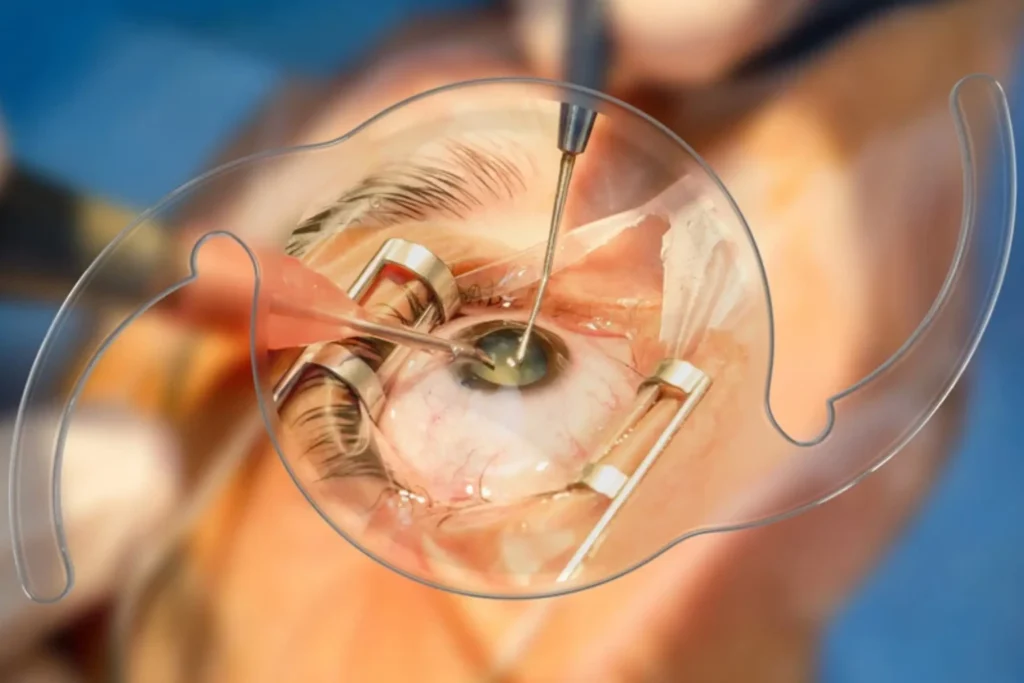
Good vision plays a very important role in our daily life. From reading and driving to using a phone or working on a computer, we depend on clear eyesight for almost everything. As we grow older, certain eye conditions can affect vision, and one of the most common among them is cataract.
If you are searching for a cataract surgeon dubai, it usually means you or someone close to you is experiencing blurred or cloudy vision. Understanding the treatment process can help reduce fear and make you feel more confident about the journey ahead.
This guide explains everything in a simple way—what cataracts are, when you need surgery, how the treatment works, and what to expect before, during, and after the procedure.
What Is a Cataract?
A cataract is a condition where the natural lens of the eye becomes cloudy. Normally, the lens is clear and helps focus light onto the retina, allowing you to see clearly. But when a cataract develops, the lens becomes foggy, making vision blurry.
Common symptoms include:
- Blurred or cloudy vision
- Difficulty seeing at night
- Sensitivity to light
- Seeing halos around lights
- Faded or yellowish colors
- Frequent change in glasses number
Cataracts usually develop slowly, which is why many people don’t notice the changes in the beginning.
Why Do Cataracts Happen?
Cataracts are most commonly related to aging, but they can also happen due to other reasons.
Main causes:
- Aging (most common)
- Diabetes
- Eye injuries
- Long-term use of certain medicines
- Smoking and alcohol
- Excess exposure to sunlight
- Genetic factors
No matter the cause, cataracts can be treated effectively with surgery.
When Should You See a Cataract Surgeon?
You should consult a specialist when your vision starts affecting your daily activities. Cataracts do not always require immediate surgery, but they should be monitored.
Signs you may need treatment:
- Difficulty reading or watching TV
- Trouble driving, especially at night
- Vision not improving with glasses
- Increased glare sensitivity
A detailed eye examination will help determine the right time for surgery.
Diagnosis: What Happens During Eye Check-Up?
Before recommending treatment, the doctor performs a complete eye examination.
Common tests include:
- Vision test (checking how clearly you see)
- Slit-lamp examination (examining the eye structure)
- Retinal exam (checking the back of the eye)
- Eye pressure test
These tests are simple, painless, and usually take less than 30 minutes.
Understanding Cataract Treatment
The only effective treatment for cataracts is surgery. Medicines or eye drops cannot remove cataracts once they have formed.
The goal of surgery is to remove the cloudy lens and replace it with a clear artificial lens.
Types of Cataract Surgery
There are different methods available, depending on the patient’s condition.
1. Phacoemulsification (Most Common)
- Uses ultrasound waves to break the cloudy lens
- Small incision
- Quick recovery
2. Laser-Assisted Cataract Surgery
- Uses advanced laser technology
- More precise and controlled
- Suitable for selected patients
3. Extracapsular Surgery
- Used in advanced cases
- Larger incision required
Your doctor will recommend the best option based on your eye condition.
What Happens Before the Surgery?
Preparation is an important part of the treatment process.
Before surgery, you may:
- Undergo detailed eye measurements
- Choose the type of intraocular lens (IOL)
- Be advised to stop certain medicines
- Use prescribed eye drops
You will also receive instructions about fasting if needed.
Types of Artificial Lenses (IOLs)
After removing the cataract, a new lens is placed inside your eye.
Common types include:
Monofocal Lens
- Corrects vision at one distance (near or far)
Multifocal Lens
- Helps with both near and distance vision
Toric Lens
- Corrects astigmatism
The choice depends on your lifestyle and vision needs.
What to Expect During Cataract Surgery
Many people feel nervous about surgery, but cataract surgery is very safe and quick.
Step-by-step process:
- You will be given local anesthesia (eye drops or injection)
- The eye will be numbed, so you won’t feel pain
- A small incision is made in the eye
- The cloudy lens is broken and removed
- A new artificial lens is inserted
- The incision usually heals on its own
Important points:
- Surgery usually takes 15–30 minutes
- No stitches are required in most cases
- You can go home the same day
Is Cataract Surgery Painful?
No, cataract surgery is generally painless. You may feel slight pressure during the procedure, but there is no sharp pain.
After surgery, mild discomfort or irritation is normal, but it goes away within a few days.
Recovery After Cataract Surgery
Recovery is usually quick, but proper care is very important.
What you may experience:
- Slight redness
- Mild irritation
- Blurred vision for a few days
Do’s after surgery:
- Use prescribed eye drops regularly
- Wear protective glasses
- Avoid rubbing your eyes
- Keep your eyes clean
Don’ts:
- Avoid heavy lifting
- Avoid swimming for a few weeks
- Do not expose eyes to dust or smoke
Most people notice improvement in vision within a few days, but full recovery may take a few weeks.
Follow-Up Visits
After surgery, regular follow-up visits are required.
These visits help:
- Monitor healing
- Adjust medications
- Check vision improvement
Your doctor will guide you on the schedule, usually within 1 day, 1 week, and 1 month after surgery.
Possible Risks and Complications
Cataract surgery is very safe, but like any procedure, it may have some risks.
Rare complications:
- Infection
- Swelling
- Retinal detachment
- Vision changes
These risks are very low, especially when performed by an experienced surgeon.
Benefits of Cataract Surgery
The results of cataract surgery are usually very positive.
Major benefits:
- Clear and improved vision
- Better quality of life
- Reduced dependence on glasses
- Improved night vision
- Better color clarity
Many patients say they feel like they are seeing the world clearly again.
How to Choose the Right Cataract Surgeon
Choosing the right specialist is very important for successful treatment.
Things to consider:
- Experience and qualifications
- Use of modern technology
- Patient reviews and feedback
- Clear communication and guidance
Always choose a clinic where you feel comfortable and well-informed.
Lifestyle Tips to Protect Your Eyes
Even after surgery, maintaining good eye health is important.
Simple tips:
- Wear sunglasses in sunlight
- Eat healthy foods rich in vitamins
- Avoid smoking
- Manage diabetes and blood pressure
- Get regular eye check-ups
These habits can help maintain long-term vision health.
Cost of Cataract Treatment in Dubai
The cost of cataract surgery can vary depending on several factors.
Factors affecting cost:
- Type of surgery
- Type of lens used
- Clinic facilities
- Surgeon’s experience
It is always better to discuss the full cost and available options during consultation.
Final Thoughts
Cataract is a common but treatable eye condition. With modern medical technology, the surgery is safe, quick, and highly effective. Understanding the process can help reduce fear and make you feel more prepared.
If you are considering treatment and looking for expert care, consulting a trusted professional is the best step forward. For reliable guidance and personalized care, you can consult Dr. Mandeep Lamba, who has experience in providing advanced cataract treatment and helping patients achieve clear vision again.
 james971
  carsickolondn4
  warriorhome