
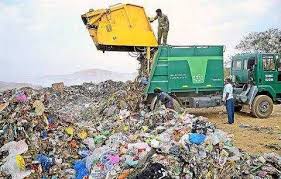
Finding Disposal Bins Near Me doesn’t have to feel like a scavenger hunt. You can quickly locate nearby bin rentals or drop-off sites that match your project size, budget, and schedule by checking local providers and comparing sizes, rates, and pickup options. Whether you’re searching online for Disposal Bins Near Me for a home renovation, yard cleanup, or construction project, choosing the right service can save both time and money.Decide what you need — a short-term roll-off for renovation debris or a smaller drop-off bin for yard waste — and you’ll avoid overpaying or getting stuck with the wrong container. The rest of this article walks you through choosing the right bin size, understanding local rules and permit needs, and scheduling pickup so your cleanup stays on track.
Choosing the Right Bin Size
Pick a bin that matches the type and amount of material you have, and confirm local weight limits and pickup access before ordering. Size choice affects cost, safety, and whether the crew can load or the hauler can collect the container.
Types of Waste Commonly Disposed
Identify the specific materials you will discard. Common categories include:
- Household junk (furniture, boxes, non-hazardous debris) — fits 4–10 yard bins for single-room cleanouts.
- Construction and renovation debris (drywall, lumber, tile) — typically requires 10–20 yard bins; heavier materials may need larger but fewer loads.
- Green waste and yard debris (branches, soil, sod) — bulky but lighter; choose wider, taller bins (10–15 yards) to avoid exceeding weight limits.
- Mixed loads or heavy materials (concrete, brick, asphalt) — use specialized roll-off containers and specify weight upfront; a small bin can reach maximum weight quickly.
Label hazardous items (paint, batteries, asbestos) and exclude them unless the provider accepts special handling. Tell the rental company what you have so they can recommend a container designed for that material and advise on disposal rules.
Volume Estimates for Different Projects
Estimate volume by project type to avoid under- or over-ordering.
- Small room cleanout: 4–6 yard bin (roughly 2–4 pickup truck loads).
- Kitchen or bathroom renovation: 8–12 yard bin (cabinetry, appliances, fixtures).
- Whole-house renovation or major landscaping: 15–20 yard bin (multiple contractor crews’ waste).
- Concrete or tile removal: consider cubic yards plus weight; 10-yard may fill quickly with dense material.
Use simple measures: a 10-yard bin holds about the same as 10 pickup truck loads. When unsure, round up one size to prevent overflow fees and extra trips. Ask the provider if they measure by cubic yards or dimensions to confirm your estimate.
Weight Limit Considerations
Understand that bins have maximum weight limits tied to local hauling and truck capacities. Typical limits vary by provider and material; light debris allows fuller volume, while dense materials hit weight caps long before the bin looks full.
Common practices:
- Providers list weight allowances by bin size (e.g., 2–4 tons). Exceeding limits triggers overweight fees or requires a second bin.
- For heavy waste (concrete, brick, tile), request a bin with higher weight capacity or arrange separate hauling.
- Place heavy items evenly to avoid tipping and to keep the truck within legal axle limits.
Tell the company about heavy loads when booking so they can set the correct truck and price. Keep materials below the bin’s side rails; overfilling can create trip fees or refuse collection.
Local Regulations and Pickup Scheduling
Local rules determine what you can place in bins, where to put them, and when they will be collected. Check permit needs, banned items, and how to contact your hauler for schedule changes.
Permit Requirements and Restrictions
Many municipalities require permits for large or commercial dumpsters placed on public property or streets. You must apply to your city’s public works or transportation department; expect fees, insurance proof, and a site diagram. Residential curbside bins generally do not need permits, but oversized containers or long-term rentals may.Time and placement restrictions also matter. Cities often limit placement to the day before pickup and require bins to be set back from traffic lanes or fire hydrants. Fines can apply for blocking sidewalks, driveways, or for unpermitted overnight street placement.
Accepted and Prohibited Materials
Accepted materials vary by facility and service type. Typical curbside pickup accepts mixed paper, cardboard, certain plastics, glass, and organics if you have a green bin program. Drop-off sites and private haulers may accept construction debris, large appliances, and electronics.Prohibited items commonly include household hazardous waste (paint, solvents, pesticides), batteries, propane tanks, and medical waste. Some locations accept these at special HHW events or stewardship drop-offs—check your municipality’s schedule and the facility’s accepted-material list before you haul anything.
Tips for Coordinating with Service Providers
Confirm pickup days and acceptable container types through your city’s waste collection guide or your hauler’s online map. Enter your address on municipal maps to see accepted materials and nearby drop-off locations, then note curbside collection times and placement rules.If you need a special pickup or a large bin, reserve at least one week ahead and get written confirmation of dates and placement instructions. For hazardous or bulky items, ask about scheduled community round-ups or designated ecocentres to avoid rejected loads and extra fees.

 enfieldroyalclinic
  stevesmith