
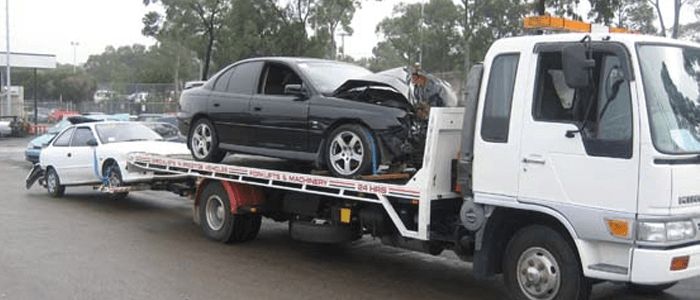
Most drivers think about fuel, tyres, servicing, and insurance. Few stop and think about what happens when a car reaches the end of its life. Old vehicles do not simply disappear. They leave behind metal, fluids, plastics, glass, rubber, and other parts that can affect the environment for many years.
Car recycling plays a major role in reducing waste and lowering pressure on natural resources. It also supports local industries, cuts landfill waste, and helps keep roads and yards clear of unwanted vehicles. Across Australia, thousands of cars reach the end of their use every year. Without proper recycling, these vehicles can create serious environmental and economic problems.
Many people see an old car as junk. In reality, it still holds materials that can be reused in many ways. That is why car recycling matters far more than most drivers realise.
Old Cars Create Large Amounts of Waste
A single vehicle contains many different materials. Steel makes up a large part of the body and frame. Cars also contain aluminium, copper, rubber, plastic, and glass. Fluids such as engine oil, brake fluid, coolant, and fuel remain inside many old vehicles.
If these cars are dumped or left unused for long periods, harmful substances can leak into soil and waterways. Oil and coolant can damage the environment and affect nearby plants and wildlife. Batteries contain chemicals that should never enter the ground.
Australia already faces major waste management challenges. Old vehicles add more pressure when they are not handled correctly. Recycling helps reduce this problem by removing harmful materials and recovering useful parts before damage occurs.
Steel Recycling Reduces Mining Pressure
Steel is one of the most recycled materials in the world. Most vehicles contain a large amount of steel, which means old cars can become a major source of reusable metal.
Mining for new steel requires large amounts of energy and natural resources. It also creates pollution during extraction and processing. Recycling steel from vehicles reduces the need for fresh mining activity.
Producing recycled steel uses less energy than producing new steel from raw materials. This helps lower greenhouse gas emissions linked with manufacturing. It also keeps valuable materials in use for longer periods.
Many products around us already contain recycled metal. Construction materials, appliances, and even new vehicles often include recycled steel from older cars.
Visit https://adrians.com.au/car-collection-gold-coast/ for further details about the process.
Car Parts Still Have Use
Not every part inside an old car is damaged. Many components still work well and can be reused in other vehicles. Engines, alternators, mirrors, transmissions, radiators, and doors are often removed before the recycling process begins.
Used parts help drivers repair their vehicles without buying newly manufactured items. This also lowers demand for fresh production, which saves energy and raw materials.
Mechanical workshops and repair businesses often rely on recycled parts for older vehicles. Some parts are no longer produced by manufacturers, so recycled components become one of the few available options.
Reusing parts also reduces waste. A working component should not end up buried in landfill when it can still serve a purpose.
Landfill Space Is Already Under Pressure
Landfill space is not endless. As cities grow, waste levels continue to rise. Large vehicle bodies take up significant room when they are dumped rather than recycled.
Tyres, plastics, and metal parts can remain in landfill for many years. Some materials break down very slowly. Others release harmful substances over time.
Car recycling helps reduce the amount of waste entering landfill sites. Once useful parts are removed, metal sections can be crushed, processed, and reused in manufacturing industries.
This process turns unwanted vehicles into reusable resources rather than long-term waste.
Recycling Supports Local Industry
Car recycling also supports jobs and local business activity across Australia. Scrap yards, transport operators, metal processors, mechanics, and manufacturing businesses all play a role in the recycling chain.
The recovered materials move through several stages before reaching new industries. Steel may return to manufacturing plants. Rubber may enter processing facilities. Recycled parts may go to workshops and repair centres.
This creates ongoing economic activity while reducing dependence on raw material imports. Local recycling systems also help reduce transport emissions linked with overseas supply chains.
Many Vehicles Sit Unused for Years
Across suburban areas, farms, garages, and industrial properties, many old vehicles remain unused for long periods. Some owners plan to repair them but never begin the work. Others leave damaged vehicles parked because disposal feels difficult.
Unused vehicles often become safety hazards. Rust weakens metal structures. Sharp edges appear as panels deteriorate. Broken glass and leaking fluids create additional risks.
Pests and insects may also gather inside abandoned vehicles. In some areas, old cars become fire hazards during hot weather conditions.
Removing these vehicles through proper recycling systems helps improve safety and frees up valuable space.
The Recycling Process Is More Organised Than Many People Think
Many drivers imagine car recycling as nothing more than crushing vehicles into scrap metal. The actual process involves several careful steps.
First, usable parts are removed and inspected. Fluids such as oil, fuel, coolant, and brake fluid are drained safely. Batteries and tyres are also separated.
After this stage, metal sections are processed for recycling. Different materials are sorted before entering recycling facilities. Steel and aluminium are then prepared for future manufacturing use.
This organised process helps recover large amounts of material from vehicles that no longer run.
Australia Faces Growing Environmental Concerns
Environmental discussions often focus on electricity, fuel prices, or public transport. Vehicle recycling also deserves attention because it directly affects waste levels and resource use.
Australia has millions of registered vehicles on the road. Over time, many of these cars will become unwanted or damaged beyond repair. Without recycling systems, waste from these vehicles would continue building across the country.
Reducing landfill waste and lowering raw material demand both support environmental protection efforts. Recycling also helps reduce energy use linked with manufacturing new materials from scratch.
Small actions across large populations create major long-term effects. Car recycling is one example of this principle in practice.
Responsible Disposal Helps Communities
Old vehicles affect more than the owner alone. Damaged or abandoned cars can reduce property appearance and create concerns within local communities.
Responsible disposal keeps streets, yards, and industrial areas cleaner. It also helps councils and waste management systems handle materials more effectively.
Drivers who recycle old vehicles contribute to cleaner surroundings while supporting material recovery efforts. This creates positive outcomes that extend beyond one individual car owner.
On the Gold Coast, many vehicle owners look for removal services once repair costs become too high or registration issues appear. In these situations, services such as car wreckers gold coast offered by ADRIAN’S Metal Recyclers help connect unwanted vehicles with proper recycling channels. Rather than leaving damaged cars unused on private property, owners can move them into a system where parts, metals, and other materials are recovered for further use.
Future Vehicle Demand Will Increase Recycling Importance
Vehicle ownership continues to grow in many parts of Australia. At the same time, demand for raw materials also increases. Recycling will become even more important as pressure on resources continues rising.
Electric vehicles may change some parts of the industry, but recycling will still remain necessary. Batteries, metals, and electronic components will require proper handling and recovery systems.
Future recycling methods may recover even larger amounts of material from end-of-life vehicles. This can help reduce waste while supporting manufacturing needs in coming years.
Drivers Often Underestimate Their Role
Many people assume environmental protection only relates to governments or large industries. Daily decisions made by drivers also matter.
Choosing proper recycling over illegal dumping helps reduce pollution risks. Selling reusable parts supports material recovery. Removing unused vehicles improves safety and reduces waste.
Even one recycled vehicle can recover large amounts of steel and other materials. When multiplied across thousands of vehicles, the impact becomes significant.
Drivers may not think about recycling often, but their choices influence how resources are managed across the country.
Final Thoughts
Car recycling is far more important than many drivers realise. Old vehicles contain materials that still hold value long after the car stops running. Recycling helps reduce landfill waste, lower mining pressure, recover useful parts, and support local industries.
It also protects the environment by handling harmful substances safely and reducing unnecessary waste. Across Australia, proper vehicle recycling plays a growing role in resource management and environmental responsibility.
An unwanted car does not have to become a long-term problem. With proper recycling systems in place, many parts and materials can continue serving useful purposes for years to come.
 nadiwa