
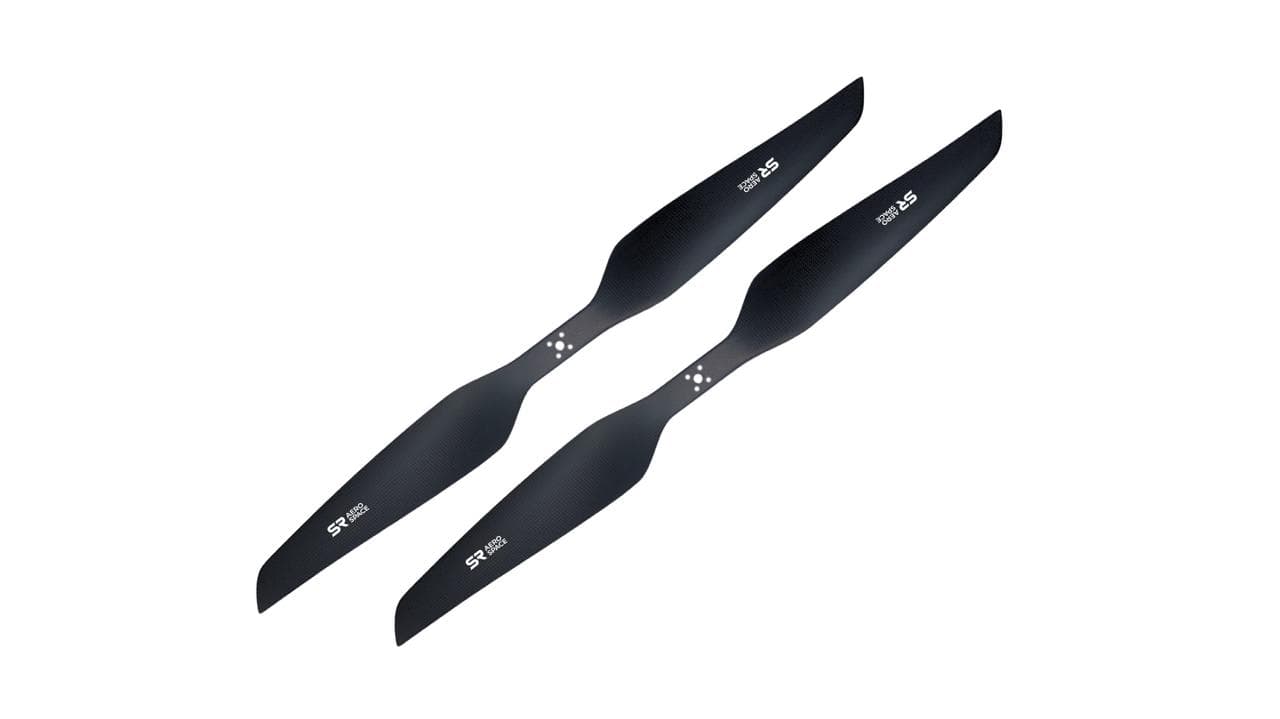
In today’s rapidly changing world of Unmanned Aerial Vehicles (UAVs), innovation is essential for achieving new levels of performance and efficiency. As UAV manufacturers and operators look for state-of-the-art solutions, electric propulsion systems have emerged as a game-changing technology. These systems are not only revolutionizing how UAVs are powered but also setting new standards in aerospace engineering.
The Rise of Electric Propulsion Systems
The push for electric propulsion systems in UAVs comes from a growing desire for cleaner, more efficient, and quieter operations. Unlike traditional combustion engines, electric propulsion provides a sustainable option that aligns perfectly with global environmental goals. This transition is especially important in the context of the “Make in India” initiative, which promotes the development of advanced technologies domestically, encouraging innovation while decreasing reliance on foreign imports.
Advantages of Electric Propulsion Technology
Electric propulsion systems come with a host of benefits that significantly enhance UAV performance:
– Efficiency and Range: These systems are renowned for their impressive efficiency, converting more energy into thrust and extending the operational range of UAVs.
– Reduced Noise Pollution: Electric motors run quietly, which is vital for applications in urban areas or sensitive environments.
– Lower Emissions: At the point of use, these systems produce zero emissions, contributing to a cleaner and greener aerospace industry.
– Maintenance and Durability: With fewer moving parts, electric propulsion systems require less maintenance and can lead to a longer lifespan for UAVs.
Optimizing UAV Performance with Electric Propulsion
Integrating electric propulsion systems can dramatically optimize UAV performance. By harnessing advanced aerospace engineering, manufacturers can design UAVs that are not only lighter and more agile but also capable of carrying heavier payloads. The incorporation of carbon fiber composites in these systems is key to achieving these performance enhancements. These materials are lightweight yet incredibly robust, improving UAV efficiency without sacrificing durability.
The Role of Carbon Fiber Composites
Carbon fiber composites are truly transforming UAV design. Their use in electric propulsion systems offers several compelling advantages:
– Weight Reduction: The lightweight nature of carbon fiber helps lower the overall weight of the UAV, allowing for extended flight times and increased payload capacity.
– Strength and Durability: Even though it’s light, carbon fiber boasts remarkable strength and is resistant to environmental stressors.
– Enhanced Aerodynamics: The sleek designs that carbon fiber enables contribute to improved aerodynamics, further boosting flight performance.
Trends Shaping the Future of Electric Propulsion in UAVs
As the UAV industry continues its evolution, several trends are shaping the future of electric propulsion systems:
1. Advancements in Battery Technology: Developing high-density batteries is vital for enhancing flight times and the overall performance of electric UAVs.
2. Integration of AI and Automation: AI-powered systems have the potential to optimize energy consumption and enhance the efficiency of electric propulsion.
3. Customization and Modularity: The demand for customizable propulsion systems tailored to specific UAV applications is on the rise.
4. Regulatory Frameworks: As UAV regulations tighten, electric propulsion systems offer manufacturers and operators a way to comply with stricter emission and noise standards.
Conclusion
Electric propulsion systems are at the forefront of transforming the UAV industry. By providing a sustainable, efficient, and high-performance alternative to traditional propulsion methods, they are set to redefine what UAVs can do. For manufacturers and operators, adopting this technology not only meets current market needs but also keeps them at the forefront of aerospace innovation.
With the “Make in India” initiative gaining traction, there’s a unique opportunity for Indian manufacturers to take the lead in developing electric propulsion systems, driving growth and innovation in the UAV sector. The future of UAVs is electric, and it promises to be an exciting journey filled with technological advancements and environmental responsibility.
By staying updated on the latest trends and breakthroughs in electric propulsion technology, UAV manufacturers and operators can ensure they remain competitive in a fast-evolving market. The potential of electric propulsion systems is boundless, and as technology progresses, the sky is truly the limit.
 nadiwa
  synaworld43