
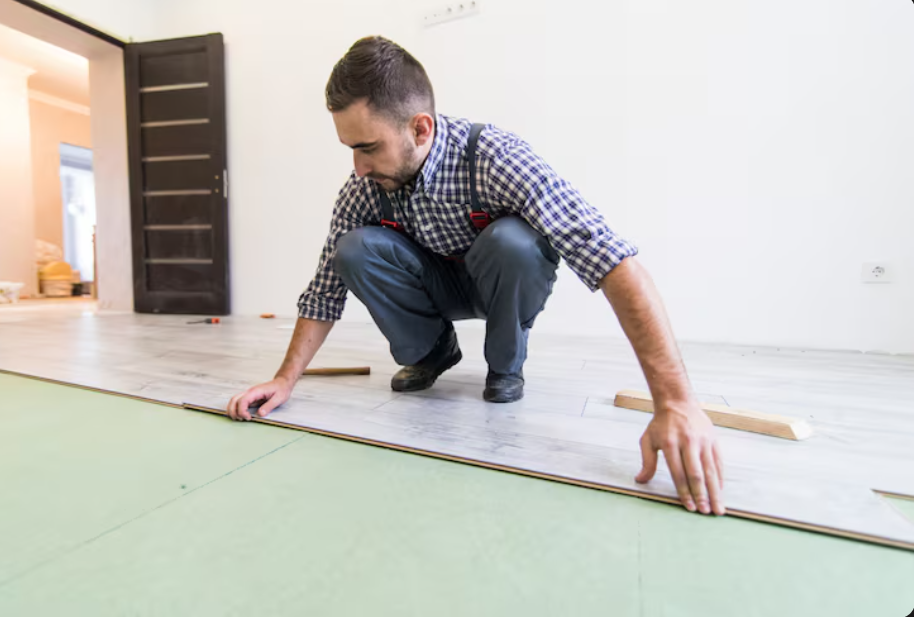
Wooden flooring has remained one of the most popular choices for homeowners and property developers because of its timeless appearance, durability, and ability to enhance the value of a property. Whether installed in a modern apartment, a traditional family home, or a commercial setting, wooden floors provide warmth and elegance that few other flooring materials can match. Understanding the basics of fitting wooden flooring and the overall flooring installation process can help property owners make informed decisions and achieve long-lasting results.
Why Wooden Flooring Is a Popular Choice
Wooden flooring offers a unique combination of beauty and practicality. Natural wood creates a welcoming atmosphere while complementing various interior design styles. From rustic and traditional décor to sleek contemporary settings, wooden floors blend seamlessly into almost any environment.
Another advantage is durability. High-quality wooden flooring can last for decades when properly maintained. Unlike carpets that may require frequent replacement, wooden floors can often be refinished to restore their appearance. This makes them a cost-effective investment over time.
In addition, wooden flooring contributes to better indoor air quality. Since it does not trap dust, allergens, and pet dander in the same way carpets do, many homeowners consider it a healthier flooring option.
Planning Before Installation
Successful fitting wooden flooring begins long before the first plank is laid. Proper planning is an essential part of the flooring installation process and can prevent many common problems.
The first step is selecting the appropriate type of wood. Solid hardwood, engineered wood, and reclaimed wood each offer distinct advantages. The choice depends on factors such as budget, room conditions, and personal preferences.
Next, accurate measurements are necessary. Measuring the installation area ensures that enough materials are purchased while minimizing waste. It is generally recommended to order slightly more flooring than required to account for cuts and future repairs.
Preparing the workspace is equally important. Furniture should be removed, and the existing floor surface must be inspected for damage, unevenness, or moisture issues that could affect the final result.
Understanding the Flooring Installation Process
The flooring installation process consists of several stages designed to create a stable and attractive finished floor. While specific methods may vary depending on the flooring type, the general principles remain the same.
The process begins with subfloor preparation. A clean, dry, and level subfloor provides the foundation needed for a successful installation. Any imperfections should be corrected before proceeding.
After preparation, the flooring material is often allowed to acclimate to the room environment. This step helps the wood adjust to temperature and humidity levels, reducing the risk of expansion or contraction after installation.
Once acclimation is complete, installers determine the layout. Careful planning of plank direction and spacing contributes to both visual appeal and structural stability. During the flooring installation process, attention to detail at this stage can significantly improve the final appearance.
Methods of Fitting Wooden Flooring
There are several techniques used for fitting wooden flooring, each suited to different products and installation conditions.
Nail-Down Installation
The nail-down method is commonly used with solid hardwood flooring. Planks are secured directly to a wooden subfloor using specialized flooring nails. This technique creates a firm and durable surface that can withstand years of use.
Glue-Down Installation
The glue-down method involves applying adhesive to the subfloor before positioning the wooden planks. This approach is often used with engineered wood flooring and can help reduce movement and noise.
Floating Floor Installation
Floating floors are not attached directly to the subfloor. Instead, the planks connect to one another through locking systems or adhesive. This method has become increasingly popular because it simplifies the flooring installation process and often reduces installation time.
Each installation method offers unique advantages, and selecting the right approach depends on the flooring product and project requirements.
Common Challenges During Installation
Although fitting wooden flooring can transform a space, challenges may arise during installation. Understanding these potential issues can help ensure a smoother project.
One common problem is moisture. Excessive moisture can cause wood to swell, warp, or develop gaps over time. Conducting moisture tests before installation is an important step in the flooring installation process.
Uneven subfloors can also create difficulties. If the subfloor is not level, planks may shift, creak, or wear unevenly. Proper preparation helps minimize these risks.
Another challenge involves maintaining consistent spacing around walls and fixed objects. Expansion gaps allow the wood to naturally respond to environmental changes without causing damage.
Careful workmanship and attention to detail are essential when fitting wooden flooring to avoid these issues and achieve professional-looking results.
Maintaining Wooden Floors After Installation
Once the flooring installation process is complete, regular maintenance helps preserve the beauty and durability of the floor.
Routine sweeping or vacuuming removes dirt and debris that could scratch the surface. Using protective pads under furniture can also reduce wear and prevent dents.
Spills should be cleaned promptly to prevent moisture damage. While modern finishes offer protection, standing water can still affect the wood over time.
Periodic refinishing may be necessary depending on traffic levels and the type of flooring. Refinishing restores the floor’s appearance and extends its lifespan, making wooden flooring a long-term investment.
Benefits of Professional Installation
While some homeowners choose a do-it-yourself approach, professional installation offers several advantages. Experienced installers understand every stage of the flooring installation process and can address challenges efficiently.
Professionals have access to specialized tools that improve accuracy and speed. They can also ensure that subfloor preparation, plank alignment, and finishing details meet high standards.
Additionally, professional fitting wooden flooring often comes with workmanship guarantees, providing peace of mind for property owners. A properly installed floor is more likely to perform well and maintain its appearance for many years.
Enhancing Property Value
Wooden flooring is frequently viewed as a premium feature in residential and commercial properties. Its natural beauty and durability make it attractive to potential buyers and tenants.
Because wooden floors have broad appeal, they can contribute to increased property value and marketability. Many property owners consider fitting wooden flooring a worthwhile improvement that combines aesthetic and practical benefits.
The flooring installation process may require careful planning and investment, but the resulting enhancement often delivers long-term rewards. A well-installed wooden floor can become one of the most distinctive features of a property.
Conclusion
Wooden flooring remains a preferred choice for those seeking elegance, durability, and lasting value. Understanding the fundamentals of fitting wooden flooring allows homeowners and property managers to make informed decisions throughout a project. From preparation and material selection to installation and maintenance, every stage plays an important role in achieving a successful outcome.
The flooring installation process involves more than simply laying planks. It requires careful planning, proper subfloor preparation, suitable installation techniques, and ongoing maintenance. When these elements are combined, the result is a beautiful floor that enhances comfort, style, and property value for years to come.
Whether completed by skilled professionals or dedicated DIY enthusiasts, fitting wooden flooring can transform an ordinary room into a welcoming and sophisticated space that stands the test of time.
 Casanova