
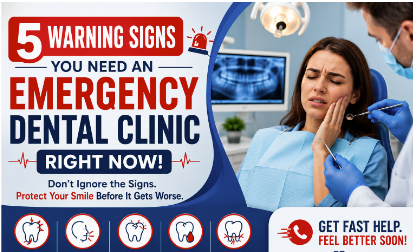
Dental problems rarely appear without warning. In many cases, your mouth gives you clear signs that something is wrong long before the issue becomes severe. Unfortunately, many people ignore these signals, hoping the pain or discomfort will disappear on its own. While that may seem harmless at first, delaying treatment can often lead to more complex and expensive dental procedures.
Knowing when a dental issue requires urgent attention can help protect your oral health and even save your natural teeth. Whether it is sudden pain, swelling, or an injury, recognizing the signs early can make a significant difference.
If you are a resident of Oshawa and experience any of the symptoms discussed below, visiting an Emergency Dental clinic Oshawa as soon as possible can help prevent complications and provide relief when you need it most.
Severe Tooth Pain That Does Not Go Away
A mild toothache can sometimes result from temporary sensitivity, but severe or persistent pain should never be ignored. When a tooth continues to hurt for hours or even days, it often indicates an underlying issue such as an infection, deep cavity, damaged nerve, or abscess.
Many people try to manage the discomfort with over-the-counter pain medication, but this only masks the symptoms rather than addressing the cause. If the pain becomes intense enough to interfere with eating, sleeping, or daily activities, it is a clear sign that professional treatment is needed.
Pain is your body’s way of signaling that something requires attention. Ignoring it can allow the condition to worsen and increase the risk of permanent damage.
Swelling in the Gums, Face, or Jaw
Swelling is another warning sign that should be taken seriously. In many cases, swelling develops because of an infection that has spread beyond the tooth and into the surrounding tissues.
You may notice puffiness around the gums, cheek, or jaw area. Sometimes the swelling can be accompanied by redness, tenderness, or a bad taste in the mouth. Dental infections can progress quickly and may eventually affect other areas of the body if left untreated.
Seeking prompt care when swelling appears can help stop the infection before it becomes a more serious health concern. Dental professionals can identify the source of the problem and recommend the appropriate treatment to protect your oral health.
A Broken, Cracked, or Chipped Tooth
Accidents happen when you least expect them. Whether it occurs during sports, a fall, or while biting into something hard, a broken or cracked tooth should never be ignored.
Even when the damage appears minor, cracks can expose the inner layers of the tooth to bacteria. This can lead to infection, sensitivity, and additional structural damage over time. In some situations, immediate treatment can save the tooth and prevent the need for more extensive procedures later.
The sooner a damaged tooth is examined, the greater the chance of preserving its natural structure and restoring normal function.
Bleeding That Continues After Dental Trauma
A small amount of bleeding after brushing or flossing may occasionally occur, but continuous bleeding following a dental injury requires immediate attention.
Bleeding can indicate damage to the gums, tooth roots, or surrounding tissues. If the bleeding does not stop after applying gentle pressure for a reasonable amount of time, it is important to seek professional evaluation.
Ignoring ongoing bleeding can increase the risk of infection and may allow a hidden injury to worsen. Prompt treatment helps ensure that any underlying damage is identified and managed appropriately.
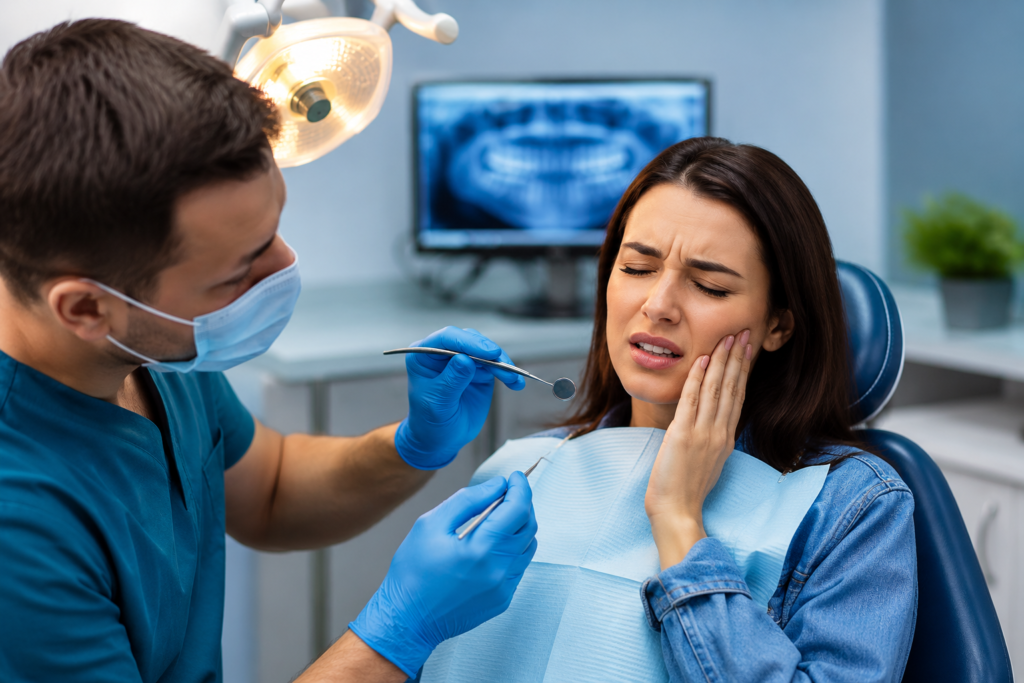
A Knocked-Out Tooth Requires Immediate Action
One of the most urgent dental emergencies involves a tooth that has been completely knocked out. Whether the injury occurs during sports, an accident, or another unexpected situation, time is critical.
Many people do not realize that a knocked-out tooth can sometimes be successfully reinserted if treatment is received quickly. The chances of saving the tooth are often highest within the first hour following the injury.
If this happens, handle the tooth carefully by the crown rather than the root and seek professional care immediately. Quick action can significantly improve the outcome and may help preserve your natural smile.
Why Choose Groot Dental as the Best Emergency Dental Clinic Oshawa
When a dental emergency occurs, choosing the right clinic can make all the difference. Patients need a team that responds quickly, provides compassionate care, and focuses on relieving discomfort while addressing the root cause of the problem.
Groot Dental proudly supports patients through the Canadian Dental Care Plan (CDCP). Eligible patients can access important dental treatments with financial assistance, making quality oral healthcare more accessible for individuals and families in the community. Our team is happy to help patients understand their CDCP coverage and guide them through the process.
If you are searching for an Emergency Dental clinic Oshawa, Groot Dental understands the importance of fast treatment and personalized care during unexpected dental situations. Whether you need urgent dental attention or are looking for a clinic that accepts CDCP, our goal is always to protect your oral health while helping you return to your normal routine as quickly and comfortably as possible.
Frequently Asked Questions
How do I know if my toothache is a dental emergency?
A toothache becomes a dental emergency when the pain is severe, persistent, causes swelling, or interferes with eating and sleeping. These symptoms may indicate an infection or another serious dental issue.
Can a cracked tooth wait a few days before treatment?
It is always best to have a cracked tooth examined as soon as possible. Even small cracks can worsen over time and allow bacteria to enter the tooth.
What should I do if my tooth gets knocked out?
Pick up the tooth by the crown, avoid touching the root, and seek immediate dental care. Fast treatment offers the best chance of saving the tooth.
Is facial swelling related to a dental emergency?
Yes. Swelling in the gums, face, or jaw can indicate an infection that requires prompt professional treatment.
When should I contact an Emergency Dental clinic Oshawa?
You should seek immediate care if you experience severe tooth pain, swelling, ongoing bleeding, dental trauma, or a knocked-out tooth. Prompt treatment can help prevent complications and protect your oral health.
Conclusion
Dental emergencies can happen unexpectedly, but recognizing the warning signs early can help you avoid serious complications. Severe pain, swelling, broken teeth, bleeding, and knocked-out teeth all require prompt attention. If you are in Oshawa and need urgent dental care, Groot Dental is here to provide professional support when you need it most. As a trusted Emergency Dental clinic Oshawa, the team focuses on delivering timely treatment and compassionate care to help patients protect their smiles and regain comfort as quickly as possible.
 stokleyspowerwash
  NailaSEO6
  enfieldroyalclinic