
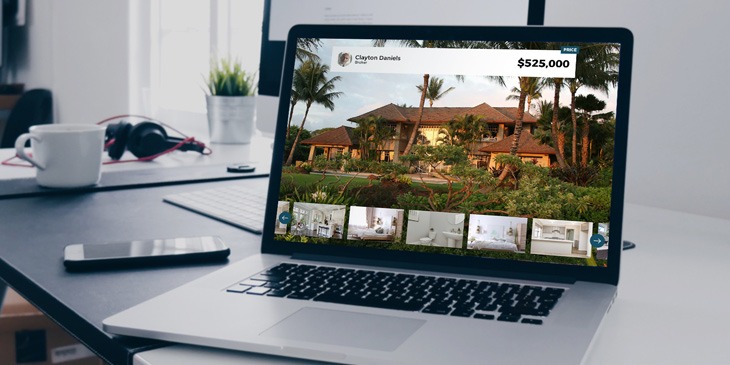
In today’s digital age, having a professional, user-friendly real estate website is crucial for attracting potential buyers, sellers, and investors. A well-designed website not only showcases properties but also builds credibility and trust for your real estate brand. Companies like RedSpider Web & Art Design specialize in creating high-quality real estate websites that drive engagement and sales. This guide will take you through a step-by-step process of real estate website development.
1. Understanding the Purpose of Your Real Estate Website
Before diving into design and development, it’s essential to define the purpose of your website. Ask yourself:
- Do you want to generate leads?
- Are you focusing on property listings or providing market insights?
- Will the website target buyers, sellers, or investors?
Understanding your goals will shape the website’s functionality, design, and user experience. A site that aligns with your business objectives ensures better engagement and higher conversion rates.
2. Researching Your Target Audience
Your website should cater to the needs of your audience. Researching your target audience helps in designing a user-centric website.
- Identify demographics such as age, location, income level, and preferences.
- Understand the devices your audience uses, like mobile phones, tablets, or desktops.
- Study competitors’ websites to identify what works and what doesn’t.
By analyzing your audience, you can create features that resonate with them, like property search filters, virtual tours, and mortgage calculators.
3. Planning Your Website Structure
A clear and organized structure is key for user experience and SEO. Create a sitemap outlining all the pages and their hierarchy. Typical real estate websites include:
- Home Page – Overview of services and featured properties
- Property Listings – Detailed pages for each property
- About Us – Company profile and team introduction
- Blog – Market trends, tips, and news
- Contact Us – Contact form, phone number, and office location
Proper planning ensures that users can easily navigate your website and find the information they need.
4. Choosing the Right Platform and Technology
Selecting the right platform and technology is crucial for a robust real estate website. Popular options include:
- WordPress – Highly customizable with real estate plugins
- Custom Development – Tailored solutions using HTML, CSS, JavaScript, and frameworks
- Website Builders – Quick setup with drag-and-drop functionality
For advanced features like property management systems, interactive maps, or user dashboards, custom development by experts such as RedSpider Web & Art Design may be the best choice.
5. Designing a User-Friendly Interface
A visually appealing and easy-to-navigate design can significantly impact user engagement. Key considerations include:
- Clean and modern layout
- Mobile responsiveness for smartphones and tablets
- Easy-to-use property search filters
- High-quality images and virtual tours
Professional web designers focus on creating an intuitive interface that helps visitors find properties quickly while encouraging them to take action.
6. Integrating Essential Features
A successful real estate website goes beyond aesthetics. Essential features include:
- Property Listings – With detailed descriptions, images, and videos
- Advanced Search – Filters by location, price, property type, and amenities
- Lead Generation Forms – Capture inquiries from potential buyers and sellers
- Map Integration – Google Maps for property locations
- User Accounts – For saving favorite listings or tracking inquiries
Companies like RedSpider Web & Art Design ensure these features are seamlessly integrated to enhance user experience and streamline operations.
7. Content Creation and SEO Optimization
High-quality content and SEO optimization are crucial for attracting traffic. Focus on:
- Writing clear, engaging property descriptions
- Creating blog posts about market trends, tips, and investment advice
- Optimizing titles, meta descriptions, and images for search engines
- Using keywords strategically, like “Real Estate Website Development”
A website that is optimized for SEO helps potential clients find your business online more easily, increasing leads and conversions.
8. Testing and Quality Assurance
Before launching, thorough testing ensures your website works smoothly. Test:
- Navigation and page loading speed
- Mobile responsiveness
- Forms, search filters, and interactive elements
- Cross-browser compatibility
Addressing issues before launch guarantees a professional user experience and builds trust among visitors.
9. Launching Your Real Estate Website
Once testing is complete, it’s time to go live. Consider:
- Hosting options and domain registration
- SSL certificates for security
- Backup solutions to prevent data loss
Launching with a reliable hosting provider ensures your website runs efficiently and securely, delivering a seamless experience to your visitors.
10. Post-Launch Maintenance and Updates
Website development is an ongoing process. Regular maintenance ensures your site stays functional and up-to-date. Tasks include:
- Updating property listings regularly
- Monitoring website performance and traffic
- Adding new features or improving existing ones
- Performing security checks and software updates
Continuous updates keep your audience engaged and help your website maintain a strong presence online.
Why Choose RedSpider Web & Art Design for Real Estate Website Development
RedSpider Web & Art Design specializes in creating custom real estate websites that combine modern design, functionality, and SEO optimization. Their services include:
- Customized website development tailored to your brand
- Advanced property search and management features
- Mobile-responsive and user-friendly designs
- SEO and digital marketing support
With years of experience, RedSpider ensures your website not only looks professional but also performs optimally to attract leads and boost your real estate business.
Conclusion
Developing a real estate website is a multi-step process that requires careful planning, design, and execution. From understanding your goals and audience to integrating advanced features and ensuring SEO optimization, every step is crucial for success. Partnering with a professional company like RedSpider Web & Art Design guarantees a high-quality, fully functional website that drives engagement and converts visitors into clients.
Investing in a professionally developed real estate website is no longer optional—it’s essential to staying competitive in today’s market. Follow this step-by-step guide to ensure your real estate business thrives online.
 username003
  healthcare
  muhammadumerzahid