
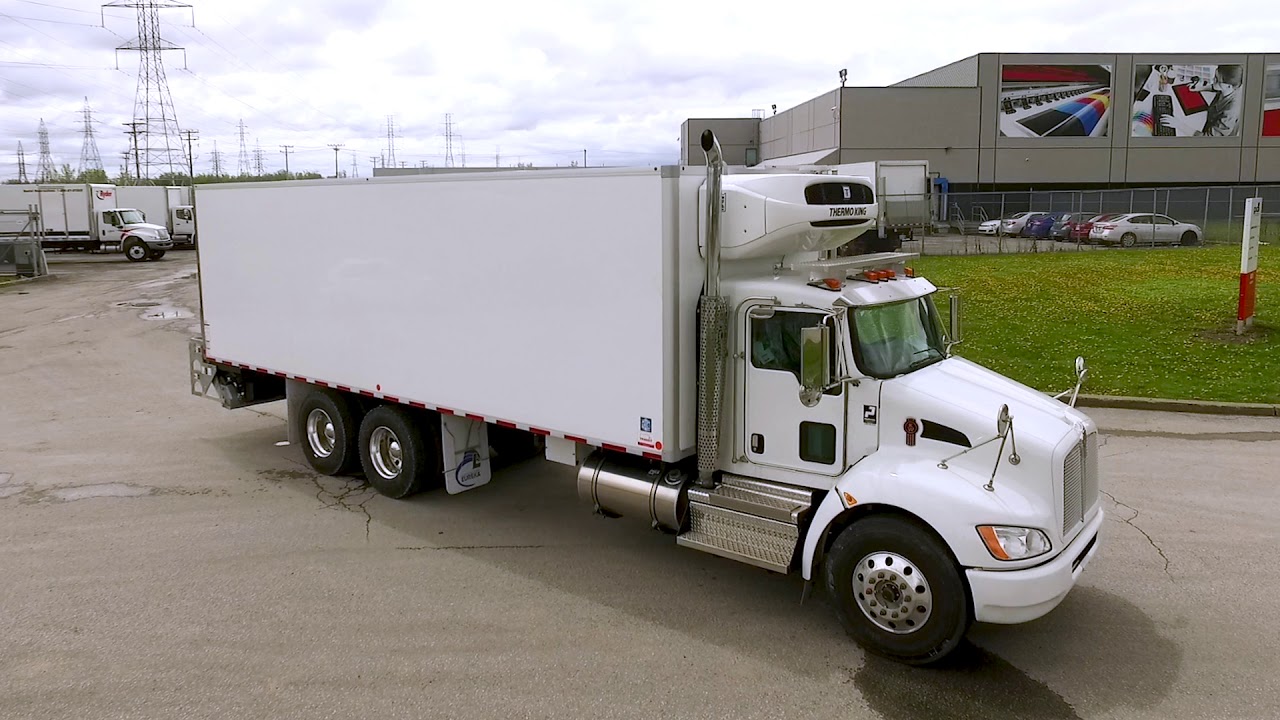
The transportation of temperature-sensitive freight depends on precision, timing, and careful coordination. From fresh produce to pharmaceuticals, many industries rely on refrigerated transport to keep products safe during long-distance travel. This is where reefer dispatch becomes an essential part of the logistics process.
Unlike standard freight coordination, refrigerated transportation involves added challenges such as temperature monitoring, strict delivery windows, route planning, and equipment readiness. A missed detail can result in delayed deliveries or spoiled goods, making proper dispatching a critical function within modern trucking operations.
Understanding Reefer Dispatch in Modern Freight
At its core, reefer dispatch refers to the management and coordination of refrigerated trucks transporting temperature-sensitive goods. Dispatchers work behind the scenes to organize loads, schedule pickups and deliveries, communicate with drivers, and help ensure freight arrives within required temperature ranges.
A reefer truck differs from a dry van because it includes refrigeration systems designed to maintain controlled temperatures during transport. These vehicles are widely used across the food, beverage, healthcare, and agricultural industries throughout the United States.
For example, a shipment of frozen foods traveling from California to Texas requires precise temperature control and tight scheduling. Delays at loading points, weather disruptions, or equipment issues can affect product quality. Effective dispatch planning helps reduce these risks before they become costly problems.
The Role of a Reefer Dispatcher
A skilled reefer dispatcher plays a much broader role than simply assigning loads. They act as coordinators between shippers, brokers, receivers, and truck drivers to maintain efficiency during transportation.
Some of the common responsibilities include:
- Planning routes that reduce delays
- Coordinating time-sensitive deliveries
- Monitoring refrigeration requirements
- Managing communication between parties
- Helping drivers comply with transportation regulations
For refrigerated freight, timing often matters more than in standard hauling. A delayed produce shipment may result in rejected freight, while pharmaceutical cargo can require exact storage temperatures to remain usable.
In many situations, dispatchers must respond quickly to unexpected issues. If a refrigeration unit fails or weather conditions delay travel, adjustments may need to happen immediately to protect cargo integrity.
How Reefer Truck Dispatch Works
Reefer truck dispatch involves more planning than traditional freight movement because refrigerated cargo carries higher operational risks.
The process usually begins when a shipment request is assigned. Dispatchers evaluate delivery requirements, route conditions, cargo specifications, and driver availability. They also review refrigeration needs before assigning a load to a driver.
A practical example would be transporting dairy products from Wisconsin to Florida. The dispatcher may consider:
- Temperature requirements for the cargo
- Traffic patterns and road conditions
- Fuel stop locations for refrigerated units
- Driver hours-of-service regulations
- Delivery appointment schedules
Since reefer freight often includes strict deadlines, dispatch teams regularly monitor transportation progress and adjust schedules when disruptions occur.
Companies such as EverMark Dispatchers, along with other logistics providers in the trucking industry, commonly focus on streamlining dispatch coordination for refrigerated freight movement across U.S. routes.
Industries That Depend on Refrigerated Freight
Many industries rely heavily on refrigerated transportation every day. Without organized dispatch support, supply chain disruptions could become more common.
Food and Beverage Distribution
Fresh produce, frozen meals, meat, seafood, and dairy products require controlled temperatures to maintain freshness. Grocery stores across the USA depend on refrigerated logistics to stock shelves consistently.
For example, strawberries transported across several states must remain cooled throughout transit to prevent spoilage.
Pharmaceutical and Healthcare Transport
Medical shipments often involve strict temperature standards. Vaccines, medications, and laboratory materials may require cold-chain transportation to preserve effectiveness.
A reliable reefer truck dispatcher helps ensure shipments move according to exact timelines and handling requirements.
Floral and Agricultural Products
Flowers and agricultural goods are highly sensitive to temperature changes. Excessive heat or delays during transportation can reduce shelf life and product quality.
Seasonal demand also creates scheduling challenges, especially during harvest periods when shipment volume increases.
Common Challenges in Reefer Transportation
Refrigerated logistics introduces unique operational difficulties that dispatchers must manage carefully.
Equipment Reliability
A refrigeration system malfunction can quickly become a major issue. Dispatchers often coordinate emergency maintenance or reroute shipments if equipment problems arise.
Tight Delivery Windows
Cold freight frequently involves scheduled appointments with warehouses, supermarkets, or medical facilities. Missing a delivery window can disrupt supply chains and increase costs.
Fuel and Operating Costs
Running refrigerated systems increases fuel consumption compared to dry freight. Route efficiency becomes particularly important for managing expenses.
Weather and Seasonal Risks
Extreme weather affects refrigerated trucking more than many people realize. Winter storms, excessive heat, and traffic disruptions can influence delivery schedules and refrigeration performance.
Because of these factors, many trucking companies rely on experienced dispatch coordination to maintain operational consistency.
Why Reefer Van Dispatch Service Matters
A professional reefer van dispatch service supports carriers handling refrigerated loads by organizing freight movement with more precision. Temperature-controlled transportation leaves little room for error, especially when goods are perishable.
Dispatch teams help improve communication between drivers and customers while tracking shipment progress and coordinating scheduling adjustments. This becomes especially important for independent owner-operators managing multiple delivery requirements.
For example, a driver transporting frozen poultry through several states may encounter weather delays or traffic congestion. Dispatch coordination helps adjust timelines, communicate updates, and reduce disruptions for everyone involved.
The refrigerated freight market in the USA continues growing due to increased demand for grocery delivery, healthcare products, and fresh food distribution. As supply chains become more complex, efficient dispatching remains an important operational factor.
Conclusion
Refrigerated trucking requires more than simply moving cargo from one destination to another. Successful transportation depends on careful planning, temperature management, scheduling accuracy, and clear communication. That is why reefer dispatch plays such an important role in the trucking industry.
From food suppliers to healthcare providers, many sectors rely on refrigerated freight to maintain product quality and safety. Whether coordinating a reefer truck, supporting a reefer dispatcher, or organizing reefer truck dispatch schedules, proper logistics management helps reduce delays and improve reliability across transportation networks.
As refrigerated freight demand continues to grow in the United States, specialized dispatch coordination will remain an essential part of keeping temperature-sensitive supply chains moving efficiently.
 chromeheartsofficial
  Ramsquality
  kunalagarwal