
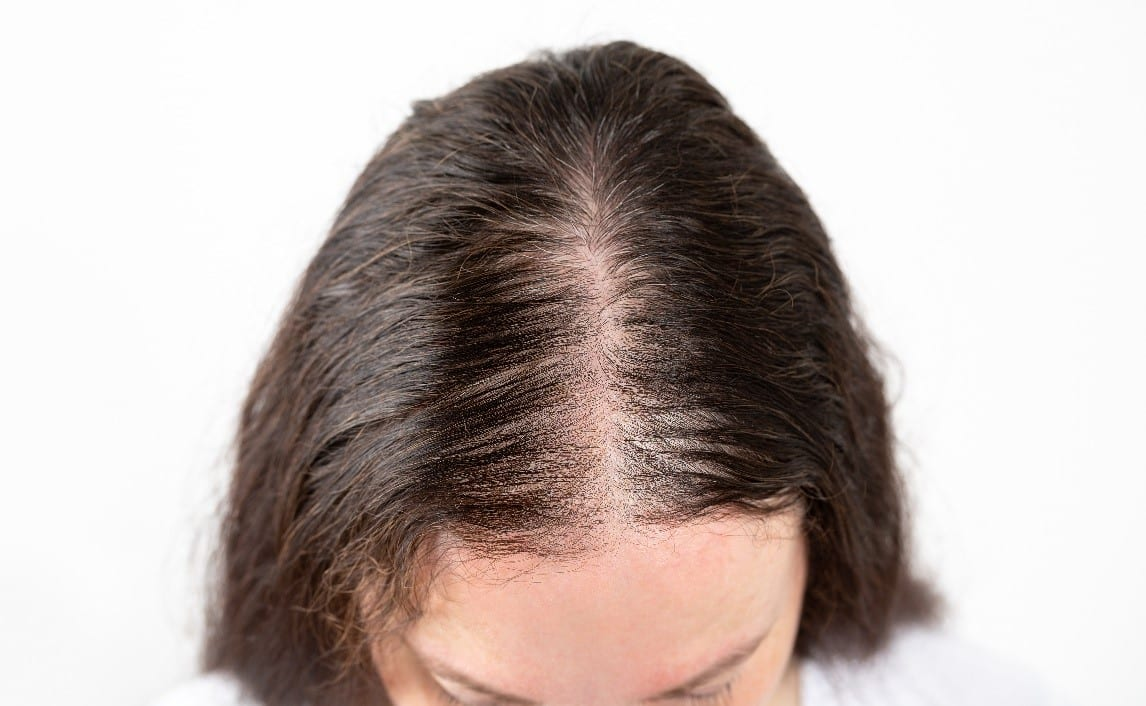
Hair loss does not look the same for every woman, and the right approach depends on which pattern is showing up. The shedding that follows pregnancy looks different from the patches that come with alopecia, which look different from the broken regrowth associated with trichotillomania. Understanding the type of loss you are dealing with is the first step toward choosing hair loss solutions for women Dallas that actually fit each situation.
Postpartum Shedding
Postpartum shedding is one of the most recognizable patterns women experience after pregnancy. The wave of fallout often arrives a few months after delivery, concentrated around the temples and along the parting. The volume can feel alarming, even when postpartum care literature discusses it openly.
The right approach in this stage rarely starts with permanent extensions. It starts with stabilization. A hair loss specialist Dallas examines when shedding began, where loss is most concentrated, and how regrowth is coming in. Temporary methods serve guests better during this window:
- Clip-in pieces for added density
- Removable toppers for parting coverage
- Short-term volumizers while natural hair recovers
Once shedding has clearly stopped and regrowth has settled, more permanent methods become an option.
Alopecia and Patchy Hair Loss
Alopecia is an umbrella term, and the type a guest is living with shapes the response. Patterns vary widely:
- Round, smooth patches that appear suddenly
- Gradual thinning along the part and crown
- A measured recession at the front hairline that can go unnoticed in early stages
Each pattern asks for a different response, and grouping them together leads to mismatched recommendations.
Density loss along the temples means traditional extension methods near that area are rarely the right fit, since remaining hair cannot carry weight without added stress. Patchy loss may suit a hair topper or mesh integration system, depending on how widespread the patches are. Professional hair loss solutions for women in Dallas start with diagnosis-aware planning rather than method-first thinking. The right method follows the assessment, not the other way around. A reputable stylist will refer guests to a dermatologist when something on the scalp warrants medical attention.
Trichotillomania
Trichotillomania asks for a different kind of care. The hair-pulling pattern often leaves shorter, broken regrowth in specific zones, and many women arrive at appointments having tried to cover those areas with traction-heavy methods that made the situation worse. The goal is not just coverage. The goal is coverage that does not become a new trigger.
Mesh and meshless integration systems are often a strong path for women with active or recently active trichotillomania. The hair sits on a breathable base instead of relying on existing strands for attachment, so there is nothing for the hands to pull and no added stress on remaining follicles. The pre-consultation conversation matters here. A stylist will ask about:
- Active and dormant periods
- The current relationship with affected zones
- What recent attempts at coverage have looked like
The point is not clinical assessment. The point is understanding the best system for the patterns.
What These Patterns Share
Despite how different these conditions look, the path through them shares a structure. A hair loss specialist in Dallas examines the scalp at close range, considers any active medical care guests are managing under their own providers, and only then discusses what method might suit them. Recommendations made before that work is done are rarely the right ones.
Privacy also matters during these conversations. Hair loss is personal, and discussing the timeline, triggers, and visible changes openly is easier in a setting where guests are not surrounded by other appointments. A private consultation room changes how much honesty enters the conversation, and the quality of every recommendation that follows depends on that honesty being there from the start.
Conclusion
Choosing the right path through trichotillomania, alopecia, or postpartum shedding starts with understanding the pattern itself. The condition shapes the method. The method shapes the maintenance. The maintenance shapes how well the result holds up over time. None of these decisions can be made in isolation, and trying to make them that way is what leaves guests stuck in cycles of correction.
 ImpactCleaners
  ATCFlooringtilesandCarpetsSlough
  RatticPest