

Running a pharmaceutical manufacturing facility can feel like balancing on a knife’s edge. Production schedules, staff, regulatory requirements, and the pressure to maintain quality all collide in ways that can feel overwhelming. In South Africa, GMP certification isn’t just another formality—it’s a commitment to safety, consistency, and international credibility.
Pharmaceutical manufacturers know that GMP affects almost every aspect of operations. From the flow of raw materials to the calibration of machinery, from staff training to documentation, GMP touches every process. But understanding it as a set of rules is very different from living it daily on the production floor.
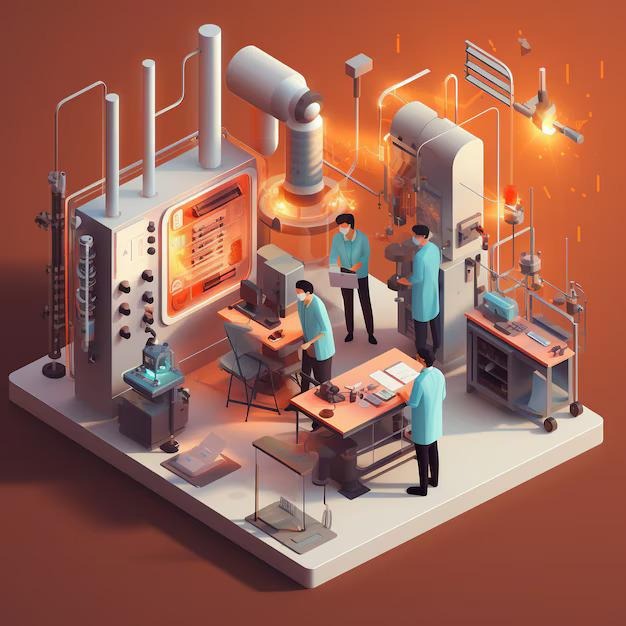
Why GMP Feels Demanding And Why It Matters
Good Manufacturing Practice exists because medicines are not ordinary products. One small mistake in production can have life-changing consequences for patients. That’s why regulators and inspectors take GMP so seriously—and why manufacturers sometimes feel it’s an enormous weight.
For South African pharmaceutical companies, GMP is both a safeguard and a competitive advantage. It ensures that products are consistently safe, while also signaling to international partners that your facility meets global standards. GMP is rigorous, yes, but it is rigorous for a reason.
Understanding the South African Regulatory Landscape
gmp certification south africa pharmaceutical sector has matured tremendously, and regulatory oversight has followed suit. SAHPRA, the South African Health Products Regulatory Authority, enforces GMP standards aligned with international expectations. This means that compliance isn’t just about meeting local rules—it’s also about being prepared for global scrutiny, especially if export markets are part of your business plan.
Global partners, including those in the EU and WHO-regulated markets, expect documentation, processes, and training to be thorough and reliable. For manufacturers, this means GMP is an ongoing process, not a one-off project.
GMP Is a Way of Working, Not Just Paperwork
Many manufacturers think of GMP as a set of documents—SOPs, batch records, validation reports—but the real essence of GMP lies in the way work is done. Inspectors can quickly spot when documentation doesn’t reflect reality. A facility can look clean and organized, but if operators skip steps, ignore SOPs, or fudge records under pressure, compliance will fail.
GMP demands a culture where procedures are respected, deviations are addressed openly, and quality is embedded into everyday decisions. It’s not about creating more paperwork—it’s about making systems work reliably, even when deadlines loom and resources are stretched.
Documentation: The Backbone of Compliance
Documentation is at the heart of GMP. Batch records, SOPs, training files, and deviation reports tell the story of how a facility operates. If records are incomplete, inconsistent, or outdated, it raises questions that inspectors will pursue relentlessly.
Many manufacturers struggle here, not because the work isn’t done, but because it’s not recorded consistently. For GMP, the rule is simple: if it’s not documented, it didn’t happen. That principle applies across production, quality control, equipment maintenance, and training.
People Make the Difference
Processes, equipment, and documentation matter—but people are the system’s lifeblood. Operators must understand why steps are critical. Supervisors must enforce procedures consistently. Quality teams must feel empowered to flag deviations without fear.
Training is more than attendance registers. It’s about competence, confidence, and awareness. Inspectors often ask questions to verify understanding rather than checking a form. Facilities where staff know what they’re doing and why tend to perform far better under scrutiny than those relying solely on paperwork.
Facilities and Equipment Speak Volumes
Clean floors and shiny equipment are nice, but GMP inspectors look deeper. Facility layout, material flow, segregation, and maintenance all indicate how well quality is embedded into operations. Equipment must be qualified, calibrated, and maintained, and these activities must be well documented. Even minor lapses in maintenance or design can lead to major questions during an audit.
Quality Control: The Last Line of Defense
Quality control laboratories carry enormous responsibility. They don’t just check whether a batch is okay—they safeguard patient safety. Under GMP, QC operations must be independent, methodologically sound, and reliable. Proper documentation, controlled testing, and clear procedures for handling out-of-specification results are essential.
Increasingly, inspectors also focus on data integrity. Laboratories must demonstrate that records are accurate, complete, and secure from manipulation—intentional or accidental.
Validation: Evidence, Not Assumption
Validation is often delayed because production pressure is relentless. But skipping or postponing it can be dangerous. Validation proves that processes, cleaning methods, and systems deliver consistent results. Without it, compliance rests on assumptions—and regulators do not accept assumptions.
Managing Change Without Losing Control
Change is inevitable in manufacturing. New equipment, suppliers, or processes are introduced frequently. GMP doesn’t resist change; it ensures change is controlled. Facilities must assess risks, document approvals, and verify that staff are trained on new procedures. Weak change control is often the silent cause behind system drift, where procedures no longer match actual practice.
Audits: Where the Rubber Meets the Road
Even well-prepared facilities feel audit pressure. Auditors are trained to connect the dots between documentation, actual practice, and overall quality culture. Facilities that respond honestly to gaps and show structured corrective actions perform better than those attempting to hide weaknesses. Transparency, not perfection, earns trust.
Common GMP Challenges Seen in South Africa
Across South African pharmaceutical manufacturers, recurring GMP gaps appear. These include incomplete deviation investigations, delayed corrective actions, outdated procedures still in circulation, and training records that do not clearly link staff competence to roles. Individually, these may seem minor, but cumulatively, they indicate reactive rather than controlled systems.
GMP as a Business Advantage
There’s a misconception that GMP slows growth. In truth, poor GMP slows growth. Consistent systems reduce recalls, minimize rework, and build confidence with regulators and global partners. Facilities with mature GMP systems are better positioned for export, investment, and long-term stability.
Investing in Compliance: Cost vs. Consequence
GMP requires resources—training, validation, equipment, and system upgrades. But the cost of non-compliance is usually far higher: regulatory actions, production delays, lost contracts, or reputational damage can cripple operations quickly. In the long term, GMP is not an expense—it’s insurance for both patients and business.
Building a Sustainable GMP Culture
The most resilient pharmaceutical manufacturers treat GMP as a mindset, not a department. Leadership openly discusses quality. Production teams feel accountable. Deviations are learning opportunities, not failures to hide. When GMP becomes embedded in daily practice, compliance becomes less stressful, audits are smoother, and processes remain stable over time.
Final Thoughts: GMP Is a Commitment
GMP certification in South Africa is more than a certificate on the wall. It represents responsibility—to patients, regulators, partners, and your own team. It demands consistency, honesty, and discipline. Facilities that embrace this mindset create systems that protect lives and business alike.
At the end of the day, GMP isn’t just regulation—it’s a promise. A promise that what leaves your facility is safe, reliable, and worthy of trust.
 evyenmia
  miskaelias
  letishya