
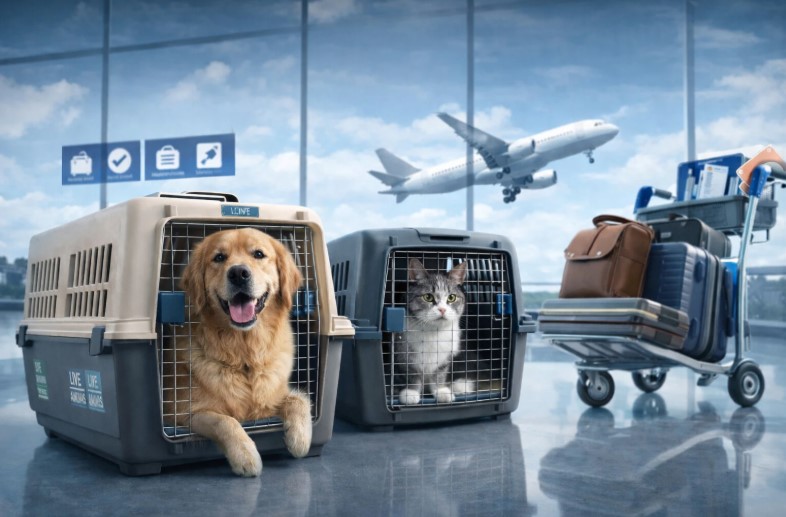
Quick answer: Planning pet travel HK involves securing a special import permit from the Hong Kong Agriculture, Fisheries and Conservation Department (AFCD), ensuring your pet is microchipped, and completing specific rabies vaccinations. Depending on your origin country, dogs and cats may enter freely or require up to 120 days of quarantine upon arrival.
Relocating to a new city requires significant organization. Moving with a furry family member adds an entirely different layer of logistics. Hong Kong maintains strict regulations for importing animals to keep the territory free from rabies. Understanding these rules months in advance prevents unnecessary delays and ensures your pet arrives safely.
The Agriculture, Fisheries and Conservation Department (AFCD) manages all animal imports into the region. They classify origin countries into three distinct groups based on their rabies status. Your pet’s starting location dictates the exact medical preparations, paperwork, and quarantine duration required for entry.
Organizing pet travel hk demands meticulous attention to detail. Missing a single vaccination date, applying too late for a permit, or using the wrong type of microchip can disrupt your entire timeline. This comprehensive guide breaks down the essential steps, from booking airline tickets to clearing customs and settling into your new home.
What are the AFCD country classifications for pet travel hk?
The Hong Kong AFCD divides countries into three categories. These categories determine the specific health certificates and quarantine requirements your pet will face upon arrival.
Group 1 countries are considered rabies-free. This list includes the United Kingdom, Ireland, Australia, New Zealand, and Japan. Pets traveling from these locations generally do not require quarantine, provided all paperwork and medical requirements are perfectly in order before departure.
Group 2 countries feature well-controlled rabies statuses. The United States, Canada, Singapore, Germany, and France fall into this category. Dogs and cats arriving from Group 2 locations are also exempt from quarantine, provided they meet strict vaccination and blood testing criteria prior to their flight.
Group 3 countries encompass all other nations not listed in Group 1 or Group 2. If your pet originates from a Group 3 country, they are subject to a mandatory minimum quarantine period of 120 days at an AFCD facility. Securing space in these quarantine facilities often requires booking several months in advance due to high demand and limited availability.
What medical requirements must dogs and cats meet before entering Hong Kong?
Before booking any flights, you must ensure your pet meets Hong Kong’s strict medical standards. The very first step is microchipping. Hong Kong accepts AVID 9-digit microchips or ISO compatible 15-digit microchips. If your pet has a different microchip, you must bring your own scanner or have your pet re-chipped.
Rabies vaccinations are mandatory for pets coming from Group 2 and Group 3 countries. The pet must be vaccinated against rabies at least 30 days, but no more than one year, prior to travel. Group 1 pets do not strictly need a rabies vaccine for entry, but having one is highly recommended by international veterinarians.
General core vaccinations are also required. Dogs must be fully vaccinated against Canine Distemper, Infectious Canine Hepatitis, and Canine Parvovirus (DHPPi). Cats require vaccinations against Feline Panleukopenia and Feline Respiratory Disease Complex (FVRCP). These vaccines must be administered between 14 days and one year prior to departure.
How do you apply for a Hong Kong pet import permit?
Every dog or cat entering Hong Kong needs a special permit issued by the AFCD. You cannot simply arrive at the airport with your pet and their medical records. The application process requires submitting a completed Form AF240, along with copies of your pet’s vaccination records and the application fee.
Processing times for import permits generally take around five working days, but you should apply at least four to six weeks before your intended travel date. The permit remains valid for six months from the date of issue. Once you receive the permit, you must carefully check all details. A single typographical error can cause customs officials to reject the permit upon arrival.
In addition to the import permit, your pet needs an official Animal Health Certificate. A government-approved veterinarian in your origin country must complete and endorse this certificate within 14 days of your flight.
Should your pet fly as cargo or excess baggage to Hong Kong?
Hong Kong regulations state that all dogs and cats must arrive as manifested cargo. They cannot travel in the passenger cabin or as excess baggage under any circumstances. This rule applies universally, regardless of the airline you choose or the size of your pet.
Booking your pet as manifested cargo requires coordinating directly with an airline’s cargo department or hiring a professional pet relocation agency. Many major airlines, such as Cathay Pacific and British Airways, have dedicated live animal transport programs featuring climate-controlled holding areas and specialized staff.
Choose X airline if direct routing matters more than budget. Direct flights minimize the time your pet spends in transit and reduce the stress associated with layovers. Ensure you purchase an IATA-compliant travel crate well in advance. The crate must allow your pet to stand up, turn around, and lie down comfortably. Acclimating your pet to this crate at home for several weeks drastically reduces their anxiety during the flight.
What should you expect from the Hong Kong pet quarantine facilities?
If your pet travels from a Group 3 country, they will spend 120 days at an AFCD quarantine center. The primary facility is the Hong Kong Animal Management Centre. Because space is limited, you must reserve a quarantine kennel before applying for your import permit.
The AFCD facilities provide basic care, food, and water. However, owners are highly encouraged to visit their pets regularly. You can bring your own food, toys, and bedding to make your pet’s stay more comfortable. Visiting hours are strictly enforced, and you must schedule your visits in advance.
While 120 days sounds daunting, most pets adapt quickly to the routine. Hiring a professional dog walker or pet sitter to visit your animal during the workweek can provide them with extra socialization and exercise if your personal schedule is heavily constrained.
Ensuring a Smooth Transition for Your Furry Friend
Successfully managing pet travel hk requires patience, strict adherence to timelines, and careful coordination with veterinarians and government agencies. By understanding the AFCD country classifications, preparing the correct medical documents, and securing the right flights, you can protect your pet from unnecessary stress. Once you navigate the administrative hurdles, you and your pet can enjoy exploring the vibrant parks, hiking trails, and pet-friendly cafes that Hong Kong has to offer.
Frequently Asked Questions About Pet Relocation to Hong Kong
How much does pet travel to Hong Kong cost?
The cost varies wildly based on your origin country, the size of your pet, and the airline. Generally, expect to spend between $2,000 and $6,000 USD. This includes airline cargo fees, veterinary health certificates, AFCD import permits, IATA-compliant crates, and potential quarantine boarding costs.
Can I avoid pet quarantine in Hong Kong?
You can only avoid quarantine if your pet has resided in a Group 1 or Group 2 country continuously for at least 180 days prior to travel, and you provide all necessary health certificates and blood tests proving their rabies-free status. Pets from Group 3 countries cannot avoid the 120-day quarantine under any circumstances.
What dog breeds are banned from entering Hong Kong?
The AFCD strictly prohibits the importation of fighting dog breeds. This ban includes the Pit Bull Terrier, Japanese Tosa, Dogo Argentino, and Fila Brasileiro. Additionally, any crossbreeds of these specific dogs are permanently banned from entering the territory.
Are there specific restrictions for snub-nosed pets flying to Hong Kong?
Yes. Many airlines embargo the transport of brachycephalic (snub-nosed) breeds, such as Pugs, French Bulldogs, and Persian cats, due to respiratory risks during flight. You must check with individual cargo carriers, as some prohibit them year-round, while others only restrict them during summer months.
 jacklivy
  sophiahansley
  petergrw