
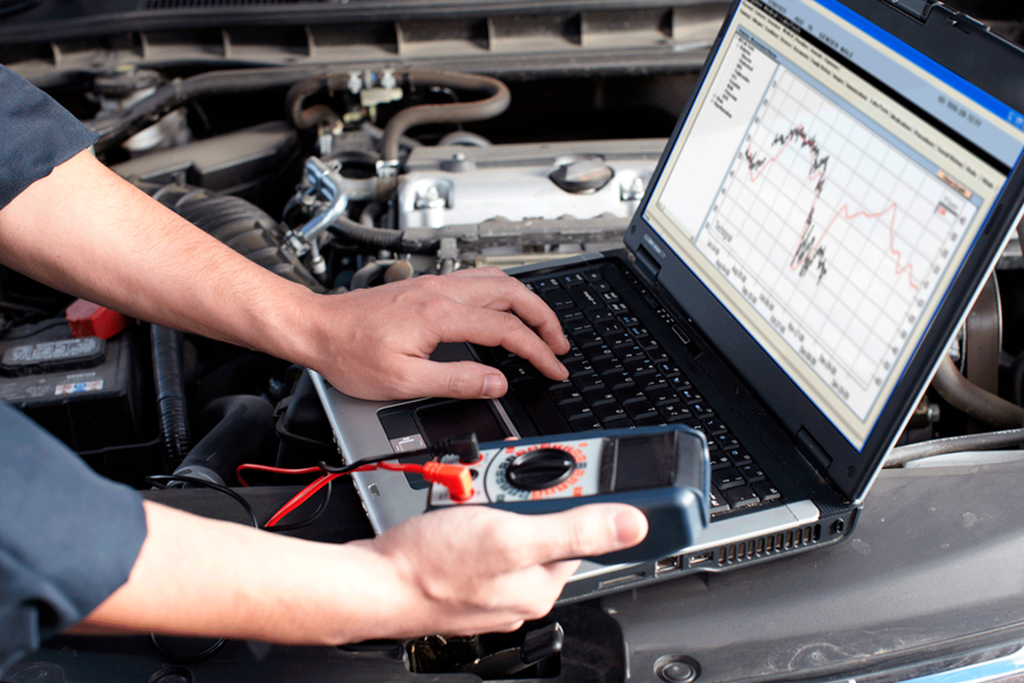
When people search for car diagnostic test Near Me, they are usually reacting to a warning light, unusual vehicle behaviour, or a recent MOT advisory. A modern vehicle can store dozens of fault codes across different systems, from the engine and emissions to braking and electronics, which is why diagnostic testing has become a standard part of vehicle maintenance in the UK.
A car diagnostic test is essentially a structured way of communicating with a vehicle’s onboard computer systems to understand what is working correctly and what is not. For UK drivers, especially those managing older diesel cars, high-mileage vehicles, or newer models with complex electronics, it offers a fast and efficient way to identify underlying issues before they become costly repairs.
This article explains how car diagnostic testing works, when it is needed, and what drivers in different UK regions, including Trowbridge, typically experience when they book a diagnostic check.
What a car diagnostic test actually involves
A car diagnostic test Near Me is carried out using an On-Board Diagnostics (OBD-II) scanner connected to the vehicle’s ECU (Engine Control Unit). This system has been standard in most UK vehicles since the early 2000s.
Once connected, the scanner reads stored fault codes and live data from different vehicle systems. These codes are not direct “answers” but indicators that help technicians understand where a problem may exist.
For example, a code might indicate:
- Misfires in one or more cylinders
- Oxygen sensor irregularities affecting fuel efficiency
- ABS sensor faults affecting braking stability
- Battery voltage or charging system issues
A key point often misunderstood by drivers is that the diagnostic tool does not “fix” the issue. It only provides structured information that needs interpretation by a trained technician. In real-world UK garages, this interpretation is what turns raw data into an accurate repair decision.
Why drivers often search for car diagnostic test Near Me
The phrase car diagnostic test Near Me is commonly used when drivers notice something unusual but are unsure how serious it is. This usually includes situations like a flashing engine light, reduced fuel efficiency, or a car entering limp mode.
In many UK towns and cities, drivers also search this phrase after failing an MOT emissions test or receiving a dashboard warning they do not recognise.
Typical scenarios include:
- A driver in a commuter town noticing higher fuel consumption during motorway travel
- A diesel vehicle owner seeing a DPF warning light during short-trip driving
- A family car showing intermittent electrical faults, such as sensor warnings that appear and disappear
In these situations, the goal is usually clarity rather than immediate repair. A diagnostic test helps separate minor sensor issues from more serious mechanical faults.
From an industry perspective, this search behaviour reflects a shift in how drivers approach vehicle maintenance. Instead of guessing the problem, they prefer a data-driven diagnosis before authorising repairs.
How modern vehicle diagnostics interpret fault data
Modern vehicles rely heavily on electronic systems, and diagnostic testing has evolved alongside them. The ECU continuously monitors sensors throughout the vehicle and adjusts performance in real time.
When something falls outside expected parameters, the system generates a Diagnostic Trouble Code (DTC). These codes fall into broad categories:
- Powertrain (engine and transmission)
- Body systems (lighting, windows, comfort controls)
- Chassis systems (ABS, steering, suspension sensors)
- Network communication faults between control modules
Technicians do not rely solely on the code itself. They often review live data streams such as airflow readings, fuel trim levels, and sensor voltages.
For instance, a misfire code might not mean a spark plug failure. It could also point to a vacuum leak or fuel injector imbalance. This is why experienced interpretation matters more than the scanning tool itself.
In professional garages across the UK, including independent workshops like S&M Auto Service, diagnostics are often combined with physical inspection to confirm what the data suggests.
Common dashboard warning lights and what they usually indicate
One of the main reasons drivers book a diagnostic test is the appearance of dashboard warning lights. While these lights are designed to be simple, they often represent complex underlying systems.
Some of the most common include:
Engine management light
Often linked to emissions, airflow sensors, or ignition issues. It can range from a loose fuel cap to more serious engine misfires.
ABS warning light
Usually indicates a fault with wheel speed sensors or the ABS module, affecting braking assistance.
DPF warning light (diesel vehicles)
Common in UK diesel cars used for short journeys. It suggests the diesel particulate filter is blocked or not regenerating properly.
Battery or charging system light
May indicate alternator issues, battery degradation, or wiring faults.
In many cases, drivers continue using the car without immediate symptoms, which can delay diagnosis. However, in workshop environments, technicians often find that early-stage faults are easier and cheaper to resolve than those left unchecked.
Car diagnostic test UK: what drivers should expect
Across the UK, a car diagnostic test UK typically follows a consistent process, although pricing and depth of inspection may vary depending on the garage.
A standard diagnostic appointment usually includes:
- Initial discussion of symptoms or warning lights
- Connection of diagnostic scanner to ECU
- Retrieval of stored and pending fault codes
- Basic interpretation of results
- Optional live data checks depending on the issue
Some garages offer a quick code read, while others provide a more in-depth analysis that includes road testing or system resets.
Cost expectations in the UK generally vary based on complexity rather than location alone. A simple scan is often more affordable, while detailed electrical diagnostics require more labour time.
It is also common for UK drivers to combine diagnostics with MOT preparation, especially when dealing with intermittent faults that are not always present during testing.
Regional differences and car diagnostic Trowbridge considerations
In smaller towns such as Trowbridge, diagnostic services often come from independent workshops rather than large dealership networks. This can influence both the approach and the level of personalised service offered.
A car diagnostic Trowbridge search often reflects drivers looking for accessible, local expertise rather than dealership-level pricing. In these environments, technicians tend to handle a wide variety of vehicle makes and models, which builds practical experience across different fault types.
In many regional garages, including operations like S&M Auto Service, diagnostics are integrated into general repair work rather than treated as a standalone service. This allows technicians to cross-check electronic findings with physical inspections, which is particularly useful for older vehicles common in rural and semi-urban UK areas.
For example, a fault code related to airflow may be investigated alongside checks for blocked air filters, intake leaks, or worn engine components, rather than relying on electronic data alone.
This combined approach often helps drivers in smaller towns get a clearer picture of whether a fault is urgent or developing over time.
Conclusion: understanding the value behind a diagnostic test
A modern car diagnostic test is not just a technical scan but a structured way of understanding vehicle health through data and expert interpretation. For drivers searching for car diagnostic test Near Me, the real need is usually clarity about a warning light or an unexpected change in performance.
Whether it is a routine car diagnostic test UK, or a more location-specific request such as car diagnostic Trowbridge, the process remains fundamentally the same: reading vehicle data, interpreting fault codes, and linking that information to real mechanical or electrical conditions.
Used correctly, diagnostics help prevent unnecessary repairs and support more informed decisions about vehicle maintenance, especially as modern cars continue to rely heavily on electronic systems.
 urbanwood44