
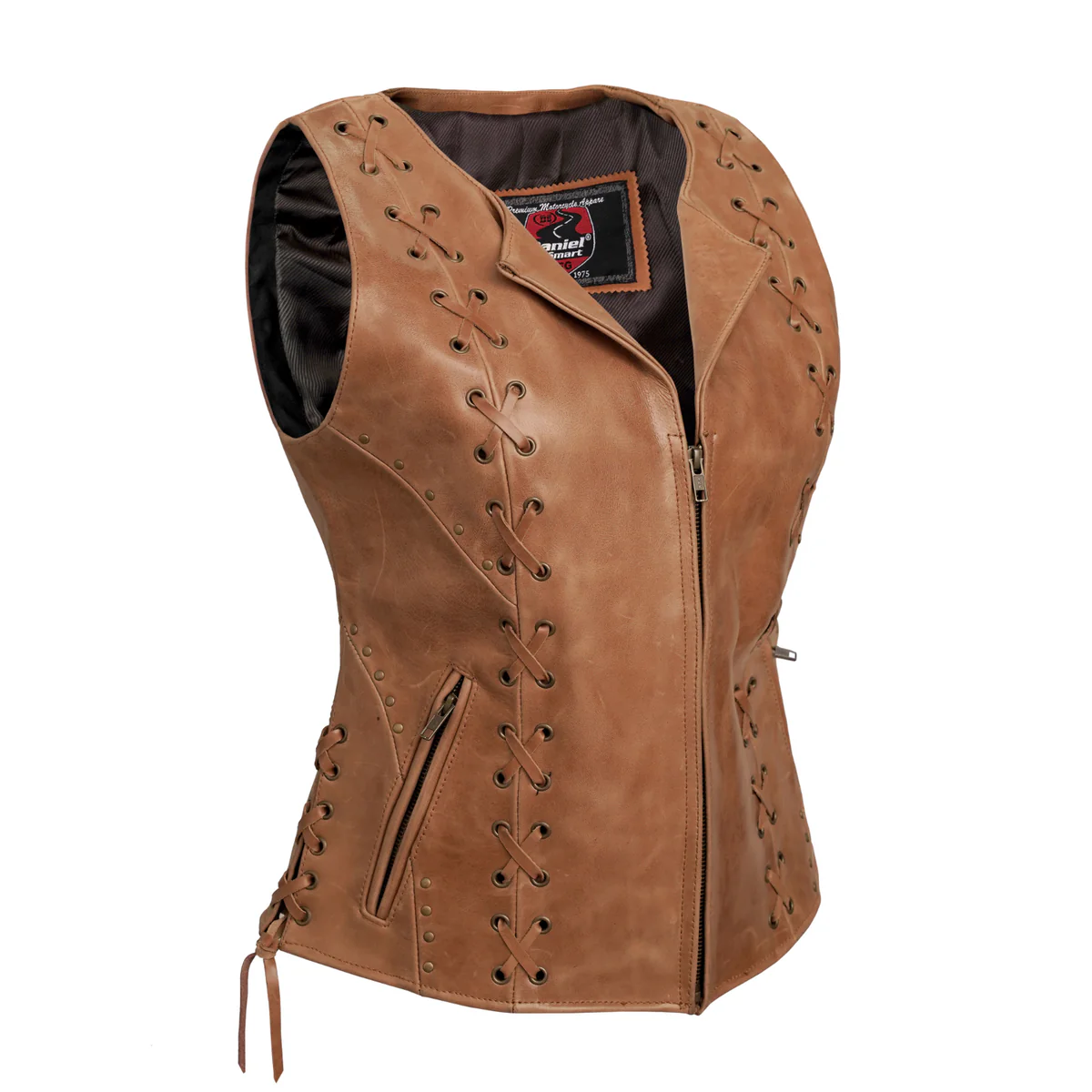
Rugged fashion has evolved from a functional style associated with labor-intensive professions, military utility, and motorcycle culture into one of the most influential forces in global streetwear. Originally designed for durability, protection, and practicality, rugged apparel gradually crossed into mainstream fashion through subcultural influence, celebrity adoption, luxury reinterpretation, and the rise of utility-driven aesthetics. Today, heavy-duty fabrics, leather outerwear, combat boots, distressed denim, tactical silhouettes, and motorcycle-inspired garments are central elements in modern urban fashion.
The integration of motorcycle apparel into streetwear represents one of the most significant transformations within the fashion industry over the last several decades. Items such as leather riding jackets, utility boots, denim riding gear, and the womens motorcycle vest have transitioned from specialized riding equipment into globally recognized style statements. This shift reflects broader consumer preferences toward authenticity, functionality, craftsmanship, and identity-driven fashion.
Modern streetwear consumers increasingly seek garments that combine visual impact with utility. Rugged fashion satisfies this demand by offering durability, protective construction, heritage appeal, and timeless styling. Simultaneously, motorcycle apparel manufacturers and fashion brands have adapted protective riding gear aesthetics for everyday wear, blending technical construction with contemporary silhouettes.
This article examines how rugged fashion became a mainstream streetwear style, the cultural and industrial forces behind its growth, the influence of motorcycle culture, the role of protective apparel, and the future trajectory of utility-focused fashion within modern consumer markets.
The Historical Foundations of Rugged Fashion
Workwear Origins and Industrial Influence
Rugged fashion traces its roots to industrial workwear developed during the late nineteenth and early twentieth centuries. Railroad workers, miners, factory laborers, ranchers, and military personnel required garments capable of enduring harsh physical conditions. Heavy canvas, raw denim, thick leather, and reinforced stitching became foundational materials because of their abrasion resistance and longevity.
Brands specializing in durable utility clothing introduced design elements that later became iconic in fashion:
- Reinforced seams
- Riveted denim construction
- Heavy leather jackets
- Utility pockets
- Weather-resistant fabrics
- Functional layering systems
Initially, these garments were designed purely for performance rather than aesthetics. However, authenticity and durability eventually became fashion attributes themselves.
Military and Tactical Influence
Military uniforms significantly influenced rugged streetwear aesthetics. Combat jackets, cargo pants, field boots, bomber jackets, and tactical layering systems entered civilian fashion following major global conflicts. Surplus military apparel became accessible to the public, introducing utilitarian silhouettes into everyday wardrobes.
The military-inspired rugged aesthetic contributed several defining characteristics to modern streetwear:
- Structured silhouettes
- Earth-tone color palettes
- Functional pocket systems
- Durable textile engineering
- Layered protection systems
These features later merged with motorcycle apparel and urban fashion trends.
Motorcycle Culture and the Rise of Rugged Streetwear
The Cultural Power of Biker Identity
Motorcycle culture played a defining role in transforming rugged apparel into a mainstream style category. Beginning in the mid-twentieth century, motorcycle clubs and independent riders cultivated an image centered on rebellion, freedom, craftsmanship, and mechanical individuality.
Leather jackets and motorcycle vests became symbolic identifiers within biker communities. These garments served both protective and cultural purposes, offering abrasion resistance while displaying club insignias, patches, and personal identity markers.
Hollywood significantly accelerated this transition. Films featuring rebellious motorcycle characters popularized biker aesthetics among mainstream audiences. Leather riding gear became associated with confidence, independence, and masculine ruggedness.
According to The Wild One and later motorcycle-inspired films, biker apparel evolved into a broader cultural symbol rather than remaining limited to riding communities.
The Evolution of the Motorcycle Vest
The motorcycle vest represents one of the clearest examples of rugged fashion transitioning into mainstream streetwear. Originally worn as practical riding gear, vests allowed freedom of movement while providing an outer layer for identification patches and additional storage.
Over time, designers adapted motorcycle vest silhouettes for fashion-focused consumers by introducing:
- Slimmer cuts
- Premium leather finishes
- Fashion-oriented hardware
- Denim and textile hybrids
- Gender-specific tailoring
- Layering versatility
Today, both men’s and women’s streetwear collections frequently incorporate motorcycle-inspired vests as statement pieces.
A growing number of consumers searching for a durable and style-oriented best biker vest often prioritize craftsmanship, premium leather quality, reinforced stitching, and heritage-inspired styling that reflects authentic motorcycle culture.
Why Rugged Fashion Appeals to Modern Consumers
Authenticity in Fashion Consumption
Modern consumers increasingly value authenticity over fast-fashion trends. Rugged apparel often communicates heritage, craftsmanship, and functional integrity, qualities that resonate strongly in an era dominated by disposable fashion cycles.
Leather motorcycle apparel, waxed canvas jackets, utility boots, and reinforced denim all signal durability and long-term usability. This aligns with broader consumer interest in sustainable purchasing behaviors and investment-oriented wardrobes.
Functional Streetwear Demand
Streetwear has evolved beyond purely aesthetic clothing. Modern urban consumers increasingly seek functionality, versatility, and protection in everyday apparel. Rugged fashion fulfills these demands through:
- Weather resistance
- Durable textiles
- Reinforced construction
- Multi-season wearability
- Practical storage features
- Protective layering systems
Motorcycle-inspired apparel naturally fits these expectations because protective riding gear has always prioritized performance engineering.
Influence of Gender-Neutral and Adaptive Styling
Rugged fashion also aligns with modern gender-fluid and adaptable fashion trends. Oversized silhouettes, utility garments, combat-inspired footwear, and layered outerwear can be styled across multiple fashion identities.
The womens motorcycle vest, for example, has evolved from a niche riding garment into a mainstream layering piece integrated into both minimalist and high-fashion streetwear aesthetics.
The Role of Streetwear Brands and Luxury Fashion
High Fashion Adoption of Utility Aesthetics
Luxury fashion houses began incorporating rugged and motorcycle-inspired elements into runway collections during the late twentieth century. Designers recognized growing consumer interest in utilitarian silhouettes and rebellious subcultural aesthetics.
This fusion introduced:
- Premium leather tailoring
- Designer motorcycle jackets
- Tactical-inspired luxury wear
- Utility-focused accessories
- Hybrid performance-fashion garments
The result was the legitimization of rugged fashion within elite fashion circles.
Collaboration Culture and Cultural Amplification
Streetwear collaborations between motorcycle brands, workwear manufacturers, luxury labels, and footwear companies accelerated the mainstream acceptance of rugged apparel.
Collaborative releases often emphasize:
- Heritage craftsmanship
- Limited-edition production
- Authentic subcultural storytelling
- Technical material innovation
These collaborations transformed rugged apparel into collectible fashion assets.
Material Innovation and Protective Apparel Technology
Advanced Textile Engineering
Modern motorcycle apparel has significantly benefited from advancements in textile science and protective engineering. Contemporary rugged fashion increasingly incorporates technical materials originally developed for performance riding gear.
Common innovations include:
- Abrasion-resistant fabrics
- Kevlar reinforcement
- Moisture-wicking liners
- Ventilation systems
- Impact-protection integration
- Waterproof membrane technology
These features allow rugged streetwear to combine aesthetics with practical performance.
Leather as a Cultural and Functional Material
Leather remains one of the most influential materials within rugged fashion due to its durability, aging characteristics, and symbolic associations with strength and resilience.
Protective motorcycle leather garments typically use full-grain or top-grain leather because of their superior abrasion resistance. Over time, fashion consumers adopted leather garments for their visual texture, longevity, and heritage appeal.
According to Encyclopaedia Britannica, leather has historically been valued for durability and protective utility across multiple industries.
Social Media and Celebrity Influence
Digital Culture and Rugged Aesthetics
Social media platforms dramatically accelerated the visibility of rugged streetwear. Influencers, musicians, athletes, and fashion creators frequently incorporated biker-inspired clothing into contemporary urban styling.
Platforms emphasizing visual culture contributed to the normalization of:
- Leather layering
- Vintage motorcycle jackets
- Utility boots
- Distressed denim
- Tactical accessories
- Heritage workwear styling
Streetwear communities also helped educate consumers about garment quality, leather grading, stitching methods, and construction standards.
Celebrity Endorsement and Cultural Legitimization
Celebrities significantly contributed to mainstream acceptance by incorporating rugged fashion into public appearances, music videos, and street-style photography.
Motorcycle-inspired fashion became associated with:
- Confidence
- Independence
- Authenticity
- Functional luxury
- Rebellious individuality
These symbolic associations remain central to rugged fashion marketing today.
Expert Insights and Best Practices in Rugged Fashion Styling
Balancing Functionality and Fashion
Industry experts consistently emphasize the importance of balancing technical utility with visual cohesion. Rugged fashion is most effective when garments maintain authentic construction standards rather than purely decorative imitation.
Best practices include:
- Prioritizing material quality over trend cycles
- Selecting garments with reinforced construction
- Using layering strategically
- Combining rugged pieces with minimalist basics
- Investing in versatile outerwear
Authenticity remains a critical component of successful rugged styling.
Understanding Protective Garment Construction
Protective motorcycle apparel incorporates specialized construction techniques that influence durability and performance. Consumers seeking authentic rugged fashion should evaluate:
- Stitch density
- Leather thickness
- Hardware durability
- Seam reinforcement
- Textile abrasion ratings
- Ventilation architecture
These characteristics distinguish genuine protective-inspired apparel from superficial fashion replicas.
Sustainable Consumption and Longevity
Experts increasingly recommend rugged apparel as part of long-term sustainable wardrobe strategies. Durable garments reduce replacement frequency and promote responsible consumption practices.
According to Wikipedia – Slow Fashion, slow-fashion principles emphasize durability, longevity, and reduced waste, all of which align with rugged apparel philosophy.
Common Misconceptions About Rugged Streetwear
Misconception 1: Rugged Fashion Is Only for Motorcycle Riders
One of the most common misconceptions is that rugged apparel only serves functional riding purposes. In reality, modern rugged fashion encompasses lifestyle, heritage, workwear, and urban streetwear applications.
Misconception 2: Rugged Clothing Sacrifices Comfort
Advancements in textile engineering have significantly improved comfort, flexibility, and breathability within motorcycle-inspired apparel. Modern garments often incorporate ergonomic tailoring and adaptive fabrics.
Misconception 3: Rugged Fashion Is Exclusively Masculine
Contemporary fashion markets increasingly recognize female consumers within motorcycle and streetwear categories. The expansion of the womens motorcycle vest market demonstrates growing demand for gender-inclusive rugged fashion design.
Misconception 4: Rugged Apparel Is Only a Passing Trend
Rugged fashion has demonstrated long-term cultural resilience due to its foundation in functionality, craftsmanship, and heritage identity rather than temporary trend cycles.
The Future of Rugged Fashion in Streetwear
Technical Fashion Integration
The future of rugged streetwear will likely involve deeper integration between protective apparel technology and urban fashion design. Smart textiles, adaptive ventilation systems, and lightweight protective materials may become increasingly common.
Sustainability and Ethical Manufacturing
Consumers increasingly demand transparency regarding:
- Leather sourcing
- Ethical manufacturing
- Material sustainability
- Product longevity
- Repairability
Brands capable of combining durability with ethical production standards will likely dominate future rugged fashion markets.
Hybrid Lifestyle Apparel
Future rugged fashion will continue blurring distinctions between:
- Protective riding gear
- Luxury streetwear
- Technical outerwear
- Utility-focused casualwear
This hybridization reflects broader consumer demand for multi-functional apparel suitable for both performance and everyday urban environments.
Conclusion
Rugged fashion became mainstream streetwear through a complex intersection of motorcycle culture, industrial workwear heritage, military influence, celebrity endorsement, luxury fashion adaptation, and evolving consumer demand for authenticity and functionality. What began as protective and utility-focused apparel eventually transformed into a globally recognized fashion movement centered on durability, individuality, and timeless craftsmanship.
Motorcycle-inspired garments, including leather jackets and vests, continue influencing modern fashion because they represent more than aesthetics alone. They embody performance engineering, cultural identity, resilience, and heritage authenticity. As fashion consumers increasingly prioritize sustainability, versatility, and long-term value, rugged apparel remains positioned as a defining force within the future of streetwear and technical fashion innovation.
FAQs
How did motorcycle culture influence mainstream streetwear?
Motorcycle culture introduced leather jackets, protective vests, rugged boots, and rebellious aesthetics into popular fashion. Through film, music, and celebrity adoption, biker apparel transitioned from functional riding gear into globally recognized streetwear staples.
Why is rugged fashion considered timeless?
Rugged fashion emphasizes durability, craftsmanship, and practical utility rather than temporary trends. These qualities create long-lasting consumer appeal across multiple generations and fashion cycles.
What materials are most commonly used in rugged streetwear?
Common materials include full-grain leather, waxed canvas, heavyweight denim, reinforced cotton, ballistic nylon, and abrasion-resistant synthetic textiles commonly derived from protective apparel engineering.
What makes motorcycle-inspired apparel different from ordinary fashion clothing?
Motorcycle-inspired apparel often incorporates reinforced stitching, abrasion-resistant materials, ergonomic construction, protective layering systems, and durable hardware designed for performance and safety.
Why has the womens motorcycle vest become popular in streetwear?
The womens motorcycle vest combines versatility, layered styling potential, and rugged aesthetics while reflecting broader fashion trends centered on utility, individuality, and heritage-inspired design.
Is rugged fashion connected to sustainability?
Yes. Rugged apparel typically emphasizes durability and long-term wearability, which aligns with slow-fashion principles focused on reducing waste and minimizing excessive garment replacement.
How do luxury brands incorporate rugged aesthetics?
Luxury brands often reinterpret motorcycle and workwear elements through premium materials, tailored silhouettes, elevated craftsmanship, and technical garment innovation while maintaining utilitarian influences.
What role does social media play in rugged fashion popularity?
Social media platforms amplify visual trends, influencer styling, and subcultural fashion aesthetics. Rugged streetwear benefits from highly visual content showcasing leather outerwear, utility layering, and heritage-inspired styling.
Are rugged fashion garments practical for daily wear?
Many rugged garments are highly practical because they prioritize durability, weather resistance, storage functionality, and versatile layering capabilities suitable for urban lifestyles.
What should consumers evaluate when purchasing rugged apparel?
Consumers should examine leather quality, seam reinforcement, textile durability, hardware construction, ergonomic fit, ventilation systems, and overall craftsmanship to ensure long-term performance and value.
 taraloc543
  Henry
Henry 