
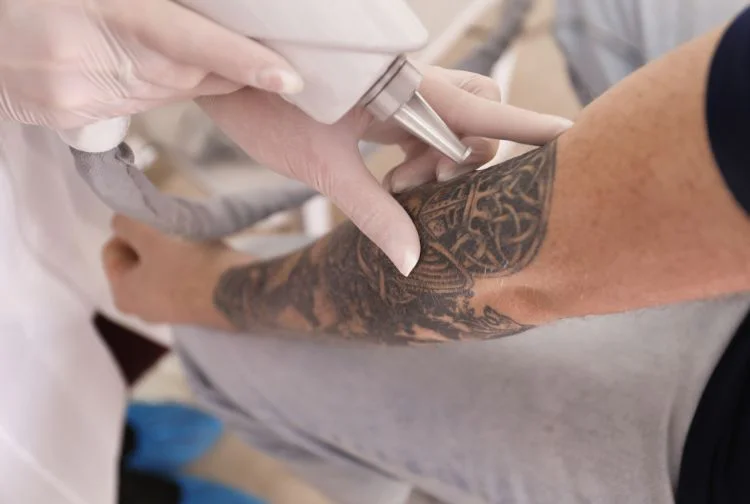
Tattoos are often created to be permanent expressions of art, identity, or memories. However, as time passes, personal tastes change, and what once felt essential might now feel like a mismatch with who you are today. For years, clearing away unwanted ink was a lengthy, uncomfortable, and often incomplete process. Traditional methods frequently struggled with specific ink colors and required dozens of sessions, leaving many people discouraged.
Fortunately, advancements in aesthetic technology have completely transformed this landscape. If you are looking for an advanced, highly effective solution, Picosure Tattoo Removal in Abu Dhabi offers a sophisticated approach that tackles even the most resilient pigments. By utilizing ultra-short pulses of energy, this innovation breaks down ink particles into microscopic fragments that the body can naturally eliminate, rewriting the rules of skin clearing.
- Evolving Perspectives: Personal styles and preferences change over time, turning once-beloved tattoos into candidates for removal.
- Traditional Limitations: Older clearing methods often required numerous sessions and struggled with stubborn pigments.
- Technological Breakthroughs: Modern aesthetic innovations offer faster, more comprehensive results for clearing unwanted body art.
- Targeted Success: Advanced energy delivery mechanisms break down resilient ink colors with remarkable precision.
Understanding the Challenge of Unwanted Ink
To appreciate how modern clearing methods work, it helps to understand why tattoos are permanent in the first place. When an artist injects ink into the skin, the pigment particles are deposited into the deeper dermal layer. These particles are significantly larger than the body’s natural defense cells. While your immune system immediately recognizes the ink as a foreign substance and attempts to flush it away, the sheer size of the pigment clumps prevents them from being moved.
Furthermore, different ink colors present unique challenges. Darker shades like black and dark blue absorb energy easily, making them simpler to address. In contrast, vibrant hues like green, sky blue, yellow, and orange are notoriously stubborn. They reflect many light wavelengths, requiring specialized technology capable of targeting their specific chemical compositions without harming the surrounding tissue.
- Dermal Deposition: Tattoo ink resides deep within the dermal layer, safely out of reach of superficial skin shedding.
- Particle Size Obstacle: The immune system cannot naturally remove ink because the pigment clusters are too large for cells to engulf.
- Color-Specific Resistance: Bright and light-colored pigments reflect standard light wavelengths, making them difficult for traditional systems to alter.
- The Need for Precision: Successfully clearing multi-colored tattoos requires technology that can adapt to different pigment behaviors.
The Science Behind Picosecond Technology
The major turning point in ink clearance came with the transition from nanosecond lasers to picosecond technology. Older systems relied on photothermal action, meaning they heated the ink particles until they broke apart. While effective to a degree, this heat could easily spread to the surrounding skin, increasing the timeline for recovery and limiting how effectively the ink could be shattered.
Picosecond technology changes the entire mechanism from heat-based to pressure-based. A picosecond is one-trillionth of a second. By delivering energy at this incredibly rapid speed, the technology creates an intense photomechanical impact. Instead of baking the ink, it essentially creates a microscopic shockwave that shatters the large pigment clusters into a fine dust, resembling tiny sand particles.
- Thermal vs. Mechanical: Older systems relied on heat to break down ink, whereas modern options use rapid pressure.
- Trillionth of a Second: The ultra-short pulse duration prevents thermal energy from spreading to healthy tissue.
- Photomechanical Impact: Rapid energy delivery creates a pressure wave that shatters target pigments instantly.
- Microscopic Results: Ink is reduced to a fine, dust-like consistency, making it far easier for the body to process.
How This Advanced System Targets Stubborn Colors
One of the greatest achievements of this specific picosecond system is its unique wavelength capability. It primarily utilizes a 755nm wavelength, which is optimally absorbed by difficult colors like green, blue, and purple. Traditional systems frequently left ghost images or stubborn faded patches of these specific colors, but the 755nm wavelength targets them directly with exceptional accuracy.
Additionally, specialized handpieces can convert the energy to accommodate other wavelengths, such as 532nm, which is ideal for warm tones like red, orange, and yellow. This multi-wavelength adaptability ensures that regardless of how complex, detailed, or colorful a tattoo is, the energy can be customized to match the precise absorption spectrum of every single ink layer.
- Optimized Wavelengths: The 755nm delivery wavelength is uniquely suited for clearing difficult blues and greens.
- Versatile Handpieces: Adaptable attachments allow the system to switch frequencies and address warm tones like red and yellow.
- Comprehensive Clearance: Multi-colored tattoos can be addressed systematically during the clearing process.
- Reduced Fading Patches: Enhanced targeting prevents the semi-faded, “ghost” ink outlines common with older methods.
The Role of the Body’s Natural Clearance System
Once the technology successfully shatters the stubborn ink into microscopic particles, its job is done, and the body’s natural defense systems take over. Specialized white blood cells, known as macrophages, move into the area. Because the ink has been reduced from large boulders to tiny grains of sand, these cells can easily engulf the fragments.
The fragments are then transported through the lymphatic system and safely processed out of the body. Because this natural filtration process takes time, sessions are spaced several weeks apart. This deliberate pacing allows the body to clear away the shattered ink from the previous session before the next layer of pigment is targeted.
- Immune Response Activation: Shuttered ink particles trigger a natural localized immune response.
- Macrophage Mobilization: Cellular scavengers easily engulf the microscopic dust particles left behind by the pressure waves.
- Lymphatic Processing: The body naturally filters out and eliminates the pigment debris over the course of several weeks.
- Strategic Interval Timing: Spacing sessions apart gives the immune system ample time to maximize clearance after every application.
Why Speed and Efficiency Matter for the Skin
Because picosecond energy is delivered so rapidly, the targeted ink absorbs the pressure wave before the energy has a chance to convert into heat and transfer to the surrounding skin layers. This phenomenon is known as maintaining a localized photomechanical effect, and it is a major benefit for skin health.
Minimizing the thermal footprint means that the skin undergoes less unnecessary stress. The surrounding tissue remains completely untouched, which fundamentally alters the recovery experience. Skin returns to its normal state much faster between sessions, allowing for a more streamlined, predictable, and comfortable overall journey toward clear skin.
- Minimized Heat Transfer: Ultra-fast pulses ensure energy remains concentrated on the ink rather than radiating into healthy skin.
- Preserving Tissue Integrity: Keeping surrounding tissue safe protects the natural architecture of the skin.
- Efficient Recovery Cycles: Less thermal stress translates to a smoother and more comfortable downtime between appointments.
- Streamlined Process: Patients can maintain consistent progress without prolonged delays due to skin irritation.
What to Expect During the Clearing Journey
Every tattoo removal journey begins with a thorough assessment of the artwork. A professional will evaluate the age of the tattoo, the depth of the ink, the colors used, and your skin type. Because every tattoo is unique—some being professional grade with dense ink, others being amateur with irregular depths—a customized plan is essential for achieving optimal results.
During a typical session, the device passes over the skin, emitting rapid pulses. Clients often describe the sensation as similar to the snapping of a thin rubber band against the skin. Because the technology is highly efficient, sessions are remarkably fast, often lasting only a few minutes for smaller designs, making it easy to fit into a busy schedule.
- Individualized Assessments: Factors such as ink density, age, and colors dictate the custom strategy for each individual.
- Rapid Session Times: The speed of picosecond delivery allows sessions to be completed in a fraction of the time of older methods.
- Sensation Profiles: Most individuals compare the quick pulses to a light snapping sensation against the skin surface.
- Progressive Fading: Tattoos steadily lighten as the layers of ink are systematically broken down and cleared away.
Maximizing Your Results with Proper Care
While the technology does the heavy lifting in fracturing the ink, your post-session habits play a vital role in how effectively your body processes those particles. Keeping the area clean, protected, and hydrated creates the perfect environment for the skin to rest and restore itself.
Staying well-hydrated and engaging in light physical activity can also support your lymphatic system, keeping the circulation active to help move the shattered particles away efficiently. Protecting the area from direct sun exposure is equally crucial, as it keeps the skin healthy and ready for its subsequent sessions.
- Hydration is Key: Drinking plenty of water supports the lymphatic system in flushing out disrupted pigment fragments.
- Sun Protection: Keeping the treated area shielded from UV rays maintains optimal skin condition throughout the process.
- Gentle Topical Support: Applying recommended soothing ointments keeps the skin barrier hydrated and supported.
- Patience Throughout the Process: Giving the body time to clear ink naturally ensures the best aesthetic outcome.
Frequently Asked Questions
How does a picosecond system differ from older tattoo removal methods?
Older methods relied heavily on photothermal action, which used heat energy to break down ink particles. This approach could sometimes affect the surrounding skin and required a higher number of sessions. Picosecond systems utilize photomechanical pressure, delivering energy in a trillionth of a second to shatter ink into microscopic particles without heating the surrounding tissue.
Why are green and blue inks so difficult to remove, and how is this solved?
Green and blue inks are stubborn because they do not absorb standard laser light wavelengths effectively. Advanced picosecond technology utilizes a specific 755nm wavelength that is highly absorbed by these precise colors. This allows the system to fracture the stubborn pigment clusters that older technologies often leave behind.
How many sessions are generally required to clear a tattoo completely?
The exact number of sessions varies significantly for every individual based on the size of the tattoo, the depth of the ink, the colors used, and how old the tattoo is. However, because picosecond technology shatters ink into much smaller particles than traditional systems, it generally achieves the desired results in fewer sessions overall.
Can multi-colored and complex tattoos be addressed effectively?
Yes, multi-colored tattoos can be managed effectively due to the adaptable wavelengths of modern picosecond systems. By utilizing different settings and specialized handpieces, the energy can be tailored to target dark, vibrant, and light ink colors during the course of the clearing program.
 Henry
Henry 