
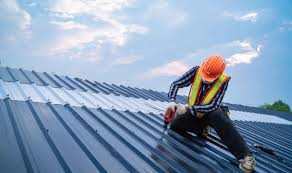
Choosing the right shingles for your Ottawa home affects durability, energy efficiency, and long-term cost — pick materials that handle freeze-thaw cycles, heavy snow, and local wind conditions. Quality roofing shingles Ottawa homeowners choose should provide strong weather resistance and lasting protection throughout every season. You can expect asphalt architectural shingles to offer the best balance of cost, lifespan, and weather resistance for most Ottawa roofs, while specialty options like metal or premium laminated shingles suit specific budgets and design goals. This article walks you through common shingle types, local performance factors, and practical considerations—ventilation, slope, warranty, and contractor selection—so you can make a confident choice that fits your home and climate. Selecting reliable roofing shingles Ottawa contractors recommend can help improve your roof’s performance, appearance, and overall property value for years to come.
Types of Residential Shingles
You’ll find shingle options that balance cost, longevity, and energy performance for Ottawa’s climate. Focus on materials that resist freeze-thaw cycles, shed snow, and tolerate wind uplift.
Asphalt Shingles Overview
Asphalt shingles remain the most common choice in Ottawa because they balance price and performance. You can choose between 3-tab and laminated (architectural) styles; 3-tab offers budget-friendly coverage while laminated provides thicker layers and improved wind resistance. Expect service lives from about 15 years for economy 3-tab up to 25–30 years for upgraded asphalt with proper attic ventilation. Maintenance is straightforward: inspect after heavy storms, replace damaged shingles, and keep gutters clear to prevent ice dams. Look for Class A fire ratings and high wind-rated products (e.g., 130 mph) if your home faces exposure. Warranties vary—read manufacturer terms for coverage of algae, hail, and wind.
Architectural Shingle Options
Architectural (laminated) shingles mimic the depth of wood or slate without the weight or cost. You’ll get multiple laminated layers bonded together, increasing impact resistance and dimensional appearance. Typical lifespans run 25–40 years depending on quality and roof pitch. Choose premium blends with polymer-modified asphalt for better granule adhesion and enhanced granule color retention. Many designs carry higher wind and impact ratings, which helps on exposed Ottawa lots. Installation matters: staggered placement, proper nailing patterns, and underlayment selection all affect performance and warranty validity.
Energy-Efficient Shingle Choices
Energy-efficient shingles reduce heat gain and can lower cooling loads in summer while still performing in cold winters. You should look for shingles labeled “cool” or ENERGY STAR-rated reflective shingles; these use specially engineered granules to reflect infrared radiation. Reflection doesn’t harm winter performance but can slightly alter attic temperatures. Consider light to medium colors for reflective benefits, or choose shingles with higher Solar Reflectance Index (SRI). Pair reflective shingles with good attic insulation and ventilation—this combination prevents ice dams and maintains year-round energy savings. Verify manufacturer thermal test data and recall that energy savings depend on your roof’s orientation, insulation levels, and local microclimate.
Key Considerations for Ottawa Homeowners
Decide which trade-offs matter most: resistance to freeze-thaw cycles, upfront cost versus lifecycle cost, and compliance with local permit and installation standards. Prioritize materials and contractors that match those priorities.
Climate Impact on Roofing Materials
Ottawa’s winters bring heavy snow, freeze-thaw cycles, and occasional ice dam formation. Choose shingles or roofing systems rated for low-temperature flexibility and strong granule adhesion to avoid cracking and accelerated wear.
Metal and synthetic shingles resist ice and shed snow faster than traditional asphalt, reducing static snow load and ice-dam risk. Asphalt shingles can perform well if you select high-wind, cold-weather formulations and ensure proper attic ventilation and insulation to limit ice dams. Consider hail resistance and impact ratings (Class 3–4 for moderate protection). Also check solar reflectance and thermal emittance if summer heat gain concerns you; lighter-coloured or coated options lower cooling loads. Finally, assess noise tolerance—metal roofs can be louder during rain unless you add solid sheathing or sound‑dampening underlayment.
Longevity and Warranty Factors
Compare expected service life: standard 3‑tab asphalt often lasts 15–25 years, architectural asphalt 25–30+ years, and metal or high‑quality synthetics can exceed 40 years. Match material choice to how long you plan to stay in the home.
Read warranty fine print carefully—distinguish between material, labor, and pro‑rated versus non‑prorated coverage. Many manufacturer warranties require specific underlayments, ventilation, and installer certification to remain valid. Ask the contractor for written evidence of manufacturer certifications and confirm whether they offer a workmanship warranty. Keep records of installation details, invoices, and any warranty registration; these documents matter when filing future claims.
Installation Regulations in Ottawa
You must follow the City of Ottawa’s building bylaws and obtain permits for most re‑roofing projects that modify structural elements or change roof coverings significantly. Check whether your project needs a building permit before work starts to avoid fines and costly rework. Ensure the chosen installer complies with local code for ice‑and‑water shield installation at eaves, proper ventilation requirements (soffit and ridge or mechanical ventilation), and minimum insulation levels tied to energy code updates. Request proof of the contractor’s liability and WSIB (workplace safety) clearance. Keep copies of permit approvals and inspection reports; municipal inspections often verify flashing, venting, and chimney work that directly affect roof performance.
 hayatipro8
 smithsjons