
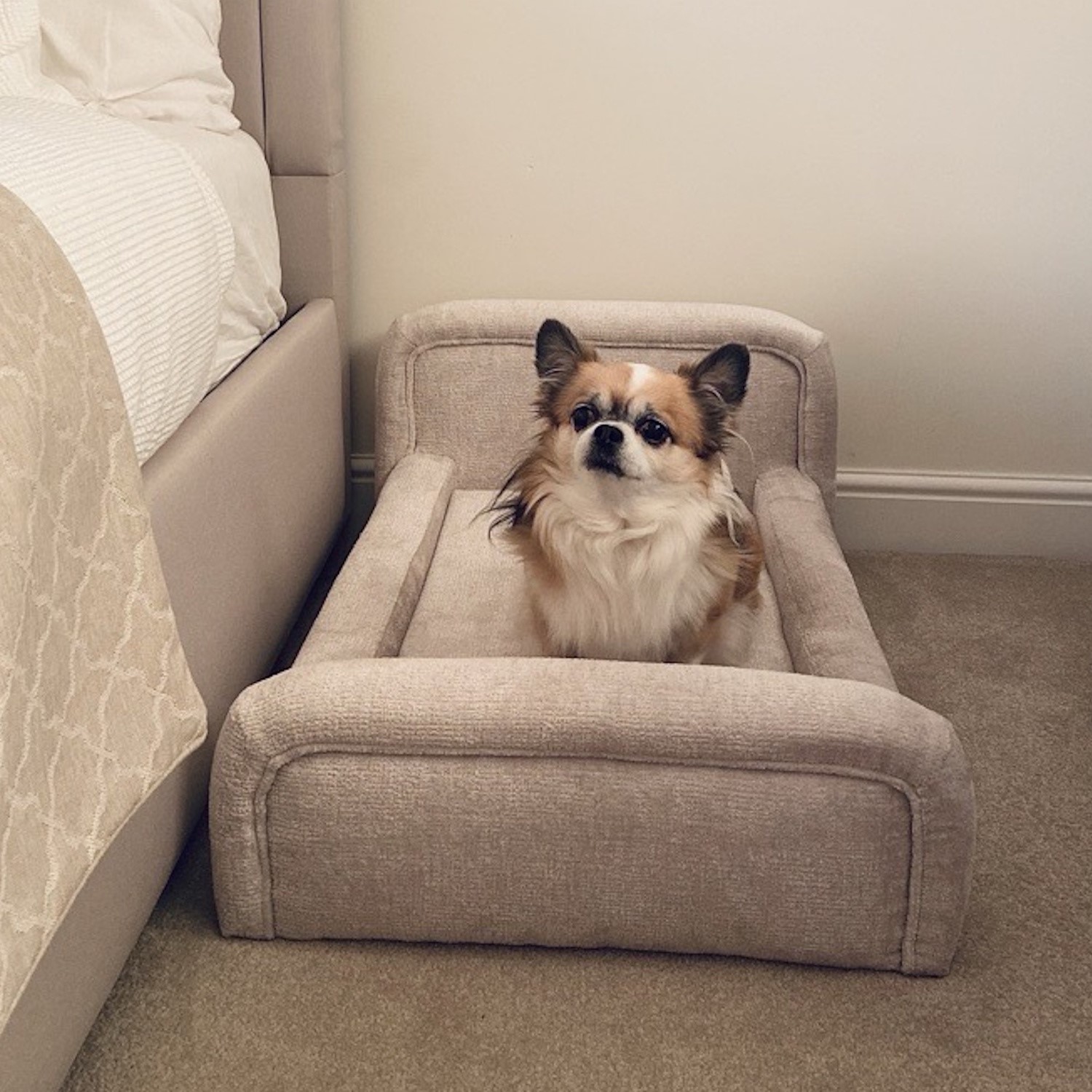
If you share your home with a dog, you already know how important comfort is for them. Dogs spend a large part of their day resting, sleeping, or simply relaxing after a walk or playtime. A good dog bed gives them a safe and cosy place to unwind. But when muddy paws, fur, drool, and accidents become part of daily life, a washable dog bed quickly becomes a must-have.
Choosing the right washable dog bed can feel confusing because there are so many options available. Some beds look soft but are hard to clean. Others may wash well but lose shape after a few uses. The best choice is one that keeps your dog comfortable while also making life easier for you. This guide will help you understand exactly what to look for so you can choose a washable dog bed that suits your furry mate perfectly.
Why a Washable Dog Bed Matters
Dogs bring dirt, fur, and smells into the house without meaning to. Even the cleanest dogs can leave a bed looking worn and messy after a while. A washable dog bed helps keep your home fresher and healthier.
Regular washing removes dirt, dust, hair, and bacteria. It can also help dogs with allergies or sensitive skin. If your dog sheds heavily or spends time outdoors, being able to wash the bed easily saves you a lot of stress. Washable beds are also useful for puppies, older dogs, and dogs recovering from illness. Accidents happen, and having a bed that can go straight into the wash makes clean-up far simpler.
Think About Your Dog’s Size First
One of the biggest mistakes people make is buying a bed that is too small. Your dog should be able to stretch out fully without hanging over the edges. Measure your dog while they are lying down in their normal sleeping position. Add a little extra space so they can move comfortably. A bed that is too cramped can affect sleep quality and comfort. Large breeds often need thicker support because of their weight. Smaller dogs may prefer soft and snug beds that make them feel secure. If you have a growing puppy, you might want to choose a slightly larger bed so they can grow into it.
Consider Your Dog’s Sleeping Style
Every dog sleeps differently. Some curl into a tight ball while others sprawl across the floor. Dogs that curl up often enjoy round or donut-shaped beds with raised edges. These give them a sense of safety and warmth. Dogs that stretch out usually prefer flat mattress-style beds with more open space. Some dogs like resting their head on a raised side. Bolster beds work well for these dogs because they provide head and neck support. Watching how your dog sleeps now can help you choose a bed they will actually use.
Choose the Right Material
The material affects comfort, durability, and how easy the bed is to clean. Soft fleece and plush fabrics feel warm and cosy, especially during colder months. Cotton covers are breathable and suitable for warmer weather. Canvas and heavy-duty fabrics are often better for active dogs because they resist wear and tear.
If your dog loves chewing or scratching, avoid delicate materials that can rip easily. Water-resistant linings can also help protect the inside of the bed from accidents or spills. This feature is especially useful for puppies or senior dogs.
Check How Easy It Is to Wash
Not all washable dog bed are equally easy to clean. Some only have removable covers, while others can be fully machine washed. A removable cover with a zip is usually the easiest option. You can wash the cover regularly without needing to wash the whole bed each time.
Make sure the cover is machine washable and check whether it can go in the dryer. Some materials shrink or lose shape after washing.
If the entire bed is washable, check its size first. Large beds may not fit easily into a standard washing machine. Quick-drying materials can also make a big difference, especially during winter or wet weather.
Look at the Filling and Support
The inside filling affects both comfort and long-term durability. Memory foam beds are popular because they provide strong support for joints and muscles. They are especially good for older dogs or breeds prone to joint problems.
Polyfill beds feel softer and fluffier but may flatten over time. These are often suitable for younger dogs without mobility issues. Orthopaedic beds are designed to reduce pressure on joints. If your dog struggles with arthritis or stiffness, this type of bed may help them rest more comfortably. Always check whether the filling stays in shape after washing. Poor-quality filling can become lumpy quickly.
Think About Your Dog’s Age
A puppy’s needs are different from those of an older dog. Puppies often chew, scratch, and have toilet accidents. Durable and easy-to-clean beds are important during this stage. Avoid expensive beds until your puppy grows out of destructive habits. Adult dogs usually need comfort and support based on their activity level and breed.
Senior dogs benefit from thicker cushioning and orthopaedic support. Beds with low sides are easier for older dogs to climb into without strain. Choosing a bed based on your dog’s age helps improve their comfort and sleep quality.
Pay Attention to Temperature and Climate
Australia’s climate can vary greatly depending on where you live. Some dogs struggle in hot weather while others feel cold easily. Cooling beds or breathable fabrics help dogs stay comfortable during summer. Raised beds that allow airflow underneath can also help prevent overheating.
For colder areas, thicker beds with soft materials provide warmth and comfort. Dogs with thick coats may prefer cooler surfaces, while short-haired breeds often enjoy warmer bedding. Keeping your local weather in mind can help your dog stay comfortable all year round.
Durability Matters More Than Appearance
A stylish bed may look nice in your home, but durability is what truly matters over time. Strong stitching, quality zips, and durable fabric help the bed last longer. Cheap beds often flatten quickly or tear after repeated washing.
If your dog digs before lying down, choose a tougher fabric that can handle scratching. Reading reviews from other dog owners can give you a better idea of how well a bed holds up after months of use. A durable bed may cost more at first, but it often saves money in the long run because you will not need to replace it as often.
Odour Control Can Make a Big Difference
Dog beds can trap smells over time, especially in humid weather. Some washable beds use odour-resistant fabrics or moisture-wicking materials to help keep smells under control. Washing the cover regularly and allowing the bed to dry completely can prevent musty smells from building up. Beds with removable covers are much easier to freshen up regularly compared to fully stitched beds.
Safety Should Never Be Overlooked
Your dog’s bed should feel safe and stable. Non-slip bottoms help prevent the bed from sliding on tiles or wooden floors. This is especially important for older dogs or energetic puppies. Avoid beds with loose decorations, buttons, or fragile pieces that can become choking hazards. Check zips and seams carefully. Poor stitching can break easily and expose filling material that dogs may chew or swallow.
Where Will the Bed Be Placed?
Think about where your dog normally likes to rest. If the bed will stay in the lounge room, you may want something that matches your home décor. If it is for outdoor use, weather-resistant materials are a better option. Some dogs like quiet corners while others prefer sleeping near the family. Placing the bed in a familiar and comfortable spot encourages your dog to use it. If you travel often, lightweight and portable beds can make trips easier for both you and your dog.
How Often Should You Wash a Dog Bed?
Most dog beds should be washed every one to two weeks, depending on your dog’s lifestyle. Dogs that spend a lot of time outdoors may need more frequent cleaning. Dogs with allergies or skin conditions also benefit from cleaner bedding. Regular washing helps remove fur, dirt, fleas, and bacteria. It also keeps your home smelling fresher. Always follow the care instructions to avoid damaging the bed during washing.
Signs It’s Time to Replace a Dog Bed
Even good-quality dog beds eventually wear out. If the filling has flattened, the cover is torn, or your dog seems restless while sleeping, it may be time for a replacement. Older beds can collect bacteria and allergens even with regular cleaning. A supportive and clean bed plays an important role in your dog’s health and comfort, so replacing worn-out bedding is worth it.
Common Mistakes to Avoid
Many dog owners buy beds based only on appearance or price. Comfort and practicality matter far more. Choosing a bed without checking the washing instructions can create problems later. Some beds are labelled washable but are difficult to clean properly. Ignoring your dog’s sleeping habits can also lead to disappointment. A bed your dog dislikes may end up unused in the corner. Buying the wrong size is another common issue. Always measure your dog first instead of guessing.
Final Thoughts
Choosing the best washable dog bed is about more than just finding something soft. The right bed supports your dog’s body, suits their sleeping style, and stays clean without too much effort. A washable bed makes life easier for you while helping your furry friend stay healthy and comfortable. By thinking about size, material, support, durability, and cleaning ease, you can find a bed that both you and your dog will love. Your dog depends on you for comfort and care every day. A good washable bed gives them a cosy place to rest, recharge, and feel safe at home.
 NailaSEO6
  Peregrin