
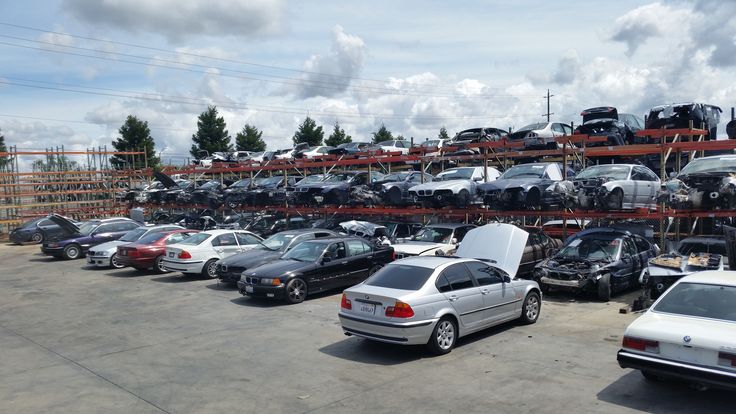
Many people look at a wrecked car and think it is only scrap metal. A smashed bonnet, broken lights, bent doors, or a damaged engine can make a vehicle look useless. Yet the truth is very different. Wrecked cars still carry value in many ways, and that value often surprises car owners.
Across Australia, thousands of damaged vehicles leave the road every year after crashes, storms, floods, or mechanical failure. Some owners leave these vehicles sitting in garages or backyards because they think nobody wants them. Others pay money to store them while they slowly rust away. What many people do not realise is that wrecked cars still contain working parts, recyclable metals, and materials that continue to hold worth.
The car wrecking industry has grown over the years because more people now understand the hidden value inside damaged vehicles. Mechanics, car owners, recyclers, and parts buyers all rely on wrecked cars for different reasons. Even when a vehicle can no longer drive, many of its components can still serve a purpose.
A Damaged Car Still Contains Working Parts
A road accident does not destroy every section of a vehicle. In many cases, only one area suffers damage while the remaining parts stay in solid condition. A front-end collision may leave the rear section untouched. Side damage may still leave the engine, gearbox, wheels, and electrical parts working well.
This is one reason wrecked vehicles still carry value. Many people search for used parts because new parts can cost a large amount of money. Car owners often buy second-hand components to repair their vehicles at a lower cost.
Some of the most wanted used parts include:
- Engines
- Gearboxes
- Alternators
- Starter motors
- Doors
- Mirrors
- Headlights
- Seats
- Radiators
- Tyres and rims
- Batteries
- Audio systems
Many of these parts continue working for years after a car becomes damaged. Car wreckers inspect, remove, clean, and sell these parts to buyers who need them.
Metal Still Holds Strong Market Worth
Cars contain large amounts of metal, and metal recycling remains a major industry around the world. Steel, aluminium, copper, and other metals from vehicles can return to production instead of ending up in landfill.
Steel is one of the most recycled materials on earth. According to global recycling reports, millions of tonnes of steel return to manufacturing every year. Vehicles play a major role in this process because they contain large steel sections in the frame, body panels, suspension, and other components.
Aluminium from wheels, engine parts, and panels also carries strong demand because manufacturers reuse it in many industries. Copper wiring inside vehicles also holds solid resale worth.
Even if a car no longer drives, the metal inside it still matters. This is why wreckers and recyclers continue buying damaged vehicles.
If your damaged vehicle is taking up space, visit https://nswautowrecker.com.au/cash-for-cars-wollongong/ to learn how unwanted cars still carry value through wrecking and recycling services.
Rare Parts Can Carry High Worth
Older cars often become more valuable after they stop running. This may sound strange at first, but it happens because some parts become hard to find over time.
Many older vehicles no longer receive factory support. When manufacturers stop producing parts, owners must search through wrecking yards and used part sellers.
Classic cars, discontinued models, and imported vehicles often contain parts that buyers struggle to locate. A damaged vehicle may still contain one rare item that carries solid resale worth.
This creates strong demand for:
- Rare interior trims
- Old dashboards
- Factory wheels
- Original mirrors
- Engine parts
- Badges and emblems
- Manual gearboxes
- Electrical modules
Collectors and repair shops often search for these parts because they want to restore older vehicles while keeping their original look.
Insurance Write-Offs Still Carry Value
Insurance companies often declare vehicles as write-offs after accidents. This does not always mean the vehicle is beyond repair.
In many cases, repair costs simply become higher than the insured value of the car. For example, a vehicle worth $8,000 may need $9,000 in repairs after a crash. The insurer may decide not to repair it, even though many parts still work.
These vehicles often enter the wrecking and salvage market. Buyers remove usable components while recyclers process the remaining materials.
Some repairable write-offs also return to the road after passing inspection requirements under Australian rules. This process depends on the type of damage and state regulations.
Car Recycling Helps Reduce Waste
Old and damaged vehicles create environmental pressure when people dump them carelessly. Fluids, plastics, batteries, and metal parts can harm the environment if they remain exposed for long periods.
Car recycling helps reduce this problem by removing and processing materials correctly.
Wreckers usually drain:
- Engine oil
- Brake fluid
- Transmission fluid
- Coolant
- Fuel
They also remove batteries, tyres, and hazardous materials before crushing the vehicle shell.
This process allows many materials to return to use instead of filling landfill sites. Recycling also lowers demand for raw material mining because manufacturers can reuse processed metals.
Australia continues pushing toward stronger recycling practices, and the automotive sector plays an important role in that effort.
Demand for Used Parts Continues Growing
The cost of vehicle ownership has increased over recent years. Fuel, servicing, repairs, insurance, and replacement parts now place pressure on many households.
Because of this, more drivers search for used parts instead of buying new items from dealerships.
Second-hand components often help owners keep older vehicles running without spending large amounts of money. Repair workshops also use recycled parts for many jobs.
Supply chain delays have also increased demand for used parts in recent years. Some new parts take weeks or months to arrive, especially for imported vehicles. Used components from wrecked cars often become the faster option for repairs.
This growing market helps keep wrecked vehicles valuable.
Flood-Damaged Cars Still Carry Worth
Flood damage can destroy electronics, upholstery, and engines. Even so, flood-damaged vehicles still hold materials and parts that buyers can use.
Some exterior panels, wheels, suspension parts, and metal sections may survive with little or no damage. Wreckers inspect these vehicles carefully before deciding which components remain suitable for resale.
The metal itself also remains recyclable even when the vehicle suffers major water damage.
Australia has experienced severe floods in several regions over recent years, which has increased the number of damaged vehicles entering salvage yards.
Scrap Cars Support the Repair Industry
Repair workshops depend heavily on recycled vehicle parts. Many repair jobs become more practical when workshops can source second-hand components.
For example, replacing a damaged door with a used door from a wrecked vehicle may lower repair costs greatly. This helps both repair businesses and vehicle owners.
Mechanics also use recycled engines, transmissions, and electrical parts in many repair projects.
Without wrecked vehicles supplying these parts, repair costs across the country would rise even further.
Many Owners Still Underestimate Their Vehicle
Some people think an old or damaged vehicle has no remaining purpose. They leave it sitting under trees, inside sheds, or parked on the street for long periods.
Over time, unused vehicles collect rust, pests, dust, and further damage. Registration may expire while tyres flatten and fluids leak.
Selling a damaged car earlier often makes more sense because the vehicle still contains parts and materials that hold worth.
A car does not need to run perfectly to attract buyers. Wreckers, dismantlers, mechanics, and recyclers all look at vehicles differently from regular sellers.
They focus on:
- Reusable parts
- Recyclable metals
- Repair potential
- Rare components
- Salvage opportunities
This is why many damaged cars still receive offers even after major accidents.
The Role of Wrecking Services in Sydney
Many vehicle owners in New South Wales now choose wrecking services when they want to remove damaged cars from their property. This option often suits people dealing with accident damage, mechanical failure, or vehicles that no longer pass registration checks.
One example is the cash for damaged cars Sydney service offered by NSW Auto Wreckers. Services like this connect with owners who want to clear unwanted vehicles while making use of the remaining parts and recyclable materials inside the car. Instead of allowing damaged vehicles to sit unused for years, many owners now choose this path because it supports recycling and parts recovery.
Electric Vehicles Will Also Enter the Wrecking Market
Electric vehicles continue growing across Australia, and this change will shape the future of the wrecking industry.
Electric cars contain valuable materials such as lithium, nickel, cobalt, and copper. These materials play a major role in battery production.
As more electric vehicles age or become damaged, recycling companies will continue developing ways to recover these materials.
Battery recycling has already become an important topic worldwide because electric vehicle batteries contain materials that manufacturers want to reuse.
This means future wrecked vehicles may carry even greater material worth than many current petrol vehicles.
Wrecked Cars Continue Serving a Purpose
A damaged vehicle may no longer look attractive, but appearance does not decide its full worth. Many wrecked cars still contain useful parts, recyclable metals, repair opportunities, and rare components.
The growing demand for recycled vehicle parts, rising repair costs, and stronger recycling efforts all help keep these vehicles valuable.
Car wreckers, mechanics, recyclers, and repair shops understand that damaged vehicles still play an important role in the automotive industry. What one person sees as junk may still carry strong worth to somebody else.
This is why wrecked cars continue holding more value than most people think.
 nadiwa