
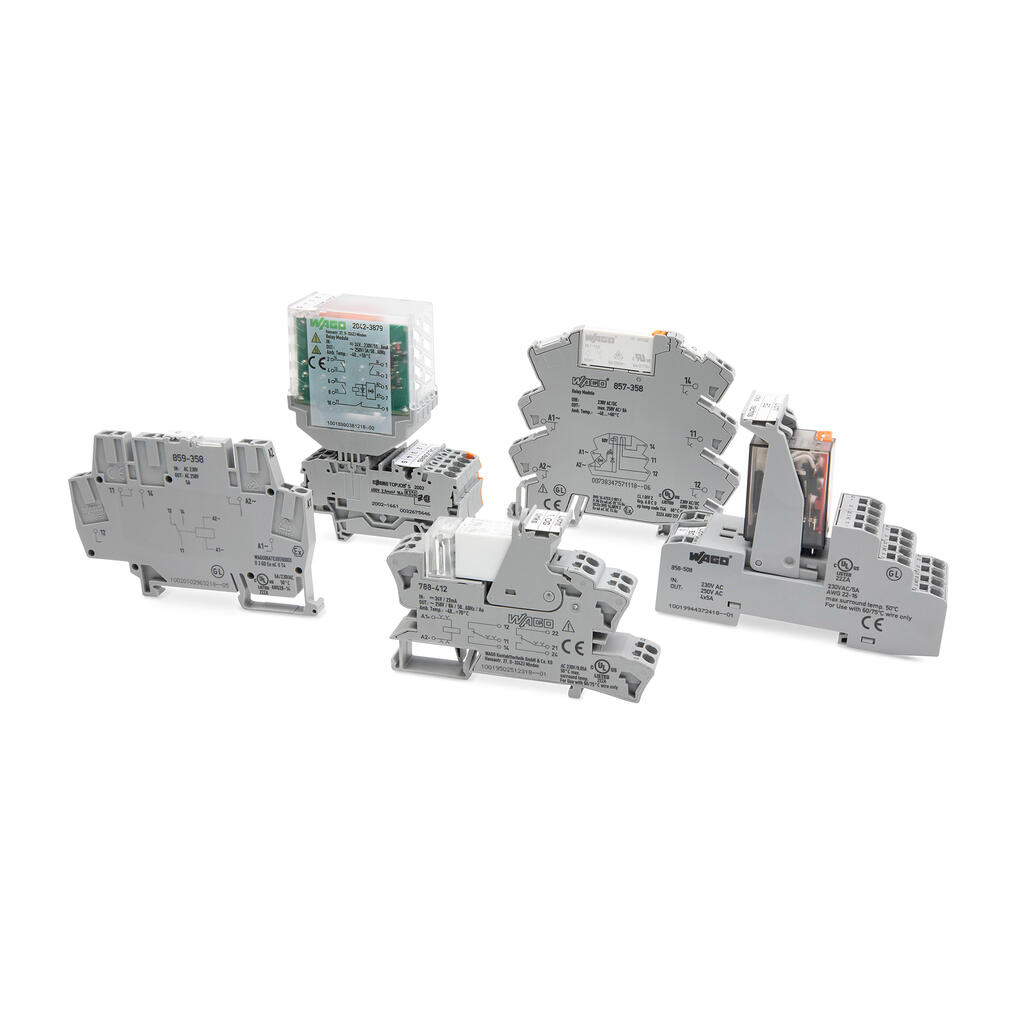
Modern buildings now demand smarter power distribution and complex automation systems. Traditional wiring methods struggle to keep up with these high requirements. Old screw terminals often lead to loose connections over time. They require significant installation hours and increase the risk of human error. Technicians experience frustration when they try to handle messy cable nests that exist in restricted work areas. The use of outdated methods results in both maintenance problems and safety risks.
The industry now demands a faster and more reliable approach. Advanced Electric Wire Connectors and integrated Power Supply Modules solve these old problems. They offer a modular way to build electrical systems. These tools ensure every connection stays tight and every device receives steady power. This shift marks a new era of efficiency in electrical design. It makes systems easier to build and much safer to operate.
What Are Electric Wire Connectors?
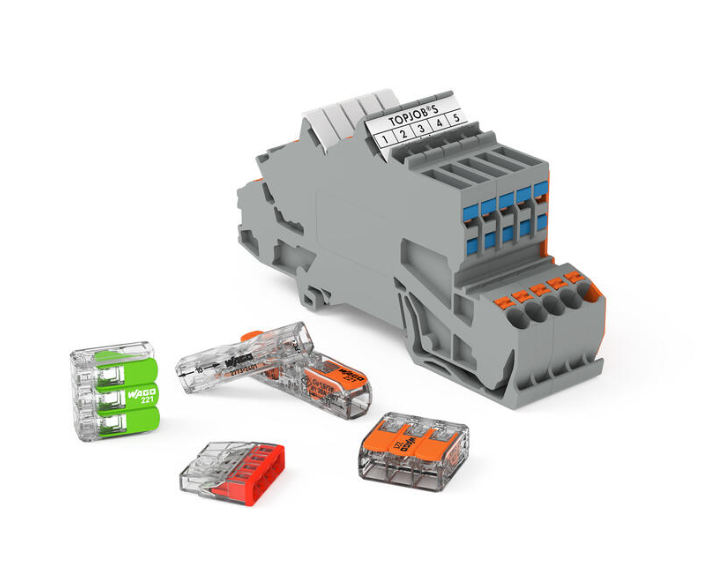
Electric Wire Connectors are electromechanical devices that join electrical conductors (wires) to create a secure, reliable, and often detachable path for electrical current. These are smart termination components designed for speed. They allow you to join conductors without using complex tools. You can find various types, like push-in or lever-based connectors. These designs create a secure grip on the wire instantly. High-quality electric wire connectors ensure long-term reliability by maintaining consistent conductivity, reducing connection failures, and minimizing maintenance in demanding electrical environments.
Why Professionals Love Tool-Free Connections
These connectors provide a huge advantage over traditional screws. They eliminate the risk of over-tightening or under-tightening. You simply insert the wire to get a perfect fit every time. This consistency ensures high safety standards across the entire project.
What Are Power Supply Modules?
Power Supply Modules are compact, integrated electronic circuits that convert, regulate, and manage electrical power directly on a printed circuit board (PCB). They act as the heart of modern electrical panels. They convert standard AC power into regulated DC energy. This conversion provides a stable voltage for sensitive control systems and sensors. These modules also include vital protection features. They guard against overloads and short circuits to prevent equipment damage.
Role of Electric Wire Connectors in Modern Installations
- Enable rapid and error-free wiring tasks
- Provide vibration-resistant joints that never loosen
- Maintain organized cable paths in crowded cabinets
- Allow for easy system expansion or quick repairs
These connectors make the physical layout much cleaner. Once the wiring is organized, you need a reliable energy source to drive the system.
Role of Power Supply Modules in Control Systems
- Deliver consistent power to automation devices
- Monitor system health through integrated features
- Allow efficient energy distribution within the panel
Key Drivers Behind Industry Adoption
Labor costs keep rising around the world, and companies require reduced installation time without compromising on quality. Compact cabinet designs also force a need for smaller components. Modular systems fulfill these needs by saving space and time.
The Growing Demand for Modular Design
Standardization is another major driver for this change. Industrial systems now require parts that fit together like building blocks. Recent data highlights the scale of this shift:
- The global connector market is projected to hit USD 91.31 billion in 2026
- Industrial power supply demand is set to reach USD 14.24 billion this year
Impact on Installation Efficiency and Lifecycle Costs
Switching to these advanced tools slashes commissioning time. You face a much lower risk of rework due to wiring errors. Stable power also means fewer device failures over the years. These factors lead to a much lower total cost of ownership.
Future Outlook of Electrical Installation Technologies
The future points toward total plug-and-play systems. Smart infrastructure will demand even more connected devices in our walls. Expect to see even smaller modules with higher energy efficiency. The shift toward maintenance-free living is just beginning.
FAQ’s
1. What are electric wire connectors used for in modern electrical installations?
Electric wire connectors join two or more electrical conductors quickly and safely without needing traditional tools.
2. How do electric wire connectors improve installation speed and reliability?
They use spring-pressure technology to create instant connections that reduce labor by up to 70%.
3. What is the role of power supply modules in control systems?
Power supply modules provide the exact DC voltage needed to run computers and sensors in a control panel.
4. How do power supply modules ensure the stable and safe operation of devices?
They filter the electricity and shut down automatically if they detect a short circuit.
5. Why are modern electrical systems shifting toward modular connectors and power supply solutions?
These solutions reduce labor costs and make the systems much easier to maintain over time.
 kunalagarwal
  somiljain
  umarkhan