
Whether you’re setting up a new laboratory or simply trying to understand how labs function, lab equipment and supplies play a crucial role in ensuring accuracy, safety, and efficiency. From basic tools like test tubes to advanced instruments, every item has a specific purpose that supports scientific work.In this article, we’ll break down the essentials in a simple, easy-to-understand way so you can get a clear picture of what makes a laboratory truly functional.
What Are Lab Equipment and Supplies?
Lab equipment and supplies refer to the tools, instruments, and materials used in scientific experiments, research, and testing. These can range from simple glassware to complex machines used in advanced analysis.While “equipment” typically refers to reusable tools like microscopes or centrifuges, “supplies” are often consumable items like gloves, chemicals, or test strips.Both are equally important in maintaining a smooth and productive lab environment.
Common Types of Lab Equipment
Laboratories rely on a wide variety of equipment, each designed for specific tasks. Here are some of the most commonly used ones:
Glassware
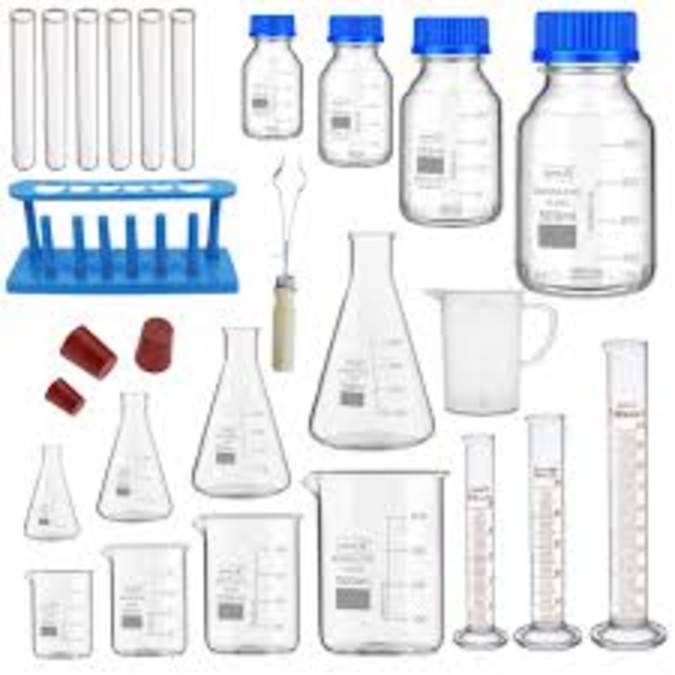
Glassware is one of the most basic categories of lab equipment and supplies. It includes items like beakers, flasks, test tubes, and pipettes. These are used for mixing, heating, and storing chemicals.Most lab glassware is made from special heat-resistant glass to handle extreme temperatures and chemical reactions.
Measuring Instruments
Accuracy is everything in a lab. Measuring tools such as balances, thermometers, and graduated cylinders help ensure precise results. Even small measurement errors can affect outcomes, so reliable instruments are essential.
Microscopes
Microscopes allow scientists to observe tiny details that are invisible to the naked eye. They are widely used in biology, medicine, and research labs.From simple optical microscopes to advanced digital ones, these tools are vital for studying cells, bacteria, and other microscopic elements.
Heating and Cooling Equipment
Many experiments require controlled temperatures. Equipment like Bunsen burners, hot plates, and incubators are used for heating, while refrigerators and freezers help preserve samples.Maintaining the right temperature is often critical to the success of an experiment.
Safety Equipment
Safety should never be overlooked in any lab. Essential safety supplies include gloves, goggles, lab coats, and fire extinguishers.These items protect users from chemical spills, burns, and harmful reactions, making them a fundamental part of any laboratory setup.
Essential Lab Supplies You Shouldn’t Ignore
While equipment gets a lot of attention, supplies are just as important for day-to-day operations.
Chemicals and Reagents
Chemicals are at the heart of most experiments. Reagents are substances used to cause reactions or test for specific elements. Proper storage and labeling are crucial to avoid accidents.
Disposable Items
Items like syringes, pipette tips, and test strips are designed for single use. These supplies help maintain hygiene and prevent contamination between experiments.
Cleaning Supplies
Keeping lab equipment clean is essential for accurate results. Cleaning agents, brushes, and sterilizers ensure that tools are free from residues that could affect experiments.
How to Choose the Right Lab Equipment and Supplies
Selecting the right lab equipment and supplies can feel overwhelming, especially with so many options available. Here are a few practical tips:
Understand Your Needs
Start by identifying the type of work you’ll be doing. A chemistry lab will have different requirements compared to a biology or medical lab.
Focus on Quality
High-quality equipment may cost more upfront but tends to last longer and provide more accurate results. Investing in reliable tools can save money in the long run.
Check Safety Standards
Always choose products that meet safety regulations. Certified equipment ensures better protection and compliance with industry standards.
Consider Maintenance
Some equipment requires regular calibration or servicing. Make sure you’re prepared for ongoing maintenance to keep everything running smoothly.
The Importance of Proper Storage and Organization
A well-organized lab is not just about neatness—it directly impacts efficiency and safety. Proper storage of lab equipment and supplies helps prevent damage, reduces the risk of accidents, and makes it easier to find what you need.Labeling shelves, storing chemicals in appropriate containers, and keeping frequently used items within reach can make a big difference in daily operations.
Trends in Modern Lab Equipment
Technology is constantly improving lab equipment and supplies. Many modern labs now use digital tools, automated systems, and smart devices to increase efficiency.For example, digital microscopes can connect to computers for real-time analysis, and automated pipetting systems reduce human error. These advancements are making labs faster, safer, and more accurate than ever before.
Conclusion
Lab equipment and supplies form the backbone of any scientific environment. From simple glassware to advanced instruments, each item plays a key role in ensuring accurate results and safe working conditions.By understanding the different types of equipment, choosing high-quality tools, and maintaining proper organization, you can create a lab that is both efficient and reliable. Whether you’re a student, researcher, or professional, having the right setup makes all the difference in achieving successful outcomes.
 oliviaroman
  Henry
Henry  elizaelanor