
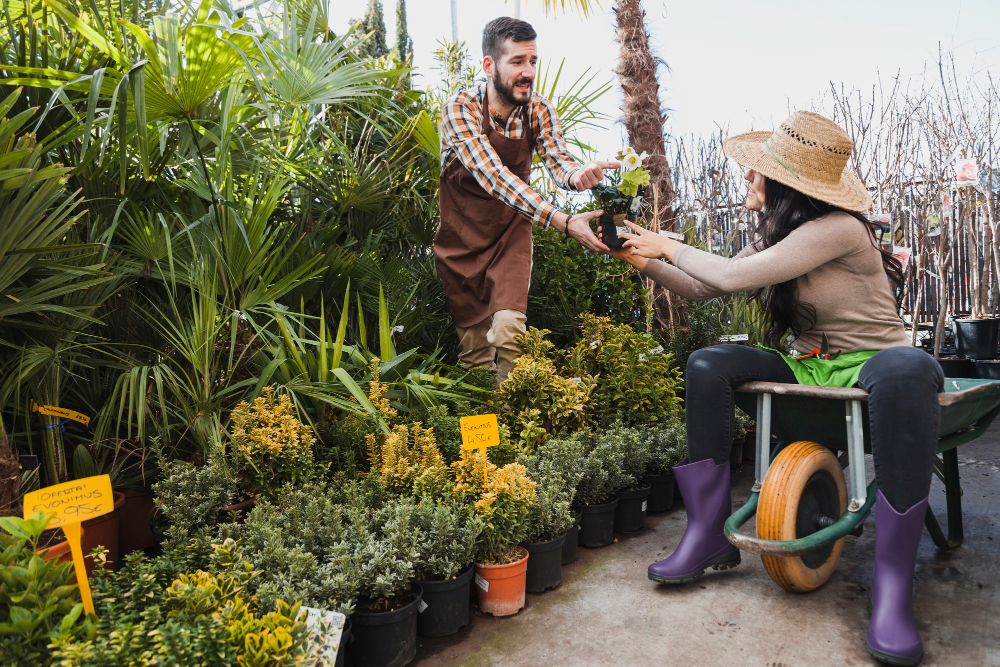
The biggest barrier to starting a garden isn’t knowledge, space, or money. It’s the feeling that gardening requires a level of experience and commitment that makes the first step feel overwhelming. There are too many variables, too many things that can go wrong, and too many opinions about the “right” way to do it.
But a functional, productive garden doesn’t require expertise. It requires a bed, some soil, a few plants, and water. Everything else is refinement that comes with time. The goal for a first garden isn’t perfection. It’s getting something in the ground this weekend and watching it grow.
Here’s how to go from zero to growing in 30 minutes.
Step 1: Pick the Simplest Bed Option (10 Minutes)
The fastest path to planting is a modular raised bed that assembles without tools. An easy raised garden bed with interlocking metal panels goes together in under ten minutes, sits directly on grass or patio, and creates a defined growing space without any construction, leveling, or carpentry.
Raised beds have a few built-in advantages for beginners. The soil is controlled from the start, so there’s no guessing about what’s in the ground. The height reduces bending. The edges create a clear boundary that makes the garden feel manageable rather than sprawling. And a modular design means the bed can be reconfigured or expanded later without starting over.
For beginners with a patio, balcony, or very small yard, a self watering planter box is an even faster option. No assembly beyond unboxing. Place it in a sunny spot, fill with potting mix, and plant. The built-in reservoir handles watering consistency, which removes the most common beginner failure point: irregular moisture.
Step 2: Fill It With the Right Mix (5 Minutes)
For a raised bed, a 60/40 blend of quality potting mix and compost fills the space with a growing medium that drains well, holds nutrients, and gives roots an easy environment to establish in. Avoid using native ground soil in a raised bed. It compacts, drains poorly, and often carries weed seeds.
For a planter box, straight potting mix works fine. It’s lighter than garden soil, drains freely through the reservoir system, and won’t compact the way heavier blends do in a confined container.
No amendments, no pH testing, no custom blending required for year one. The soil can be improved over time as experience builds.
Step 3: Plant Something Forgiving (10 Minutes)
The first garden should include plants that tolerate beginner mistakes: inconsistent watering, imperfect sun exposure, and the occasional forgotten week. These are the varieties that reward effort without punishing inexperience:
- Lettuce and salad greens: Fast germination, harvestable in 30 to 45 days, and forgiving of partial shade.
- Basil: Thrives in warm weather, produces continuously with regular harvesting, and visibly responds to care in a way that builds confidence.
- Cherry tomatoes: Productive, resilient, and satisfying to harvest. One plant produces dozens of fruits over a season.
- Mint: Nearly impossible to kill in a contained space. Grows fast, smells great, and provides an immediate sense of success.
- Marigolds: Low maintenance, pest-deterrent, and bright enough to make the garden look established from week one.
Plant seedlings rather than seeds for the first round. Seedlings skip the germination waiting period and give beginners a visible, growing plant from day one. The psychological difference between staring at bare soil for two weeks and watching an established plant grow is significant for first-time motivation.
Step 4: Water It Right (5 Minutes to Set Up)
Overwatering kills more beginner gardens than underwatering. The instinct is to water every day, but most raised bed plants prefer deep watering every two to three days rather than a light daily splash. Stick a finger into the soil up to the first knuckle. If it’s dry, water. If it’s still moist, wait.
For a self watering planter box, this step is even simpler. Fill the reservoir when it’s empty. The planter delivers moisture to the roots through capillary action, and the plant draws what it needs.
What Happens Next
The first harvest changes everything. The moment a gardener picks a tomato, cuts a handful of basil, or pulls a head of lettuce from a bed they planted themselves, the hobby stops feeling intimidating and starts feeling like something they want to keep doing. Vego Garden’s modular metal raised beds assemble in minutes without tools, and the self watering planter boxes handle moisture management automatically, making them the ideal starting point for first-time growers.
 oliviaroman
  Henry
Henry  elizaelanor