
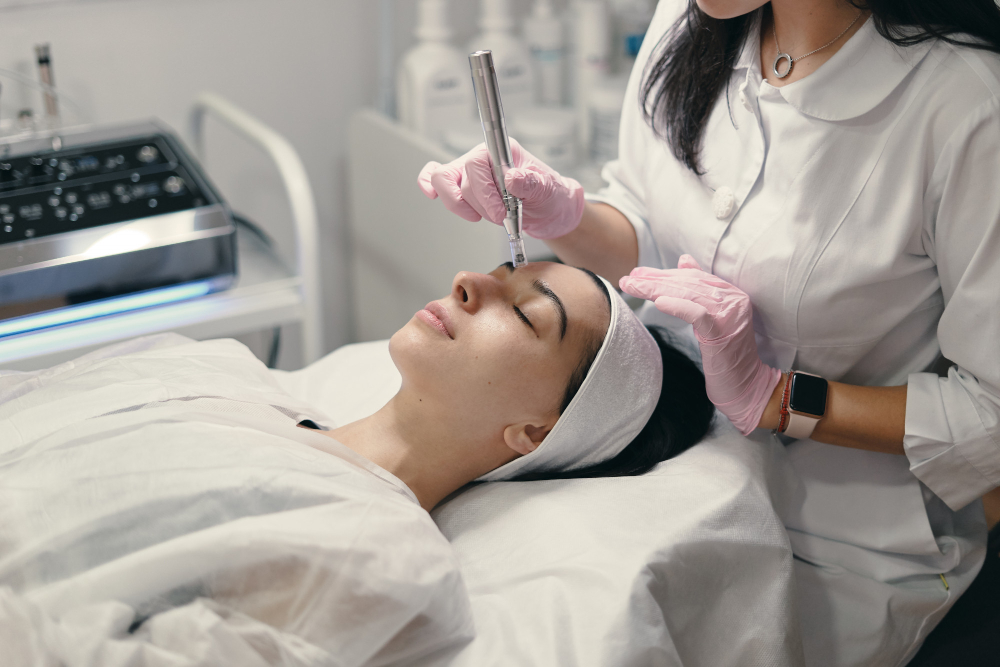
Effective skincare doesn’t end the moment you leave your appointment. In fact, the steps you take in the days following a rejuvenation procedure are just as critical as the treatment itself. When seeking Microneedling Abu Dhabi, understanding the physiological changes your skin undergoes will help you navigate the recovery phase with confidence and achieve the best possible glow.
- Treatment Synergy: Aftercare is the second half of the procedure; without it, the skin cannot repair itself efficiently.
- Healing Mechanisms: The process relies on the body’s natural ability to produce collagen in response to controlled micro-stimuli.
- Environmental Factors: External elements like sun and pollutants must be managed to allow the skin to focus entirely on regeneration.
Understanding the Skin’s Natural Recovery Process
To appreciate the necessity of specific aftercare, it is helpful to understand what is happening beneath the surface. Microneedling involves creating microscopic channels in the epidermis and dermis. These channels trigger a “wound healing response.” During the first 24 to 48 hours, your skin is in an active state of repair.
The Inflammatory Phase
Immediately following the session, the skin may appear flushed, similar to a mild sunburn. This is a sign that blood flow is increasing to the area, bringing with it the essential nutrients and growth factors required for tissue remodeling.
The Proliferative Phase
Within a few days, the body begins to synthesize new collagen and elastin fibers. This is the stage where the structural integrity of the skin begins to improve. Proper hydration during this phase ensures that the new cells have a healthy environment in which to develop.
Immediate Aftercare: The First 24 Hours
The first day is the most sensitive period for your skin. Because the micro-channels are still partially open, the skin’s natural barrier is temporarily compromised. The primary goal during this window is to keep the area clean and undisturbed.
Avoid Cleansers and Makeup
For at least the first 6 to 12 hours, it is generally recommended to avoid washing your face with traditional cleansers. Using only lukewarm water to gently rinse the face is often sufficient. Makeup should be strictly avoided, as the particles can settle into the micro-channels and lead to irritation.
Hands Off
It can be tempting to touch the skin to feel its texture or check for sensitivity, but this introduces bacteria. Ensure that anything coming into contact with your face—such as a clean pillowcase—is sanitized and soft.
- Barrier Protection: Prioritize keeping the skin “open” but clean from external contaminants.
- Minimalism: The fewer products used in the first 24 hours, the better the skin can breathe and begin its repair.
- Hydration: Focus on internal hydration by drinking plenty of water to support cellular function.
Days 2 through 5: The Hydration Focus
Once the initial redness begins to subside, your skin may start to feel tight or dry. This is a completely normal part of the process as the old layers of skin prepare to make way for the new.
Choosing the Right Moisturizer
During this period, use a gentle, fragrance-free moisturizer. Look for ingredients like hyaluronic acid, which can hold a significant amount of moisture without clogging pores. Avoid products containing “active” ingredients like Retinol, Vitamin C, or exfoliating acids (AHA/BHAs), as these can be too aggressive for the recovering tissue.
Sun Protection is Mandatory
The new skin being produced is incredibly sensitive to ultraviolet radiation. Even if you are indoors or in a shaded environment, a high-quality, broad-spectrum sunscreen should be applied daily. Physical sunscreens containing zinc oxide or titanium dioxide are often preferred during this time as they sit on top of the skin rather than being absorbed.
Cleaning and Hygiene Protocols
Maintaining a sterile environment for your skin is paramount until the barrier is fully restored. This involves more than just washing your face; it extends to your daily habits and the items you use.
Gentle Cleansing
By day two, you can usually reintroduce a mild, non-exfoliating cleanser. Use your fingertips only—avoid washcloths or silicone brushes, which can be too abrasive. Pat the skin dry with a clean, soft towel rather than rubbing.
Environment and Accessories
- Pillowcases: Switch to a silk or high-thread-count cotton pillowcase and change it every other day during the first week.
- Phones: Sanitize your mobile phone screen regularly, as it frequently comes into contact with your cheeks.
- Hair: Keep hair tied back away from the face to prevent oils and hair products from irritating the skin.
Activity Restrictions and Lifestyle Adjustments
While there is typically no significant downtime, certain lifestyle choices can impact the speed and quality of your results.
Sweating and Exercise
Strenuous exercise that leads to heavy sweating should be avoided for at least 72 hours. Sweat contains bacteria and salts that can irritate the micro-channels. Furthermore, increased body temperature can prolong the redness and swelling associated with the inflammatory phase.
Heat Exposure
Avoid saunas, steam rooms, and excessively hot showers. High heat causes vasodilation (the widening of blood vessels), which can exacerbate sensitivity and slow down the settling process of the skin.
- Rest: Allow the body to direct its energy toward skin repair by getting adequate sleep.
- Diet: Consuming antioxidant-rich foods can provide the vitamins necessary for collagen synthesis.
- Patience: Do not pick at any flaking skin. Let the dead skin shed naturally to avoid scarring or uneven tone.
Long-Term Maintenance for Lasting Results
After the first week, your skin will likely feel back to normal, but the deeper remodeling is still ongoing. This is the time to transition back into a regular routine while still being mindful of the progress made.
Gradual Reintroduction of Actives
Wait at least 7 to 10 days before bringing back your serums and anti-aging creams. Introduce them one at a time to ensure your skin does not react negatively. Continued use of Vitamin C during this phase can actually be beneficial for brightening, once the skin is no longer “open.”
Consistent Sun Safety
The benefits of skin rejuvenation can be quickly undone by sun damage. Make sunscreen a non-negotiable part of your morning routine to protect your investment and maintain the clarity and firmness of your complexion.
Summary of Best Practices
To maximize the benefits of your treatment, adhere to a philosophy of “protection and hydration.” The goal is to support the body’s innate healing intelligence without interference.
- Primary Goal: Protect the skin barrier while it is vulnerable.
- Secondary Goal: Provide the building blocks (hydration/nutrients) for new collagen.
- Final Goal: Preserve the results through long-term sun protection and healthy habits.
Frequently Asked Questions
When can I resume my normal makeup routine?
It is generally recommended to wait at least 24 to 48 hours before applying makeup. This allows the micro-channels to close sufficiently, reducing the risk of irritation or congestion. When you do start again, ensure your brushes and sponges are thoroughly cleaned.
Is it normal for my skin to feel dry or peel?
Yes, mild dryness or “micro-peeling” is a common part of the rejuvenation process. It indicates that cellular turnover is occurring. Do not use scrubs or chemical peels to remove this skin; instead, apply a rich, bland moisturizer to soothe the area.
Can I go swimming after the procedure?
Swimming in chlorinated pools or the ocean should be avoided for at least one week. Chlorine can be highly drying and irritating to compromised skin, while open bodies of water may harbor bacteria that increase the risk of surface issues.
How soon will I see the final results of the treatment?
While you may notice a “glow” within the first week, the true results of collagen induction therapy typically take 4 to 6 weeks to manifest. This is the time required for the body to produce new structural proteins and for them to integrate into the skin matrix.
 logibrisk
  Casanova