
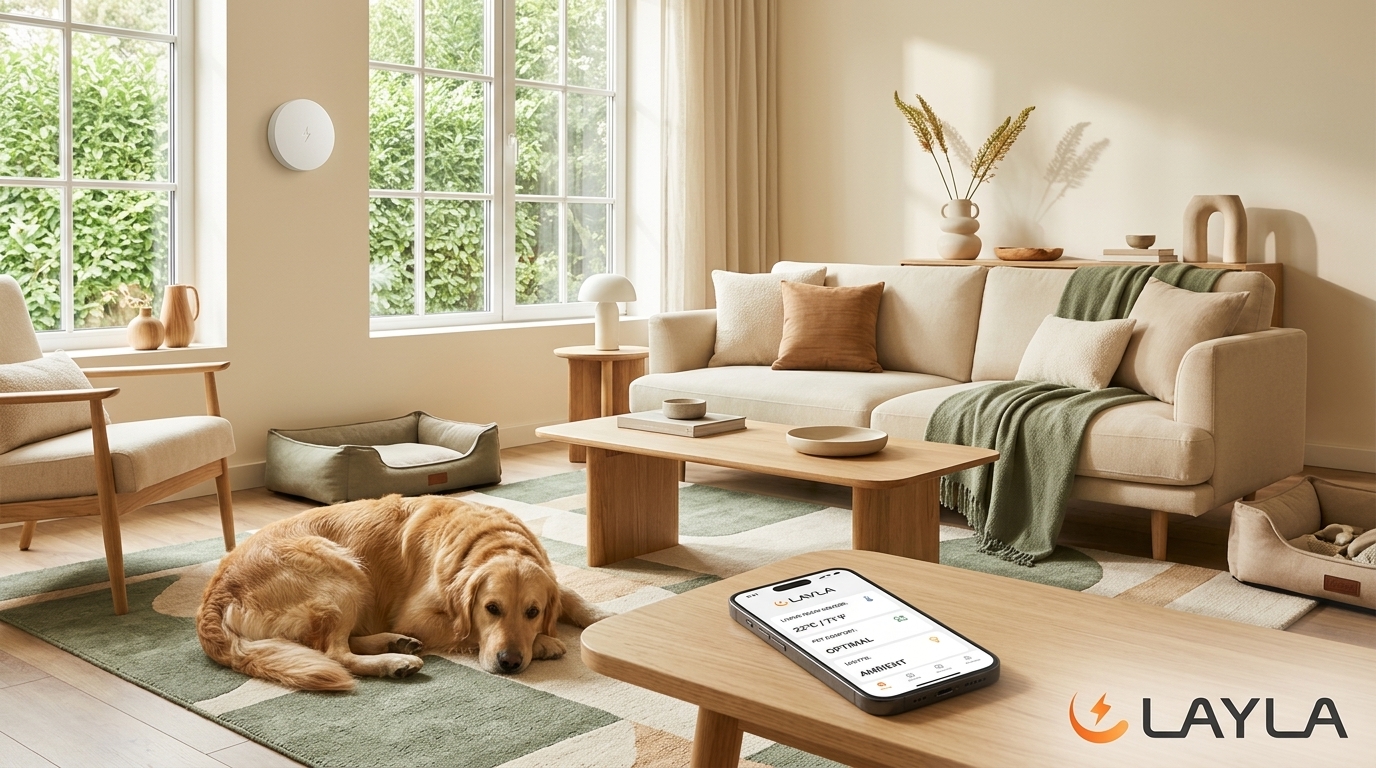
Why Pet-Friendly Hosting Is Both Lucrative and Risky
Pet-friendly vacation rentals occupy a specific market position that combines higher revenue potential with elevated risk. A growing share of travelers consider their pets family members and refuse to leave them behind during vacations. Properties that welcome pets capture this segment and often command premium rates, particularly in destinations where pet-friendly options are scarce. Hosts who position their properties for pet families often see strong booking demand, longer average stays, and meaningful pricing flexibility. The economics can be genuinely attractive.
The risks are also genuine. Pets can damage furniture, flooring, and walls in ways that human guests rarely do. Pet odors can persist beyond a single cleaning. Allergic guests at subsequent stays may react to traces of previous animal occupants. Excessive barking can produce neighbor complaints. Untrained or unsupervised pets sometimes cause more damage than the security deposit covers. Hosts who welcome pets need a strategy for capturing the booking premium while protecting against the elevated risk profile, and smart sensors are an underrated component of that strategy.
What Smart Sensors Actually Detect About Pet Activity
Smart sensors do not specifically identify pets, but they do detect environmental signatures that correlate with pet activity. Continuous noise monitoring picks up barking patterns that often precede neighbor complaints. Occupancy detection notes activity patterns that may include pets moving through different rooms during the day. Air quality monitoring tracks particulate matter that rises with pet dander and movement. Temperature and humidity readings document environmental conditions that affect both pet comfort and property condition. Each of these data streams provides indirect insight into pet activity without invasively monitoring the animals themselves.
The privacy-respecting nature of this monitoring is genuinely important. Some hosts have considered cameras specifically to monitor pet behavior, but this approach raises the same privacy concerns as cameras for human guests, often more so because guests with pets are also more likely to be in private spaces with their animals during the day. Privacy-first sensors give hosts the awareness they need without crossing the privacy line. The Layla all-in-one sensor provides this balanced approach for pet-friendly hosts who want protection without surveillance.
Noise Monitoring for Barking Patterns
Excessive barking is one of the most common neighbor complaints from pet-friendly rentals, particularly in dense urban areas, condo buildings, and quiet residential neighborhoods. The barking usually happens when pets are left alone for extended periods or when they react to environmental triggers like delivery trucks, other animals, or unfamiliar sounds. Hosts who do not monitor noise often discover barking complaints only after the platform receives them or after neighbors confront the host directly, both of which are uncomfortable late-stage discoveries.
Continuous noise monitoring catches barking patterns early enough to address them. A sensor detecting sustained elevated decibel levels during periods when the host knows guests are out can prompt a friendly message to the guest about pet management. Most pet-owning guests respond positively to this kind of proactive communication because they want their pets to be welcomed at future bookings. The conversation is far easier when initiated by the host with environmental data than when forced after a neighbor complaint has already escalated to the platform.
Air Quality Concerns Specific to Pet Properties
Air quality in pet-friendly rentals deserves more attention than hosts typically give it. Pet dander, fur, and natural pet odors all contribute to particulate matter and volatile organic compound levels in indoor air. Most healthy guests are not noticeably affected, but guests with allergies or respiratory sensitivities may react significantly. The reaction sometimes appears as a poor review citing musty smells or air quality without specifically identifying the underlying cause. Hosts who understand the pattern can address it proactively through monitoring and ventilation.
Continuous air quality monitoring helps in two specific ways. First, it identifies when air quality drops between guest stays, allowing cleaning teams to address ventilation, filter changes, or deep cleaning before the next arrival. Second, it documents air quality during stays, which protects hosts against unjustified complaints by demonstrating that conditions remained within normal ranges. The dual benefit makes air quality monitoring particularly valuable for pet-friendly properties where the issue arises more often than in pet-free units.
Damage Prevention Through Early Warning
Pet-related property damage often follows a recognizable pattern. The damage starts small and accumulates over multiple stays before becoming severe enough to require major repair. A few minor scratches on a door frame become deep gouges. A small carpet stain becomes a permanent discoloration. A faintly chewed corner of a couch becomes a destroyed piece of furniture. Hosts who only inspect properties between long gaps tend to miss these accumulation patterns and discover damage only when it has already become expensive.
Sensors do not directly detect pet damage, but they do detect related conditions that correlate with destructive pet behavior. Sustained noise patterns suggesting an anxious pet alone in the property warrant follow-up. Unusual occupancy patterns showing the pet active in unexpected areas may indicate the pet is exploring spaces guests should be supervising. Temperature readings indicating that guests are leaving the unit at extreme settings suggest stressed pets without proper climate control. Each of these signals supports earlier guest communication that often prevents damage before it occurs. Layla’s pet-friendly monitoring approach helps hosts catch these patterns proactively.
House Rules That Sensors Help Enforce
Most pet-friendly properties have specific house rules around pet behavior, including requirements about not leaving pets alone for extended periods, keeping pets off certain furniture, and maintaining reasonable noise levels. These rules are easy to write but historically difficult to enforce because hosts have no way to know if they are being followed. Sensors change this dynamic by providing environmental evidence of rule compliance without invading guest privacy.
A house rule limiting pets to certain rooms can be informally supported by occupancy data showing where activity is concentrated. A house rule about not leaving pets alone overnight can be checked through occupancy patterns. A noise rule can be enforced through decibel monitoring. None of these mechanisms perfectly enforce rules, but all of them give hosts the awareness needed to have informed conversations with guests when rules are not being followed. Most guests respect rules more carefully when they know the host has some way of noticing violations, even when the monitoring is environmental rather than direct.
Building Trust With Pet-Owning Guests
Despite the focus on protection and rule enforcement, pet-friendly hosts succeed when they build genuine trust with pet-owning guests. Most guests who travel with pets are conscientious owners who care deeply about their animals and respect properties that welcome them. The exceptions exist but are a minority. The majority of pet guests want clear expectations, reasonable rules, and a property where their animals can comfortably stay alongside them.
Smart sensor monitoring supports this trust when communicated honestly. Hosts who include sensor information in their listing description, explain that the sensors are camera-free and privacy-respecting, and frame the monitoring as protection for both the property and the guest experience tend to attract pet owners who appreciate the structure. The hosts who succeed in this market segment usually combine clear policies, fair pricing for pet stays, genuine welcome rather than reluctant acceptance, and the kind of monitoring that catches problems early enough to prevent escalation. The combination produces sustainable pet-friendly hosting that benefits everyone involved.
Frequently Asked Questions
Q1: Do smart sensors specifically identify pets?
A: No. Sensors detect environmental conditions like noise, motion, and air quality that correlate with pet activity, but they do not identify or track specific animals.
Q2: Can sensors help with neighbor complaints about barking?
A: Yes. Continuous noise monitoring identifies sustained barking patterns early enough for hosts to communicate with guests before neighbors file complaints.
Q3: How do sensors help with pet odor and air quality issues?
A: Air quality monitoring identifies when particulate and VOC levels rise, allowing extra cleaning attention or ventilation improvements before the next guest arrives.
Q4: Should I tell pet-owning guests about the sensors?
A: Yes. Transparent communication about camera-free environmental monitoring builds trust with conscientious pet owners and clarifies expectations.
Q5: Does Layla work for pet-friendly hosts in apartment buildings? A: Yes. Layla’s privacy-first sensors are particularly valuable in dense settings where barking and air quality issues most often produce neighbor and guest concerns.

 johnmiller
  Henry
Henry