
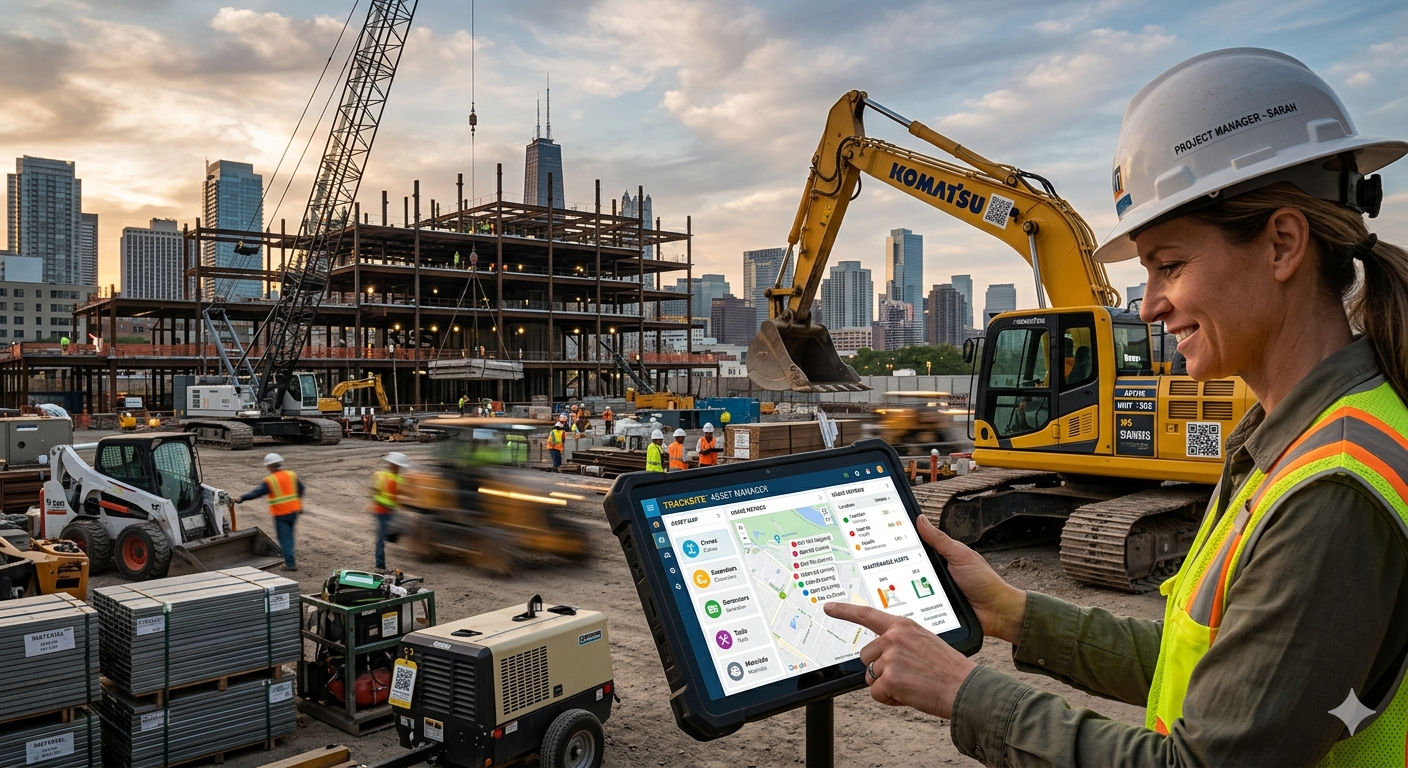
In today’s fast-paced construction industry, managing assets efficiently is more important than ever. Construction projects are becoming increasingly complex, involving multiple job sites, thousands of assets, and tight deadlines. Without a reliable system to track everything, managing equipment, tools, and materials can become a logistical nightmare.
This is where construction asset tracking software steps in. With the ability to track, monitor, and manage all assets in real-time, this software is becoming an indispensable tool for modern construction projects. It provides project managers and business owners with full visibility into their assets, helping them reduce costs, improve efficiency, and keep projects on track.
In this article, we will explore why asset tracking software is essential for modern construction projects and how it can help streamline operations, improve accountability, and save money.
The Challenges of Managing Construction Assets
Managing construction assets can be overwhelming, especially when you consider the vast number of tools and machines required for large projects. A typical construction site may have hundreds, if not thousands, of assets, ranging from heavy machinery to hand tools, all of which need to be tracked and maintained.
Common challenges in asset management:
- Lost or misplaced equipment: On busy job sites, tools and machinery can easily get misplaced or left behind.
- Inefficient tracking: Without a centralized system, tracking assets manually or using paper records is time-consuming and prone to errors.
- Unaccounted downtime: Equipment downtime due to lack of maintenance or mishandling can lead to delays and increased costs.
- Theft and vandalism: Construction sites are common targets for theft, and valuable assets are often stolen without proper tracking.
With the right system in place, these challenges can be addressed efficiently, allowing construction teams to focus on what matters most completing projects on time and on budget.
How Construction Asset Tracking Software Works
Construction asset tracking software uses GPS, RFID, or barcode technology to track equipment, tools, and materials in real-time. These systems provide a detailed, up-to-date record of where each asset is located, who is using it, and its current condition.
By integrating asset tracking software with other construction management tools, companies can centralize all asset data, improving communication between teams and departments. The software often includes dashboards that offer an overview of asset status, usage history, and maintenance schedules.
Core features of construction asset tracking software:
- Real-time GPS tracking: Tracks the exact location of equipment and materials, whether on-site or in transit.
- RFID/barcode scanning: Allows quick and easy scanning of assets to update their location and status.
- Asset history: Provides a complete record of when and where equipment was used, including maintenance and repair history.
- Maintenance tracking: Automatically schedules maintenance tasks based on usage or time intervals to keep assets in optimal condition.
- Alerts and notifications: Sends alerts for maintenance due dates, misplaced assets, or other issues requiring attention.
With these features, construction teams can keep track of everything from small hand tools to large cranes, ensuring that assets are always where they need to be.
Key Benefits of Asset Tracking Software for Construction Projects
1. Improved Asset Visibility and Control
One of the most significant advantages of construction asset tracking software is the visibility it provides into asset location and usage. Real-time data allows project managers to see exactly where their equipment and tools are, reducing the time spent searching for misplaced items and preventing losses.
Whether equipment is in use on a different job site or sitting idle in the warehouse, tracking software keeps managers informed about asset status and location at all times. This level of transparency ensures that resources are used efficiently, and no equipment is left unused for too long.
2. Reduced Equipment Downtime
Unscheduled downtime is a major source of project delays and unexpected costs. Equipment that is left unmonitored or improperly maintained is more likely to break down at crucial moments.
Asset tracking software helps reduce downtime by monitoring the health of machinery in real-time and sending automated alerts for scheduled maintenance. Predictive maintenance capabilities allow teams to address potential issues before they result in equipment failure, ensuring that machines remain in service longer.
3. Better Resource Allocation
In construction, the timely allocation of resources is crucial to meeting deadlines. When equipment is underutilized or not available when needed, it leads to delays, increased rental costs, and inefficiency.
With asset tracking software, project managers can easily see which machines are in use, which are idle, and where there may be a need for additional equipment. This helps ensure that machinery is allocated effectively, reducing rental costs and preventing over-purchasing of equipment.
4. Improved Security and Theft Prevention
Construction sites are often targets for theft, and valuable equipment can be stolen quickly if it’s not properly monitored. Construction asset tracking software uses GPS or RFID technology to track the exact location of each piece of equipment, helping prevent theft and vandalism.
If equipment is moved without authorization or taken off-site, the software sends real-time alerts to the project manager. This quick response allows for faster action and reduces the risk of theft. In the event of theft, the software’s tracking system provides the necessary data to help recover the equipment.
5. Streamlined Maintenance and Repairs
Regular maintenance is critical to keeping equipment in good working condition. However, manually tracking maintenance schedules can be time-consuming and prone to error.
With asset tracking software, maintenance schedules are automated based on the equipment’s usage or time intervals. The software sends reminders when maintenance is due, helping avoid missed checks and costly repairs. It also keeps a complete history of all maintenance activities, making it easier to track recurring issues and determine if it’s more cost-effective to replace equipment instead of continually repairing it.
6. Data-Driven Decision Making
Construction asset tracking software provides detailed reports and analytics on equipment usage, performance, and costs. With this data, project managers can make informed decisions about which assets to invest in, which ones to replace, and how to better allocate resources across job sites.
The software also helps track the total cost of ownership for each piece of equipment, factoring in purchase price, maintenance costs, fuel consumption, and repair costs. This information provides insight into which machines offer the best value and how to optimize the equipment fleet for maximum efficiency.
7. Easier Compliance and Documentation
Construction projects often need to comply with various regulations and safety standards. Asset tracking software helps maintain proper documentation by keeping detailed records of all equipment, including maintenance schedules, inspection reports, and certifications.
Having all this information in one place ensures that companies can meet regulatory requirements and pass inspections without hassle. It also reduces the administrative burden of managing compliance manually.
Conclusion
Construction asset tracking software is a game-changer for managing assets across job sites. By offering real-time visibility, reducing downtime, and streamlining maintenance and repairs, this software helps construction companies optimize their operations, reduce costs, and improve productivity.
With the right system in place, companies can efficiently track equipment, prevent theft, allocate resources effectively, and make data-driven decisions that enhance the overall success of their projects. As construction projects grow in complexity and scale, having a reliable asset tracking solution is essential for staying competitive in a rapidly evolving industry.
 glennprior
  addisonjons