
Running a school has never been simple. Between admissions, attendance, fee collection, timetable management, parent communication, examinations, and staff coordination, school administrators juggle dozens of responsibilities every day. For many institutions, traditional administrative methods—paper files, spreadsheets, and manual processes—have been the norm for decades. But as schools grow and expectations rise, these older systems often struggle to keep pace.
This is where a School management system becomes essential. Modern schools need tools that reduce administrative burden, improve communication, and create a better experience for students, parents, teachers, and administrators alike.
So, when comparing a School management system with traditional administration, which is better? The answer depends on what your school values most: efficiency, accuracy, scalability, and long-term growth.
Understanding Traditional School Administration
Traditional administration relies heavily on manual processes. Student records are often stored in physical files. Attendance may be recorded in registers. Fee collection can involve paper receipts and in-person transactions. Communication with parents usually happens through printed notices, phone calls, or occasional meetings.
While this approach may feel familiar, it comes with significant challenges:
- Time-consuming paperwork
- Higher risk of human error
- Difficulty accessing records quickly
- Limited transparency for parents and staff
- Delayed communication
- Increased operational costs over time
For small schools with limited student populations, these methods may seem manageable. However, as enrollment increases, manual administration often becomes inefficient and difficult to sustain.
The Real Problems Schools Face Today
School leaders are under increasing pressure to deliver more with fewer resources. Parents expect real-time updates. Teachers need streamlined workflows. Administrators require accurate data for better decision-making.
Common challenges include:
- Lost or misplaced student records
- Delays in fee collection and reporting
- Inefficient attendance tracking
- Communication gaps between school and parents
- Difficulty generating reports for compliance and planning
- Excessive administrative workload for staff
These issues don’t just affect operations—they impact the overall educational experience.
How a School management system Solves These Challenges
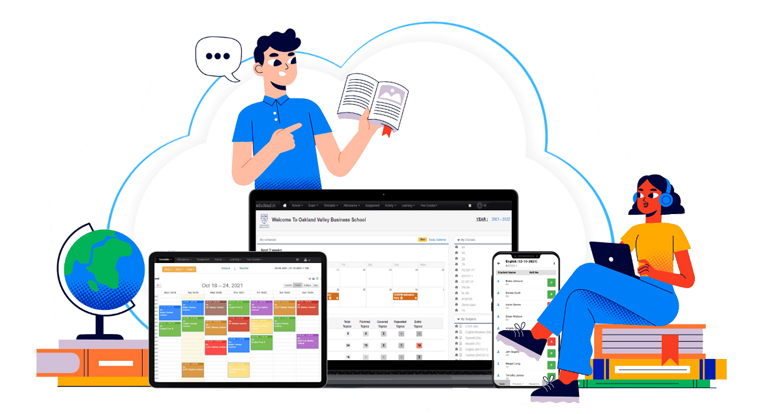
A School management system centralizes all school operations into one integrated platform. Instead of relying on disconnected manual processes, schools can manage everything digitally from a single dashboard.
Key features typically include:
- Student information management
- Attendance tracking
- Fee management and online payments
- Examination and grading systems
- Timetable scheduling
- Staff and payroll management
- Parent-teacher communication portals
- Transport and library management
- Custom reporting and analytics
This unified approach saves time, reduces errors, and improves collaboration across the institution.
School Management System vs Traditional Administration: A Practical Comparison
1. Efficiency
Traditional administration often requires repetitive manual tasks. Entering data multiple times, searching through files, and preparing reports can consume hours.
A School management system automates routine processes, allowing staff to focus on higher-value responsibilities. Tasks that once took hours can be completed in minutes.
Read more here
2. Accuracy
Manual data entry increases the likelihood of errors. Even minor mistakes in attendance, fees, or academic records can create significant problems.
With a School management system, data is entered once and updated in real time, minimizing inaccuracies and ensuring consistency.
3. Accessibility
Paper records and local spreadsheets are often difficult to access, especially when information is needed urgently.
A cloud-based School management system allows authorized users to access information anytime, anywhere.
4. Communication
Traditional communication methods are often slow and unreliable.
A School management system enables instant notifications, announcements, and updates via mobile apps, email, or SMS. Parents stay informed, and schools build stronger relationships with families.
5. Scalability
As schools grow, manual systems become increasingly complex.
A School management system grows with your institution, supporting expanding student populations, additional campuses, and evolving administrative needs.
Why Schools Are Moving Toward Digital Transformation
Educational institutions worldwide are embracing technology not because it is trendy, but because it solves real operational challenges.
A School management system helps schools:
- Reduce administrative costs
- Improve staff productivity
- Enhance parent satisfaction
- Increase data security
- Support informed decision-making
- Deliver a better educational experience
In an increasingly competitive education landscape, schools that modernize their operations are better positioned for long-term success.
Is Traditional Administration Still Relevant?
Traditional methods may still have a place in certain situations, particularly in very small institutions with limited budgets or minimal operational complexity. However, relying solely on manual systems can create bottlenecks that hinder growth and efficiency.
The reality is that today’s educational environment demands agility, transparency, and responsiveness. Manual administration often cannot meet these expectations effectively.
Choosing the Right School Management System
Not all software solutions are created equal. Schools should look for a platform that is easy to use, scalable, secure, and tailored to the unique needs of educational institutions.
Important factors to consider include:
- User-friendly interface
- Comprehensive feature set
- Mobile accessibility
- Reliable customer support
- Data security and compliance
- Customization options
- Seamless implementation process
Why eSchool Is the Smart Choice
If you’re looking for a reliable and comprehensive School management system, eSchool stands out as an ideal solution.
Designed specifically for modern educational institutions, eSchool helps schools simplify operations, improve communication, and enhance overall efficiency.
With eSchool, you can:
- Automate administrative workflows
- Manage admissions, attendance, and fees effortlessly
- Communicate instantly with parents and staff
- Access real-time reports and analytics
- Improve transparency across all operations
- Scale confidently as your institution grows
Whether you run a school, college, academy, or educational network, eSchool provides the tools you need to operate smarter and serve your community better.
Final Verdict: Which Is Better?
When comparing a School management system to traditional administration, the advantages are clear. While traditional methods may offer familiarity, they often fall short in today’s fast-paced educational environment.
A School management system delivers greater efficiency, accuracy, accessibility, and scalability. It empowers schools to reduce administrative stress, improve stakeholder communication, and focus on what matters most: student success.
For institutions ready to modernize, investing in the right technology is no longer optional—it’s essential.
eSchool offers a powerful, user-friendly solution that helps schools transition from outdated administrative practices to a smarter, more connected future.
If your school is ready to save time, reduce errors, and improve operational excellence, now is the perfect time to explore what eSchool can do for you.

 rituivf
  alypackagingUK