
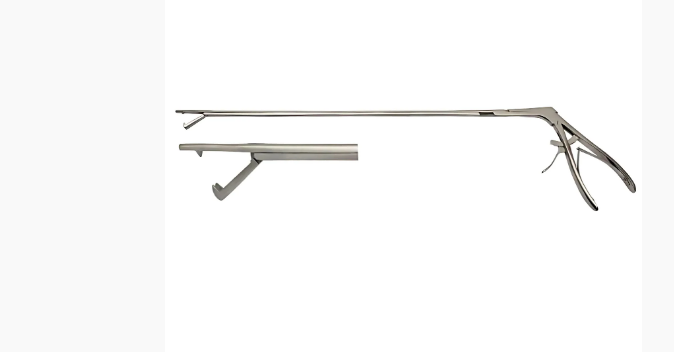
Forceps are among the most important tools used in both medical and veterinary practices. Known for their precision and control forceps play a critical role in handling tissues, extracting objects, and performing delicate procedures. In equine care, they are especially valuable in dental and surgical applications where accuracy is essential.
What Are Forceps?
Forceps are handheld, hinged instruments designed to grasp, hold, or manipulate objects. They typically consist of two arms joined at a pivot point, allowing controlled pressure and movement.
Depending on their design and purpose, forceps can be used for:
- Holding tissues during procedures
- Extracting teeth or foreign objects
- Clamping blood vessels
- Assisting in surgical operations
Their versatility makes them indispensable in both human and veterinary medicine.
Types of Forceps
Forceps come in various types, each designed for a specific function. Understanding these variations helps professionals choose the right tool for the task.
Extraction Forceps
These are commonly used in dental procedures to remove teeth. In equine dentistry, they are specially designed to handle large and strong horse teeth.
Tissue Forceps
Tissue forceps are used to hold or stabilize soft tissues during surgical procedures. They provide a firm grip without causing excessive damage.
Hemostatic Forceps
Also known as clamps, these are used to control bleeding by clamping blood vessels. They are essential in surgical settings.
Dressing Forceps
These are used for handling dressings, cotton, or gauze during wound care and cleaning procedures.
Importance of Forceps in Equine Dentistry
In equine dental care, forceps are crucial for procedures such as tooth extraction and oral examinations. Horses have large, deeply rooted teeth, making specialized forceps necessary for safe and effective removal.
Using the right forceps ensures:
- Controlled extraction with minimal trauma
- Reduced risk of complications
- Improved safety for both horse and practitioner
- Efficient completion of procedures
Proper handling and technique are essential when working with equine dental forceps.
Key Features of High-Quality Forceps
When selecting forceps, professionals should look for the following features:
- Strong and durable construction
- Corrosion-resistant material (such as stainless steel)
- Comfortable grip for better control
- Precision-aligned tips for accuracy
- Easy sterilization for hygiene
High-quality forceps not only improve performance but also enhance safety during procedures.
Proper Care and Maintenance
Maintaining forceps is essential to ensure long-term usability and effectiveness.
Best practices include:
- Cleaning thoroughly after each use
- Sterilizing to prevent contamination
- Inspecting joints and tips regularly
- Storing in a dry and organized environment
Well-maintained tools perform better and reduce the risk of procedural errors.
Safety Considerations
Using forceps requires proper training and caution. Incorrect use can lead to tissue damage or complications.
Important safety tips:
- Apply controlled pressure to avoid injury
- Use the correct type of forceps for each procedure
- Ensure tools are sharp and properly aligned
- Follow sterilization protocols strictly
Safety is especially important in equine procedures, where handling large animals adds complexity.
Conclusion
Forceps are essential instruments that provide precision, control, and versatility in both medical and equine practices. From dental extractions to surgical procedures, their role is vital in ensuring safe and effective outcomes.
By choosing high-quality forceps and maintaining them properly, professionals can enhance their efficiency and deliver better care across a wide range of applications.
 Lavishcars